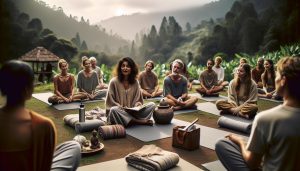
Preparing for a yoga retreat is an enriching experience that supports both personal growth and well-being. As you embark on this journey, bringing the right mindset, physical readiness, and emotional balance is crucial. Did you know that most travelers report feeling rejuvenated and more centered after a retreat? This highlights the importance of preparing effectively to maximize your experience. Whether you’re seeking relaxation, deepening your practice, or connecting with like-minded individuals, a well-planned approach can make all the difference. In this checklist, we’ll explore essential tips to nurture your mind, body, and soul, ensuring you arrive ready to embrace the transformative journey ahead. Get ready to unlock the full potential of your yoga retreat experience!
Choosing the Right Yoga Retreat for You
Choosing the right yoga retreat can profoundly influence your experience and overall well-being during your time away. With countless options available, it’s essential to consider various factors to ensure you select a retreat that aligns with your personal goals, preferences, and lifestyle.
Start by identifying your primary intentions for attending the retreat. Are you looking to deepen your yoga practice, find a space for relaxation and rejuvenation, or perhaps connect with nature? Your goals will guide you in selecting a retreat that meets your needs, whether it offers structured daily yoga sessions, workshops, meditation, or holistic wellness practices.
When exploring potential retreats, pay attention to the retreat location. Whether it’s a tranquil beach, serene mountains, or a rustic countryside, the setting can greatly impact your experience. Research the amenities provided, such as accommodations, food options, and accessibility to local attractions. Reading reviews from past participants can also give you insight into the atmosphere and community of the retreat.
Another crucial aspect is the retreat leader or instructor. Look for someone whose teaching style resonates with you, and who has the credentials and experience to enhance your journey. Many retreats include detailed descriptions of the instructors’ backgrounds, so take the time to explore these profiles.
Lastly, consider the duration and structure of the retreat. Some may span a weekend, while others last a week or longer. Determine how much time you can dedicate and choose a format that will not only fit your schedule but also provide enough opportunity for you to immerse yourself in the practice fully.
In summary, choosing the right yoga retreat involves a blend of self-reflection, research, and prioritizing your wellness goals to find the perfect fit.
Essential Packing List for Your Retreat
Preparing for a yoga retreat involves not just packing your bags, but also equipping yourself with what you truly need for a fulfilling experience. Knowing what to bring can enhance not only your yoga practice but also your overall enjoyment and comfort during the retreat. An essential packing list should consider the climate of the retreat location, the activities planned, and your personal preferences. By having the right items at hand, you can focus more on reflection, learning, and rejuvenating your mind, body, and soul.
Clothing Essentials
Comfortable and functional clothing is a must. Pack items that allow fluid movement, such as:
- Yoga Pants or Leggings: Bring at least 2-3 pairs that can handle both yoga sessions and casual outings.
- Shorts or Capris: Ideal for warm climates and outdoor practices.
- Breathable Tops: Consider moisture-wicking materials to keep you comfortable during practice.
- Lightweight Layers: A jacket or shawl for cooler evenings or early mornings can be a lifesaver.
Remember that some retreats may include dress codes, especially during meditation or ceremonies, so be sure to check in advance.
Yoga Gear
While many retreats provide basic yoga equipment, it’s wise to bring your own items that you’re comfortable with:
- Yoga Mat: If you have a favorite mat, bring it along to ensure a consistent practice.
- Straps and Blocks: Useful accessories for enhancing poses and achieving proper alignment.
Personal Care and Wellness Items
Self-care should be a priority during your retreat. A compact toiletries kit is recommended, including:
- Natural Toiletries: Opt for eco-friendly, travel-sized essentials like shampoo, conditioner, and body wash.
- Yoga Prop: A meditation cushion or blanket, if you have a preferred one.
- Vitamins or Supplements: To maintain your health routine while away.
- Water Bottle: Stay hydrated and eco-conscious.
Mindfulness and Journaling
Engage your mind and spirit by bringing tools for reflection:
- Journal or Notebook: Great for jotting down insights, experiences, or intentions.
- Pens or Markers: Ensure you have what you need to express your thoughts.
Packing thoughtfully can set the tone for your entire experience, allowing you to immerse yourself fully in your retreat without distractions. Taking a proactive approach ensures that you’re ready for whatever the journey brings, making it a truly transformative experience.
Preparing Your Mind for a Transformative Experience
The journey to a transformative yoga retreat extends far beyond physical packing; it begins in the mind. This preparation phase is crucial in creating an open and receptive mental state that allows for profound experiences and insights. Taking the time to cultivate a mindset ready for transformation can significantly enhance your overall retreat experience.
One effective way to prepare mentally is by establishing a regular meditation practice. This practice helps quiet the mind, increases focus, and fosters a sense of inner peace. Even a few minutes of daily meditation can enhance emotional regulation, making you more resilient to the ups and downs of the retreat. Consider trying visualization techniques as well. Picture yourself participating in the various activities that the retreat entails, and imagine how you want to feel throughout the experience. This mental rehearsal can create a powerful alignment between your intentions and your experience.
In addition to meditation, consider setting specific intentions for your retreat. Take some time to reflect on what you hope to achieve or learn. Writing these intentions down in a journal can serve as a powerful reminder of your goals and motivations. Keeping your intentions at the forefront of your mind will help you navigate the challenges that may arise and provide guidance as you move through the various practices.
Lastly, approach your retreat with a spirit of openness and curiosity. Let go of rigid expectations about what the experience should look like. Embrace the idea that transformation can happen in unexpected ways, and be willing to lean into discomfort. A flexible mindset will allow you to reap the maximum benefits from your journey and fully engage in the community around you. By preparing your mind in these ways, you’ll be well-positioned for a truly transformative experience.
Nourishing Your Body: Nutrition Tips Before Your Retreat
Nourishing your body before embarking on a yoga retreat is vital for setting the stage for a transformative experience. The right nutrition can enhance your energy levels, support your practice, and ensure that you feel your best throughout the retreat. Adopting a mindful approach to your diet in the days leading up to your retreat will not only prepare your body but also cultivate a sense of harmony between your physical and mental state.
To start, it’s important to focus on whole, nutrient-dense foods. Incorporating plenty of fruits, vegetables, whole grains, healthy fats, and lean proteins into your meals will provide your body with the essential vitamins and minerals needed to sustain energy and recovery. Consider creating a diet plan that looks something like this:
- Fruits and Vegetables: Aim for a colorful variety that includes leafy greens, berries, oranges, and root vegetables. These provide antioxidants that help fight inflammation and support recovery.
- Whole Grains: Foods like brown rice, quinoa, and barley can offer sustained energy, keeping you active and alert during your yoga practice.
- Healthy Fats: Incorporate sources such as avocados, nuts, seeds, and olive oil, which can help with satiety and provide essential fatty acids for overall health.
- Lean Proteins: Options like chicken, fish, legumes, or plant-based proteins will aid muscle repair and recovery.
Hydration is another critical component to consider as you prepare. Drinking plenty of water and herbal teas will help keep your body hydrated, especially if you plan to practice yoga in warmer climates. Aim to reduce caffeine and alcohol consumption in the days leading up to your retreat, as these can dehydrate you and potentially disrupt your sleep pattern.
Lastly, practicing mindful eating can transform your relationship with food as you prepare for your retreat. This means slowing down and savoring each meal, paying attention to how different foods make you feel, and acknowledging when you are satisfied. This approach not only nourishes your body but also aligns with the spirit of yoga, promoting a deeper connection to your mind and body. By seeking to nourish yourself holistically before your retreat, you’re setting the stage for a fulfilling and enriching experience.
Setting Intentions: How to Center Your Soul
The journey of a yoga retreat is not just physical; it’s a profound emotional and spiritual exploration. To fully benefit from this transformative experience, setting intentions before you arrive is essential. Intentions serve as guiding beacons that help to center your focus and enhance your experience, making it more meaningful and aligned with your personal growth objectives. By defining what you hope to achieve, you cultivate clarity and purpose throughout your time at the retreat.
Begin by taking time for self-reflection. Find a quiet space, preferably free from distractions, where you can connect with your inner self. Ask yourself thought-provoking questions such as: What am I seeking during this retreat? Am I looking for peace, healing, community, or a deeper understanding of my practice? Recording your thoughts in a journal can help solidify your intentions. Create a list of specific, actionable goals related to your personal journey, such as “I aim to deepen my meditation practice” or “I want to let go of negative self-talk.”
Once you have articulated your intentions, it’s beneficial to visualize them regularly. Visualization is a powerful technique that enhances your emotional commitment to your goals. Picture yourself fully immersed in the retreat experience, feeling the emotions associated with achieving your intentions. You can create a vision board or a simple affirmation card to carry with you, reminding yourself of your intentions when challenges arise during the retreat process.
Aligning Your Intentions with Your Practice
During the retreat, incorporate your intentions into your daily yoga and meditation practices. As you flow through poses, consciously affirm your intentions, allowing them to resonate with every breath and movement. This alignment transforms your practice into a sacred ritual, reinforcing your connection to your goals. Engage with your fellow retreaters by sharing your intentions, as this can foster deeper connections and mutual support as you navigate your experiences together.
Embrace the understanding that intentions are not rigid goals but flexible commitments that can evolve as you progress through the retreat. Each moment of growth offers opportunities for re-evaluating and refining what you seek, allowing you to stay open to the unfolding journey. By setting clear intentions, you create a foundation for a rewarding and enriching experience that resonates deeply within your soul.
Managing Expectations: What to Anticipate at Retreats
The excitement of attending a yoga retreat often carries with it high hopes and aspirations for transformation, tranquility, and connection. However, managing your expectations is crucial for enhancing your retreat experience and ensuring it aligns with your personal goals. Understanding that a yoga retreat can be an amalgamation of emotional, spiritual, and physical experiences allows you to approach it with an open heart and mind.
Firstly, it’s important to recognize that every retreat is unique, shaped by its location, the leading instructors, and the community of fellow participants. Prepare for a variety of daily activities that may include yoga classes, meditation sessions, nutritious meals, and free time for self-reflection or exploration. Weaving together these diverse elements can sometimes lead to a feeling of overwhelm or discontent if expectations are too rigid. Instead, approach each day with curiosity and flexibility, allowing room for spontaneous moments and personal insights to emerge.
It’s also beneficial to consider the potential challenges of stepping into a deeply introspective environment. Emotions can surface unexpectedly, and you may encounter discomfort as you confront personal barriers or apprehensions. This is a natural aspect of the healing process. Embrace the understanding that discomfort can be a precursor to growth. Maintaining an open dialogue with instructors and fellow retreaters can provide valuable support throughout these experiences.
Finally, while many attendees hope for immediate transformations and profound revelations, it’s important to accept that growth can be subtle and gradual. Rather than expecting to leave the retreat completely changed, view it as a stepping stone on your wellness journey. Keeping a journal during the retreat can enhance your self-reflection and tracking of insights, ultimately guiding you in integrating these lessons into your daily life post-retreat. By aligning your expectations with the understanding that each retreat experience is uniquely personal, you can fully engage in the process and allow for transformative changes to unfold naturally.
Creating a Daily Routine for Yoga Practice
Establishing a routine during a yoga retreat is essential for maximizing your experience and deepening your practice. By creating a daily schedule that balances yoga, mindfulness, and personal reflection, you can ensure that you engage fully with each aspect of the retreat, fostering a sense of peace and purpose. A well-structured day can also ease the overwhelming feelings that sometimes accompany a fully immersive retreat experience.
To create an effective routine, consider the following elements:
- Mornings: Start your day with early morning yoga, as being awake while the world is still quiet can enhance your practice. This time could also be dedicated to meditation, allowing you to set intentions for the day ahead.
- Midday Breaks: After the morning sessions, incorporate time for nourishing meals that sustain your body. Use this time for quiet reflection, journaling, or simply absorbing the surroundings.
- Afternoons: Engage in a variety of activities such as workshops, guided meditations, or personal reflection time. This flexibility allows you to explore new interests or confront personal challenges as they arise.
- Evenings: Wind down with restorative yoga or mindfulness practices, followed by group discussions or reflective journaling sessions. This can help solidify the insights gained throughout the day.
In addition to structuring your day, maintaining consistency in timing can help nurture a sense of stability throughout your retreat. Aim to wake up and retire at the same times each day, and create a ritual around your practices, whether that includes using specific affirmations, scents, or sounds to signal transitions between activities. This will not only enhance familiarity but also foster a deeper connection with your body and mind.
Lastly, remember to be adaptable. Retreats can present unforeseen opportunities for growth, and it is important to allow your routine to evolve. By being present and open to change, you can fully embrace the healing journey of your retreat, cultivating a routine that feels authentic and enriching. This balance of structure and flexibility will guide you in making the most out of every moment, ultimately contributing to a transformative experience as you deepen your yoga practice.
Staying Present: Mindfulness Techniques for Travel
Traveling to a yoga retreat can be both exciting and overwhelming, making it crucial to cultivate mindfulness to enhance your experience. Being present not only enriches your practice but also helps you connect more deeply with both the environment and fellow participants. Incorporating specific mindfulness techniques can transform your travel experiences, making them more fulfilling and impactful.
To start, consider practicing the art of mindful breathing. This involves focusing entirely on your breath-taking deep, intentional inhalations and exhalations. Whenever you find your mind wandering to distractions like logistics, timelines, or the day’s schedule, gently redirect your attention back to your breath. Not only does this technique ground you in the moment, but it also reduces stress, encouraging a calmer state of mind as you transition into your retreat space.
Additionally, engaging your senses while traveling can significantly enhance your ability to remain present. As you journey to the retreat, take the time to observe the surroundings. Notice the colors of the landscape, the sounds of nature, or the rhythm of your footsteps. Acknowledging these sensory experiences cultivates a sense of appreciation and helps anchor you in the here and now, reducing feelings of anxiety related to travel.
Lastly, keep a mindfulness journal during your travels. Dedicate a few moments at the end of each day to write down your thoughts, feelings, and insights. This practice not only fosters self-reflection but also helps clear your mind, allowing you to engage more fully in the retreat experience. By recording your observations, you can track your growth and the lessons you learn, making it easier to integrate them into your daily life after the retreat concludes.
By incorporating mindful breathing, engaging your senses, and keeping a mindfulness journal, you can enhance your ability to stay present throughout your travels and during your yoga retreat. This approach not only enriches your personal experience but also reinforces your connection with others and the environment, leading to a more transformative journey.
Connecting with Fellow Retreaters: Building Community
Creating meaningful connections with fellow retreaters can significantly enhance your overall experience during a yoga retreat. The communal aspect of these gatherings often leads to deep, transformative relationships, fostering a sense of belonging and support as you embark on your wellness journey together. Engaging with others not only enriches your practice but also opens doors to diverse perspectives, shared experiences, and lasting friendships.
To build community, start by being open and approachable. Smile, introduce yourself, and engage in light conversations. This simple act can break the ice and make it easier for others to connect with you. Consider participating actively in group discussions or activities, whether informal chat times, shared meals, or mindfulness exercises. These settings create the perfect backdrop for forming connections based on shared interests and intentions.
Another effective way to deepen your sense of community is to establish small group interactions. Organize or suggest group activities such as hiking, meditation, or even sharing a meal. These shared moments can provide a platform for deeper dialogue and facilitate a stronger bond among participants. Additionally, you might consider exchanging contact information with those you connect most with, allowing you to stay in touch after the retreat.
Lastly, create shared rituals or practices that promote bonding. Simple activities like morning group meditation or evening circle discussions can help participants feel more connected to one another. You can also encourage an environment of gratitude by taking turns sharing what you appreciate about the experience or the group. This not only solidifies connections but also enhances the emotional enrichment of your retreat experience.
By fostering openness, encouraging small groups, and establishing shared rituals, you will naturally cultivate a supportive community that enhances your yoga retreat experience.
Embracing Change: How to Integrate Lessons Learned
Embracing the transformative experiences of a yoga retreat often comes with the challenge of integrating those insights and practices back into daily life. As you return to the rhythm of your routine, actively fostering the changes you’ve encountered can ease the transition and enrich your ongoing wellness journey. Here are effective strategies to help you seamlessly merge the lessons learned from your retreat with your everyday lifestyle.
Start by establishing a post-retreat routine that incorporates practices from the retreat. This could include scheduling regular yoga sessions, meditative practices, or mindfulness exercises that resonated deeply with you during the retreat. To make it easier, consider blocking out time in your calendar specifically for these activities, ensuring that they become non-negotiable components of your day. For instance, if morning meditation helped you feel grounded during the retreat, aim to set aside 10 to 15 minutes each morning to cultivate that same peace and clarity.
Another essential element to consider is reflection and journaling. Use a journal to document your experiences, insights, and emotions captured during the retreat. Creating a structured reflection can include prompts such as “What did I learn about myself?” or “How can I apply these insights to my daily challenges?” This practice not only solidifies your learning but also provides a tangible way to revisit your experience, serving as a reminder of your commitment to personal growth.
In addition, leverage supportive communities that can help reinforce your new habits. Whether virtual or in-person, connecting with fellow retreat attendees or like-minded individuals can foster accountability and motivation. You might create a group chat to share your progress, challenges, or even organize regular meet-ups for shared yoga or mindfulness practices. Such connections can encourage a deeper commitment to the practices you want to maintain.
Finally, give yourself the grace of patience and kindness as you reintegrate these lessons. Change is a process, and it’s normal to experience setbacks or feel overwhelmed. Allow flexibility in your approach, understanding that cultivating new habits takes time and consistent effort. Celebrate small victories along the way, recognizing that each step contributes to a more balanced and fulfilling life post-retreat.
By proactively crafting a structured routine, reflecting on your journey, engaging with supportive communities, and practicing self-compassion, you can successfully embrace the changes inspired by your retreat, fostering a lasting transformation in your lifestyle.
Post-Retreat: Maintaining Your Yoga Journey
Returning from a yoga retreat often sparks a desire to sustain the transformation and insights garnered during the experience, yet many find it challenging to integrate these lessons into their everyday lives. To maintain the momentum, it’s crucial to create a structured approach that fosters growth and nurtures a lifelong yoga journey. Here are practical strategies to help you seamlessly weave the principles and practices from your retreat back into your daily routine.
Establish a Consistent Routine
One of the most effective ways to maintain the benefits of your yoga retreat is by establishing a regular routine that incorporates your practices. Schedule dedicated time for yoga, meditation, or mindfulness exercises in your calendar, making these activities a non-negotiable part of your day. Whether it’s a refreshing morning session or a winding down practice in the evening, consistency will not only deepen your practice but also solidify the calm and awareness you experienced during the retreat.
Reflect and Journal
Taking time to reflect on your retreat experience can further cement your learnings. Consider keeping a dedicated journal where you can explore your thoughts, emotions, and insights regularly. Use prompts such as “What did I learn about my yoga practice?” or “How can I apply lessons from the retreat to my daily life?” This practice serves as both a reflection and a motivation, allowing you to track your progress and stay connected to your goals.
Engage with Community
Connecting with a community can greatly enhance your commitment to maintaining a yoga practice post-retreat. Seek out local yoga studios, online forums, or social media groups where you can engage with fellow enthusiasts. Sharing experiences, challenges, and successes with others not only creates a supportive environment but also fosters accountability, which can be vital as you navigate your journey.
Practice Self-Compassion
As you work to integrate your retreat experience into daily life, remember that change takes time. Be kind to yourself and allow for imperfections along the way. Patience is essential-acknowledge that setbacks can happen, and it’s okay to adjust your expectations. Celebrating small victories can provide motivation to keep going and help reinforce your commitment to a balanced lifestyle.
By creating a dedicated routine, engaging in reflective practices, connecting with others, and practicing self-compassion, you can effectively maintain the transformative effects of your yoga retreat and continue your journey toward wellness and self-discovery.
Frequently Asked Questions
Q: What should I eat before a yoga retreat?
A: Before a yoga retreat, focus on nourishing foods that are light and easily digestible, such as fruits, vegetables, whole grains, and lean proteins. Avoid heavy meals and excessive sugar to ensure you feel energized and comfortable during your practice. For more nutrition tips, check the “Nourishing Your Body” section of the article.
Q: How can I mentally prepare for a yoga retreat?
A: Mental preparation involves setting clear intentions for your retreat experience. Spend time reflecting on what you want to achieve, whether it’s stress relief, deepening your practice, or personal growth. Engaging in mindfulness or meditation practices can also enhance your readiness for a transformative experience.
Q: When is the best time to arrive at a yoga retreat?
A: Arriving a day early to a yoga retreat is ideal, as it allows you to acclimate to your surroundings and settle in mentally. It also provides time to explore and meet fellow participants, enhancing community building before the retreat activities begin.
Q: What should I expect on the first day of a yoga retreat?
A: On the first day of a yoga retreat, expect a welcome session where you’ll meet instructors and fellow participants, as well as learn about the retreat schedule and guidelines. It’s also a time to set personal intentions and connect with the environment.
Q: How do I stay present during a yoga retreat?
A: To stay present during your retreat, practice mindfulness techniques such as deep breathing and focusing on your senses. Limit distractions by unplugging from electronic devices. For more ideas on staying present, see the “Staying Present” section in the article.
Q: Can I participate in a yoga retreat if I’m a beginner?
A: Yes, many yoga retreats welcome beginners. Look for retreats that specifically cater to beginners or offer a variety of levels. Communicating your experience level with instructors can also ensure a supportive environment for your practice.
Q: How can I integrate lessons learned from a yoga retreat into my daily life?
A: To integrate lessons from your retreat, start by creating a daily routine that incorporates your yoga practice. Set achievable goals based on your retreat experiences and guide yourself with journaling or continued mindfulness exercises to reinforce new habits.
Q: What items should I bring to a yoga retreat?
A: Essential items for a yoga retreat include comfortable clothing, a personal yoga mat, refillable water bottle, journal for reflections, and any personal meditation tools like crystals or essential oils. For a complete packing list, reference the “Essential Packing List” section of the article.
Final Thoughts
As you prepare for your yoga retreat, remember that aligning your mind, body, and soul is essential for a transformative experience. With the right mindset and practical tools, you can make the most of this opportunity for growth and relaxation. Don’t hesitate-review your checklist today and take the first steps toward a rejuvenating getaway.
For more insights and practical tips, explore our guides on what to pack for a yoga retreat or discover key strategies for hosting your own retreat successfully. Whether you’re traveling or leading a group, our resources are here to empower you on your wellness journey. Join our community by signing up for our newsletter, and stay connected for the latest updates on travel preparation and wellness retreats. Your adventure awaits-embrace it wholeheartedly!
Get our latest guides, news, and insights highlighted in your Google Search & AI Overviews.