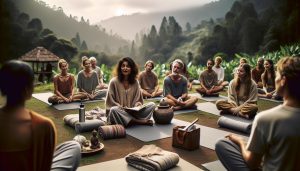
Preparing for a yoga retreat can be both exciting and overwhelming. Did you know that creating a well-thought-out plan can enhance your experience and maximize your rejuvenation? This essential pre-departure guide will walk you through crucial steps to help you embody the spirit of mindfulness and self-care before you even arrive. By addressing common concerns, such as what to pack, how to set intentions, and the best practices to maintain your well-being, you’ll feel empowered and ready to fully engage in your retreat experience. Whether you’re a seasoned yogi or attending your first retreat, understanding the preparation process can lead to profound personal growth and a more enriching experience. Let’s dive into the key elements that will set the stage for your transformative journey.
Choosing the Right Yoga Retreat for Your Needs
Choosing the right yoga retreat can significantly enhance your experience, providing a sanctuary for relaxation, self-discovery, and rejuvenation. With countless options available, it’s essential to consider factors that align with your personal goals and preferences. Begin by identifying what you hope to achieve from the retreat-whether it’s deepening your yoga practice, learning meditation techniques, or simply escaping your daily routine. Each retreat will tend to cater to different audiences, so understanding your intentions is crucial.
When researching retreats, evaluate the style of yoga offered. Various retreats focus on different disciplines, such as Hatha, Vinyasa, Ashtanga, or restorative practices. If you’re a beginner, seek out retreats that prioritize accessible instruction and welcoming atmospheres. Additionally, consider the retreat’s location and environment. Natural settings like beaches or mountains can enhance your experience and provide a serene backdrop for relaxation.
Another key aspect to consider is the instructor’s qualifications and the structure of the programs. Look for retreats led by experienced practitioners who resonate with your teaching philosophy. Reviewing testimonials or feedback from previous attendees can provide insights into the retreat’s atmosphere and efficacy. Moreover, assess the schedule-some retreats blend yoga with outdoor activities, workshops, and wellness programs, which can cater to various interests and create a well-rounded experience.
Finally, don’t underestimate the importance of group dynamics. The community you share this journey with can profoundly impact your experience. Engage with various retreat options through social media or informational webinars to gauge the community vibe. Ultimately, choosing a yoga retreat that aligns not only with your personal goals but also with your preferred teaching styles and community can create a transformative and fulfilling experience.
Preparing Physically: Essential Yoga Practices
To truly embrace the transformative experience of a yoga retreat, preparing your body with essential yoga practices is crucial. Integrating specific routines into your pre-retreat schedule can enhance your physical readiness, ensuring you feel strong, flexible, and centered when you arrive. Engaging in a balanced yoga regimen not only cultivates the strength and flexibility necessary for varied practices but also helps establish a deeper mind-body connection, which is invaluable during immersive experiences.
A well-rounded practice could include a mixture of styles to cater to different aspects of your physical readiness. For instance, incorporating Hatha yoga can enhance your foundational strength and flexibility, while Vinyasa offers a dynamic flow that builds endurance and cardiovascular health. Consider allocating dedicated days for gentle restorative sessions, focusing on deep stretches and breathing techniques, to foster relaxation and recovery before stepping into your retreat. Including these elements in your preparation routine will allow you to adapt more easily to the schedule and intensity of retreat sessions.
Here are some practical tips to prepare physically:
- Establish a Routine: Aim to practice yoga at least three to five times a week leading up to the retreat. Consistency will improve your strength and confidence.
- Focus on Key Poses: Integrate poses like Downward Dog, Warrior II, and Forward Fold, as these will enhance your overall flexibility and strength, which are often integral to retreat practices.
- Practice Mindfulness: Incorporate meditation or pranayama (breathing exercises) to improve your mental clarity and allow for deeper relaxation during the retreat.
- Listen to Your Body: Pay attention to areas of tension or discomfort, and tailor your practice accordingly, ensuring you don’t overexert yourself before the retreat.
By committing to a variety of yoga practices before your departure, you’ll not only enhance your physical capabilities but also cultivate a mindset of openness and adaptability, setting the stage for a richer, more fulfilling retreat experience.
Mental Readiness: Cultivating the Right Mindset

Entering a yoga retreat prepared not only physically but also mentally can significantly enhance your experience. A positive and open mindset allows you to fully absorb the teachings and practices offered during the retreat, leading to profound personal growth and transformation. Cultivating the right mental readiness involves self-reflection, embracing vulnerability, and letting go of preconceived notions about what the retreat will entail.
Start by reflecting on your intentions for the retreat. Ask yourself what you aim to achieve-whether it’s deepening your practice, finding inner peace, or reconnecting with yourself. Write down these intentions and keep them in a place where you can revisit them often. This focus will guide you through the experience, helping you remain grounded when challenges arise. Additionally, approach the retreat with an attitude of curiosity. Instead of expecting certain outcomes, allow yourself to experience each moment as it comes. This open-mindedness can lead to unexpected insights and revelations.
Another key aspect is to practice mindfulness and meditation in the weeks leading up to the retreat. Setting aside time for daily meditation helps cultivate inner stillness and prepares you for the quieter moments of reflection that will be central to the retreat experience. Incorporate simple mindfulness exercises into your routine, such as mindful breathing or awareness of your surroundings, which can ground you in the present moment and reduce anxiety.
Lastly, consider the community aspect of the retreat. You will be surrounded by like-minded individuals who are also on their personal journeys. Embrace the opportunity to connect with others, share experiences, and support one another. This camaraderie not only enhances the retreat experience but also fosters a sense of belonging that can enrich your personal practice long after the retreat concludes. By mentally preparing yourself in these ways, you create a robust foundation for a transformative and enriching retreat experience.
Packing Essentials for Your Yoga Retreat

Packing for a yoga retreat can be both exciting and overwhelming, as the right items can significantly enhance your experience and comfort during the journey. Whether you’re headed to a serene mountain escape or a tropical beachfront retreat, careful preparation will allow you to focus on your practice and personal growth. One important tip is to check what the retreat center provides, as many facilities include yoga mats, blocks, and other essentials, reducing the number of items you need to bring.
Essential Items to Pack
To help you curate your packing list effectively, consider the following essentials that will support your yoga practice and overall wellbeing during the retreat:
- Yoga Clothing: Opt for lightweight, breathable, and stretchy fabrics. Pack enough yoga pants, tops, and layers considering the climate and the types of practices offered.
- Comfortable Footwear: Bring flip-flops or sandals for communal areas, along with a sturdy pair of shoes for any off-site activities like hiking or exploring.
- Yoga Props: If you prefer to use specific props, consider bringing your own yoga mat, straps, or blocks-especially if you have particular needs that may not be met by the retreat’s offerings.
- Toiletries: Pack travel-sized essentials like shampoo, conditioner, toothpaste, and sunscreen. Consider eco-friendly options to align with the wellness ethos.
- Journal and Pen: Reflective writing can deepen your retreat experience. A journal is a great space to jot down insights, feelings, or intentions.
- Reusable Water Bottle: Staying hydrated is crucial, so bring a refillable bottle to reduce waste and ensure easy access to water throughout the retreat.
- Comfortable Blanket or Shawl: This can be useful for meditation sessions, outdoor practices, or cool evenings.
- Optional Luxury Items: Don’t hesitate to bring a few personal comfort items like a favorite book, essential oils, or calming teas to enhance your downtime.
What to Leave Behind
Equally vital is knowing what not to pack. Avoid bringing excessive electronics, which can distract from the retreat experience. Many retreat centers encourage participants to unplug, so consider leaving your laptop and non-essential devices behind. Additionally, limit the amount of jewelry and expensive items, focusing instead on simplicity to enhance your mindfulness practices.
The key to a successful packing experience for a yoga retreat lies in thoughtful preparation. With the right items at your fingertips, you’ll be poised to immerse yourself fully in the transformative journey that awaits.
What to Expect: Retreat Schedules and Activities
A yoga retreat offers a unique opportunity to immerse yourself in practice, relax in nature, and connect with like-minded individuals. Each retreat is distinct in its schedule and activities, often tailored to enhance your overall experience. Most retreats provide a structured daily itinerary that can include yoga classes, meditation sessions, workshops, and leisure time. Understanding what to expect can help you make the most of your experience and allow you to fully engage in the retreat environment.
Typically, mornings begin with invigorating yoga sessions aimed at awakening the body and setting a positive tone for the day. These sessions may range from gentle hatha practices to dynamic vinyasa flows, allowing participants of all levels to find their pace. Following yoga, you might enjoy a wholesome breakfast that fuels your body and mind. Mornings could also include optional activities like guided meditation or mindfulness workshops, focusing on deeper emotional and spiritual aspects of practice.
Afternoons are often reserved for restorative yoga sessions, specialized workshops, or personal time for reflection and exploration. Participants might choose to journal, engage in nature walks, or enjoy creative activities like art or cooking classes that enhance their retreat experience. Evening schedules typically feature different practices, such as yin yoga or restorative sessions that promote winding down and integrating the day’s activities. Ending the day with group discussions or community sharing sessions can foster meaningful connections with fellow participants.
Retreats often emphasize nutrition, so expect meals to be healthy and nourishing. Many centers offer wholesome, plant-based menus that support your well-being throughout the retreat. Cooking classes or nutrition workshops may also be available, providing insights into maintaining healthy eating habits once you return home.
Being prepared for varying activities helps you embrace the full value of your retreat. Each schedule is designed to promote growth, healing, and relaxation, ensuring that participants leave not only renewed but filled with experiences to carry into their daily lives. Embrace the flow of the retreat, and remember that flexibility is key; the goal is to engage with the practices and experiences offered fully.
Food and Nutrition: Eating Well on Retreat
Eating well during your yoga retreat is crucial not only for sustaining your energy levels but also for enhancing your overall experience. Most retreats prioritize nourishing food to support both body and mind, often featuring fresh, organic, and locally-sourced ingredients. Understanding the culinary aspect of your retreat can significantly impact your emotional and physical well-being throughout your whole experience.
Typically, you can expect a variety of meals tailored to different dietary needs, including vegan, vegetarian, gluten-free, and raw options. This attention to dietary inclusion accommodates participants with specific preferences, ensuring everyone feels comfortable and satisfied. It’s wise to research the specific meal plans and nutrition philosophy of your retreat center beforehand. Many provide workshops or cooking classes focused on food preparation and nutrition, empowering guests to take these healthy practices back home. Engaging in such hands-on experiences can deepen your understanding of how whole foods contribute to your vitality and wellness.
A well-balanced diet during your retreat should include an array of whole foods like fruits, vegetables, whole grains, nuts, and seeds. Hydration is equally important; make sure you’re consuming plenty of water throughout your stay to aid digestion and support the detoxification process that often accompanies yoga practices. Embrace the opportunity to try new foods and flavors presented at your retreat, as they can enhance your culinary palette while contributing to a holistic wellness journey.
It’s also helpful to plan how you’ll maintain these healthy eating habits once you return home. Consider creating a meal prep plan inspired by the recipes or techniques you learn during the retreat. This may include cooking classes or guided sessions that explain the nutritional benefits of particular ingredients, allowing you to recreate wholesome meals that align with your wellness goals post-retreat. Emphasizing mindful eating and gratitude for your meals will also enhance the nourishment experience, making each bite meaningful.
Travel Logistics: Planning Your Journey
When embarking on a yoga retreat, effective travel logistics play a crucial role in ensuring a smooth and enriching experience. Attention to detail during the planning stage can mitigate stress and enhance your journey, allowing you to arrive at your retreat fully present and ready to participate. A well-prepared traveler can maximize the benefits of their retreat, so consider these essential aspects as you organize your trip.
Start by examining transportation options available to your retreat destination. Whether you’re considering flying, driving, or taking a train, booking your tickets well in advance can save you time and often money. If flying, research local airports and the various shuttle services or car rentals available to reach your destination seamlessly. It’s also wise to confirm the retreat’s arrival and departure times; many retreats offer transfer services or recommendations, making the transition as smooth as possible.
Consider the time of year you plan to travel. Peak seasons can affect flight availability, accommodation options, and even the atmosphere of your retreat. It’s beneficial to check weather conditions, as some retreats may involve outdoor activities that are best enjoyed in particular climates. Packing appropriately for the weather, as well as for your yoga practices, is essential; think layers for varying temperatures and a good balance of casual and practice-ready attire.
Don’t overlook travel documentation and health considerations. Ensure your passport or ID is up-to-date if you’re traveling internationally. Be aware of any necessary vaccinations, as some locations may require proof of these prior to your arrival. Additionally, considering travel insurance can provide peace of mind, covering potential disruptions related to flight cancellations or health needs that may arise during your trip.
Lastly, keep an eye on communication possibilities. Depending on your destination, connectivity might be limited. If you plan to manage notifications or stay in touch with family, ensure you have access to necessary apps and international roaming options if needed. However, also consider the benefits of unplugging during the retreat to fully immerse yourself in the experience, engaging deeply with the practices and community awaiting you.
By looking into these logistical elements of your journey, you set yourself up for a transformative retreat experience that allows you to focus on personal growth and rejuvenation.
Staying Connected: Managing Technology During Your Retreat
In today’s hyper-connected world, the prospect of a yoga retreat often raises questions about managing technology. While it’s crucial to stay connected, many participants find that unplugging enhances their overall experience, allowing for deeper engagement with their practice and surroundings. Striking a balance between remaining reachable and immersing yourself in the retreat experience can significantly influence your personal growth during this time.
To effectively manage technology during your retreat, consider these key strategies:
- Check Connectivity Options: Before departure, research the connectivity at your retreat venue. Some locations may have limited cell reception or Wi-Fi, encouraging a digital detox. Knowing this in advance can help you prepare psychologically for a break from online distractions.
- Set Boundaries: If you decide to keep your devices, establish clear boundaries for their use. Designate specific times for checking messages or emails, rather than allowing technology to interrupt your yoga sessions or group activities.
- Communicate Your Intentions: Inform family and friends about your retreat plans. Let them know when you might be unreachable and reassure them that you will reconnect once your retreat concludes. This consideration helps manage their expectations and minimizes the urge to check in.
- Leverage Useful Apps: If staying connected is necessary for work or personal reasons, use apps that support mindfulness and meditation. These can help you maintain your mental state even while using technology.
While it’s tempting to document every moment or share your experiences in real-time, try to focus on being present. This shift can unlock deeper insights and connections with fellow retreat participants. Embracing a temporary disconnection from technology not only enhances your well-being but also allows for a more enriching and authentic experience on your retreat journey. By thoughtfully considering how to manage technology, you can create a harmonious balance between staying connected and fully engaging in the transformative experience that a yoga retreat offers.
Building a Daily Routine: Balancing Practice and Relaxation
Establishing a balanced daily routine during a yoga retreat is crucial for deepening your practice and maximizing overall wellness. The unique environment of a retreat offers an opportunity to immerse yourself fully in yoga and relaxation, but it can also feel overwhelming without a clear plan. Consider this: a well-structured day can foster mindfulness, enhance your connection to self, and cultivate a peaceful mindset.
Creating a routine begins with identifying your priorities. Each day, aim to integrate periods of practice with moments of relaxation. A common structure might involve morning yoga sessions, followed by time for breakfast and personal reflection. Here’s how to effectively balance your day:
Morning Ritual
- Yoga Practice: Start your day with an energizing yoga session to awaken your body. This can include breathwork (pranayama), asanas, and meditation to set a positive tone for the day.
- Mindful Breakfast: Enjoy a nutritious breakfast mindfully. Focus on the flavors, textures, and aromas, allowing yourself to fully savor the meal.
Midday Activities
- Group Sessions: Participate in scheduled workshops or discussions that resonate with your goals for the retreat. Engage with fellow participants to share insights and deepen connections.
- Free Time: Carve out some time for yourself-read a book, journal your experiences, or take a nature walk. This personal space can help process your thoughts and feelings.
Evening Wind Down
- Sunset Practice: Join an evening yoga class or meditation session to help release the day’s tension and prepare for rest.
- Reflective Journaling: Before bed, take a few moments to jot down your reflections from the day. Documenting your journey can enhance your experience and provide insights for personal growth.
By structuring your day with a mix of practice and relaxation, you can cultivate a holistic approach to your retreat experience. Remember, flexibility is key; listen to your body and adjust your routine as needed. This balanced approach not only enriches your yoga experience but also lays the groundwork for integrating the lessons learned into your daily life post-retreat. Ultimately, a harmonious routine fosters a deeper connection to your practice and ensures you leave the retreat feeling rejuvenated and inspired.
Post-Retreat Transition: Integrating Experiences at Home
Returning from a yoga retreat can be an exhilarating yet challenging experience as you seek to incorporate the insights and practices you’ve gained into your everyday life. The tranquility and clarity that often accompany a retreat can feel like a distant memory amidst daily responsibilities and stressors. Hence, an effective transition is essential for maintaining the positive transformations you’ve experienced.
To begin integrating your retreat experiences at home, consider creating a dedicated space for practice and reflection. This could be a corner of a room equipped with your yoga mat, cushions, candles, or anything that evokes the peaceful ambiance of the retreat. Making this area inviting encourages consistency in your practice and serves as a reminder of the inner peace you cultivated during your time away.
Establishing a Home Practice involves setting a realistic schedule that fits your lifestyle. Start with short sessions, gradually increasing their length as you feel more comfortable. Consider incorporating techniques or sequences you enjoyed at the retreat, and vary them with new practices to keep your routine fresh. Engaging with online classes or guidance from your retreat instructors can also help maintain the connection to the community and teachings you found inspiring.
Another crucial aspect of this transition is reflecting upon the lessons learned throughout your retreat. Journaling about your experiences can facilitate a deeper understanding of these insights and how they apply to your daily life. Setting aside time each week for this reflective practice can help reinforce newfound perspectives and stay aligned with mindfulness in your routines.
Additionally, consider establishing a daily mindfulness practice, whether through meditation, breathwork, or simply being present in your activities. Even small rituals, such as deep breathing before meals or mindful walking, can prolong the feelings of calm and awareness cultivated during your retreat.
Finally, be aware of the potential for a “post-retreat slump.” It’s common to feel a contrast between retreat life and reality. Combat this by connecting with fellow retreat participants through virtual meetups or local gatherings, fostering community and support as you all navigate your transitions. Prioritize self-compassion during this process; remembrance that it’s normal to feel a shift as you return home is vital for a gentle re-entry into daily life.
By consciously creating space for your practice, engaging in reflection, and maintaining community connections, you can ensure that the benefits of your retreat endure long after you’ve returned home.
Common Misconceptions About Yoga Retreats
When considering a yoga retreat, potential participants often find themselves grappling with a range of misconceptions that can deter them from embracing this transformative experience. One prevalent myth is that yoga retreats are exclusively for advanced practitioners. This belief can prevent beginners from participating in a life-changing journey. In reality, many retreats cater to all levels, often providing tailored classes that accommodate various abilities and personal goals. Retreats typically foster a welcoming environment where everyone can learn at their own pace, making it a great opportunity for newcomers.
Another common misunderstanding relates to the perceived time commitment. Many people assume they don’t have enough time in their busy lives to attend a retreat. However, most retreats offer flexible schedules and a blend of intensive practice and leisure, allowing participants to engage meaningfully without feeling overwhelmed. In fact, some find that stepping away from daily responsibilities for even a short period can be rejuvenating and is often necessary for personal development.
Cost is also a significant concern for many, as some believe yoga retreats are prohibitively expensive. While it’s true that some retreats can be pricey, many options are available across a range of budgets. Some organizations even offer scholarships, or sliding scale fees, to make wellness experiences accessible to a broader audience. Additionally, participants can consider the benefits of spending money on a retreat as an investment in their well-being, potentially saving on future health-related expenses.
Lastly, another misconception is that participants must disconnect entirely from technology during their stay. While some retreats encourage a digital detox to enhance mindfulness, most understand the importance of staying connected. Many retreats provide options for maintaining limited contact with the outside world, allowing participants to balance their retreat experience while still feeling connected to family, work, and other commitments.
In debunking these myths, it becomes clear that yoga retreats have much to offer individuals regardless of experience level, availability, or financial situation. Embracing this journey can yield incredible benefits, including improved physical health, mental clarity, and emotional resilience, making it a worthwhile consideration for anyone looking to deepen their practice or explore personal growth.
Safety and Wellness: Ensuring a Healthy Retreat Experience
Ensuring a safe and healthy experience during a yoga retreat requires thoughtful preparation and mindfulness throughout your journey. With varied environments and routines, participants can encounter different health considerations. Thus, being proactive in managing safety and wellness can enhance the overall experience and promote deeper engagement in yoga practices.
One key aspect to consider is the physical environment of the retreat location. Research the area beforehand to know what health precautions are in place. Check if the facilities uphold hygiene standards and whether activities will take place in safe areas. In tropical or mountainous regions, for instance, it’s vital to stay informed about potential health risks like altitude sickness or mosquito-borne illnesses. Bringing a basic health kit that includes first aid supplies, any prescribed medications, and essential items like insect repellent and sunscreen is a wise strategy.
It’s equally important to address your wellness needs through proper nutrition and hydration. Familiarize yourself with the offered meal plans and dietary accommodations. If you have specific food allergies or preferences, communicate these with retreat organizers ahead of time to ensure that your nutritional needs are met. Emphasizing hydration, particularly in warmer climates, supports overall health during intensive yoga practices. Aim to drink plenty of water and opt for balanced meals rich in fruits, vegetables, and whole grains, which can provide sustained energy levels.
Finally, consider your emotional and mental well-being. Before departing, establish a clear understanding of what you hope to achieve during the retreat, as this can guide your journey and help manage expectations. Utilize mindfulness practices, such as meditation or journaling, to promote mental readiness. During the retreat, create a supportive network with fellow participants, as sharing experiences can enhance feelings of safety and connection. Recognize when you need a break and honor your body’s signals; maintaining a balance between participation and rest is crucial for a rewarding retreat experience.
By prioritizing safety and wellness through informed choices, effective communication, and community support, participants can fully immerse themselves in the enriching journey that a yoga retreat has to offer.
Frequently Asked Questions
Q: What should I bring to my yoga retreat?
A: When packing for a yoga retreat, include comfortable yoga clothing, a yoga mat (if not provided), a water bottle, toiletries, a journal for reflections, and any personal items you might need. Consider adding a swimsuit if your retreat has water activities. Refer to the “Packing Essentials for Your Yoga Retreat” section for more details.
Q: How do I mentally prepare for a yoga retreat?
A: Mentally prepare by setting clear intentions for your retreat experience. Practice mindfulness techniques such as meditation or journaling prior to departure. This can enhance your focus during meditation sessions and group activities. Visit the “Mental Readiness: Cultivating the Right Mindset” section for tips.
Q: Can I practice yoga if I’m a beginner?
A: Yes, most yoga retreats cater to participants of all levels, including beginners. Focus on the experience rather than perfection. Look for retreats specifically designed for beginners to feel more comfortable. Check the “Preparing Physically: Essential Yoga Practices” section for more insights on suitable practices.
Q: How do I maintain my routine during a yoga retreat?
A: You can maintain your routine by establishing a daily schedule that includes yoga practice, meditation, and personal downtime. Consider allocating time for familiar practices like journaling or reading. The “Building a Daily Routine: Balancing Practice and Relaxation” section offers practical advice.
Q: What types of yoga are typically taught at retreats?
A: Many retreats offer various styles, including Hatha, Vinyasa, Yin, and restorative yoga. Some might focus on a specific technique or combine different styles. Research the retreat’s offerings on their website or the “What to Expect: Retreat Schedules and Activities” section for more information.
Q: Are food and meals included in yoga retreats?
A: Generally, most yoga retreats include meals, often focusing on healthy, vegetarian, or vegan options. Confirm meal availability in advance to accommodate your dietary needs. For detailed nutrition considerations, refer to the “Food and Nutrition: Eating Well on Retreat” section.
Q: How can I manage my technology use during a retreat?
A: To foster a meaningful experience, limit technology use by setting boundaries for checking phones or emails. Focus on disconnecting from the digital world to deepen your practice. The “Staying Connected: Managing Technology During Your Retreat” section provides more guidance on this topic.
Q: What if I feel overwhelmed at the retreat?
A: Feeling overwhelmed is common, especially if it’s your first retreat. Take time to breathe, engage in quiet meditation, or speak with your instructor. Resources for managing emotions can be found in the “Common Misconceptions About Yoga Retreats” section, aiding in a smoother experience.
In Retrospect
As you prepare for your yoga retreat, remember that thorough planning is key to ensuring a transformative experience. From selecting the right gear to understanding your destination, each detail contributes to your journey. Don’t let uncertainty hold you back-take action now and finalize your pre-departure checklist.
If you’re eager for more insights, explore our articles on wellness travel essentials and discover how to maintain your yoga routine while traveling. Looking for personalized guidance? Sign up for our newsletter for updates on future retreats and exclusive tips that will enhance your practice and travel experiences.
Embrace the excitement of your upcoming retreat! Trust in your preparation, and remember that every moment spent investing in your wellness is a step in the right direction.
Get our latest guides, news, and insights highlighted in your Google Search & AI Overviews.