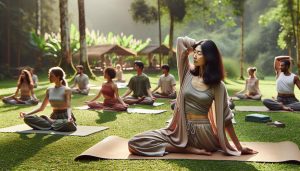
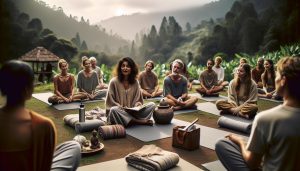
Yoga retreats often promise rejuvenation and self-discovery, but what about the more personal aspects of these intimate settings? While many attendees seek spiritual enlightenment and mindfulness, the question of romance-specifically, whether sex occurs-is a topic often shrouded in intrigue and ambiguity. Understanding the dynamics of relationships at a yoga retreat can be essential for those contemplating their participation. Are connections formed in shared practice spaces, or do boundaries remain strictly spiritual? This exploration of romance within the context of yoga retreats not only sheds light on personal interactions but also raises important considerations for maintaining focus on wellness and self-care. As we delve into this multifaceted subject, prepare to uncover the honest truth about love, intimacy, and connection in the heart of serenity.
Is Romance a Common Experience at Yoga Retreats?
Engaging in yoga retreats often provides a unique opportunity for personal exploration and connection with others. The environment created by these retreats-peaceful, introspective, and sometimes secluded-can foster a heightened sense of intimacy and openness among participants. Many attendees are looking to deepen their physical, mental, and spiritual practice, which can naturally lead to forming meaningful relationships, including romantic connections. In fact, some individuals report that the shared experience of yoga, meditation, and personal growth catalyzes relationships that may not develop in everyday life.
Social dynamics play a crucial role at these gatherings. When participants share daily practices, meals, and discussions around wellness and self-discovery, strong bonds are formed. This closeness can blur lines between friendships and romantic interests. While some people may attend yoga retreats with the intention of fostering friendships, others might find themselves irresistibly drawn to a fellow participant, igniting a romantic spark. The intensity of the environment can sometimes accelerate these feelings, making romance a common experience.
However, it’s important to navigate these dynamics thoughtfully. Setting boundaries and being aware of individual comfort levels is essential to ensuring a respectful atmosphere. Participants should be encouraged to communicate openly about their feelings and intentions, promoting mutual consent and respect.
In essence, while romance can and does blossom in yoga retreat settings, it’s typically intertwined with personal growth and introspection, making it a multifaceted experience. Whether relationships formed evolve into something deeper or remain as cherished friendships, the focus on self-care and connection ensures that all participants leave enriched by the experience.
Understanding the Social Dynamics of Yoga Retreats
Yoga retreats create unique social dynamics that can significantly influence the connections formed among participants. The combination of shared daily activities, such as yoga practice and meditation, fosters an environment of vulnerability and trust. In these spaces, individuals often feel more open and receptive, making it easier to bond over personal experiences and shared goals. The common pursuit of wellness and self-discovery acts as a strong foundation for relationships-be they platonic or romantic-enabling participants to form connections that might be less accessible in their daily lives.
This close interaction can lead to blurred lines between friendships and romantic interests. A communal meal after an intensive yoga class or a group discussion about personal growth can transform acquaintances into confidantes. Participants may find themselves more willing to express their feelings in such an intimate setting, which can ignite sparks of attraction. The emotional intensity often felt at retreats creates an atmosphere conducive to romance; the shared journey of self-exploration can catalyze emotions that lead to attraction and, in some cases, the beginning of a romantic relationship.
However, navigating these dynamics requires a thoughtful approach. Open communication about intentions and feelings is crucial to maintaining a respectful environment. Participants should feel empowered to establish personal boundaries and to discuss them with others. Mutual consent and respect for comfort levels should be at the forefront to enhance the retreat experience for everyone involved. It’s important for individuals to recognize their own motivations for attending-whether for personal growth, friendship, or romance-and to engage with others in a way that aligns with these motivations.
Ultimately, means recognizing the intricate balance of connection and respect. Whether relationships take the form of deep friendships or romantic experiences, the underlying goal remains: a commitment to self-care and mutual growth. Participants leave with enriched perspectives-not only on their personal practice but also on the connections they’ve fostered with others in this unique environment.
Exploring Connection: Friendships vs. Romantic Interests
While some attendees arrive at yoga retreats in search of deep, meaningful connections, others may find themselves navigating the complex landscape of friendships and potential romantic interests. In an environment imbued with tranquility and mindfulness, relationships can evolve rapidly-from casual chats during a morning practice to deep conversations over shared meals. This transformation often leads to the question of whether the budding connections are merely platonic or hint at deeper romantic possibilities.
The communal nature of retreats fosters a unique atmosphere. As participants engage in activities like yoga and meditation, they often experience heightened emotional openness. This vulnerability can create an intimate backdrop for friendships to flourish, potentially morphing into romantic interests. It’s not uncommon to see participants forming strong bonds through shared experiences, whether it’s bonding over a challenging yoga pose or finding common ground in personal growth discussions. Yet, the intensity of these connections can blur the lines, making it difficult to discern between friendship and romance.
While romantic sparks may fly, it’s crucial for individuals to remain mindful of their intentions and the dynamics at play. Open communication is essential for ensuring that all parties feel comfortable and respected. This includes discussing boundaries and understanding the motivations that drive each participant’s desire for connection-be it for friendship, romance, or simply shared experiences. Participants should consider initiating conversations that define their interests, which can help clarify intentions and prevent misunderstandings.
Ultimately, attending a yoga retreat provides a rich tapestry for both friendships and romantic entanglements. Just as yoga encourages self-discovery and mindfulness, participants are invited to explore their connections with others in a respectful and conscious manner. By embracing both the camaraderie and the potential for romantic exploration, individuals can leave retreats not only with enhanced yoga skills and renewed personal insights but also with the possibility of lasting relationships, irrespective of their nature. The key lies in honesty, respect, and an open heart, paving the way for connections that resonate well beyond the retreat experience.
The Role of Setting: How Location Affects Relationships
The setting of a yoga retreat can greatly influence the relationships that develop among participants. Locations often chosen for these retreats-such as serene beaches, tranquil forests, or majestic mountains-naturally foster an atmosphere of relaxation and reflection. This peaceful backdrop encourages individuals to open up and engage more deeply with one another, making it easier to form connections that might blossom into friendships or romantic interests.
The type of venue also plays a crucial role. For instance, a retreat situated in an exotic location may attract individuals seeking adventure and new experiences, thereby creating a more playful and open environment. Conversely, a retreat in a luxurious or high-end setting might appeal to those who prioritize self-care and holistic wellness. Each location offers a different vibe, and this can impact participant interactions. The shared experience of waking up to ocean waves or meditating under a starlit sky can create shared memories that strengthen bonds and potentially lead to deeper connections.
Consider the communal aspects of these settings; they often include shared accommodations and communal dining experiences. This layout fosters organic interactions, whether over discussions about yoga poses or shared meals. In such intimate settings, individuals may find it easier to connect on a personal level, leading to a unique blend of camaraderie and attraction. Open spaces for yoga and group activities also encourage mingling, allowing participants to engage without the usual barriers present in everyday life.
Ultimately, the environment of a yoga retreat not only serves as a backdrop but also influences the emotional and relational dynamics of attendees. By promoting a sense of safety and emotional openness, these locales enhance participants’ ability to explore their feelings-be it for friendship or romance-in a mindful and respectful manner. Understanding this interplay between setting and relationships can help attendees navigate their experiences, leading to meaningful connections that extend beyond the retreat itself.
What to Expect: The Vibe and Atmosphere at Retreats
The atmosphere of a yoga retreat plays a pivotal role in shaping the relationships and experiences of its attendees. Often nestled in idyllic settings such as lush forests, picturesque beaches, or serene mountains, these retreats provide a calming environment that encourages participants to relax, reflect, and connect with others on a deeper level. The unique combination of spiritual practice, mindfulness exercises, and communal activities creates a nurturing space where openness and vulnerability can flourish.
Participants can expect a mixture of tranquility and community-driven energy throughout the retreat. Morning yoga sessions typically set the tone, featuring gentle music and guided meditation that enhance the overall sense of harmony. This peaceful start encourages a communal spirit, where participants share their thoughts and experiences, perhaps over breakfast. The communal dining setting fosters friendly interactions, making it easier for attendees to engage in conversations that can lead to friendships or romantic interests.
Importantly, activities are designed to enhance bonding among participants. Group workshops, partner yoga exercises, and reflective discussions during workshops provide ample opportunities for individuals to connect. The structured yet relaxed schedule allows for organic relationships to form, breaking down walls that might otherwise inhibit connections. This blend of mindful practice and social interaction lays the groundwork for connections that can be both platonic and romantic.
As the retreat progresses, the collective experience often shifts towards a deeper sense of intimacy, facilitated by mindfulness practices that encourage individuals to share their thoughts and feelings. The emotional openness that arises from shared vulnerability can heighten connections, making it easier for some to explore romantic possibilities. Ultimately, the vibe at a yoga retreat is one of heightened self-awareness and connection, setting the stage for meaningful interactions that can last well beyond the retreat itself.
Spiritual Intimacy: Yoga as a Path to Deeper Connections
Experiencing deeper connections at a yoga retreat often transcends the physical practice of yoga itself; it is rooted in the shared journey of self-discovery and vulnerability. Yoga invites participants to tap into their inner selves, fostering an environment ripe for spiritual intimacy. As individuals engage in mindfulness practices and open discussions, they not only explore their own emotions but also connect profoundly with others on similar journeys. This unique setting can create a sense of belonging and understanding among attendees, forming the foundation of both friendships and romantic interests.
At a yoga retreat, practitioners often engage in activities specifically designed to promote trust and connection, such as partner yoga or trust falls. These exercises encourage participants to rely on and support one another, fostering a bond that can deepen into something more intimate. Sharing personal stories during meditation circles or group reflections further enhances this connection; participants discover common experiences, aspirations, and desires, creating a potent emotional closeness. This heightening of vulnerability can lead to meaningful connections that extend beyond casual friendships.
Moreover, the ambiance of a retreat-often set against serene landscapes and enriched with mindful practices-enhances the emotional experience. Participants find themselves in a space free from daily distractions, allowing for authentic conversations and genuine interactions. This backdrop not only relaxes the mind but also opens the heart, paving the way for romantic sparks to fly. As individuals share their personal journeys, insights, and goals, they may find themselves attracted to kindred spirits, nurturing both platonic relationships and potentially romantic connections.
Establishing boundaries remains crucial in navigating these newfound connections. Participants should always communicate openly about their intentions, ensuring mutual respect and consent as relationships evolve. By prioritizing emotional intelligence and compassion, individuals can enjoy a fulfilling retreat experience that honors both personal growth and the potential for romance.
Navigating the Boundaries: Respect and Consent at Retreats
Navigating the emotional landscape of a yoga retreat can be both exhilarating and complex, especially when romantic connections begin to form. The ambiance-crafted from shared experiences, vulnerability, and mindfulness-can lead to deeper interactions, but it also necessitates a clear understanding of boundaries, respect, and consent. Establishing these values is crucial for creating a safe environment where everyone feels comfortable expressing their feelings and intentions.
Open communication is the foundation for maintaining respectful interactions. As feelings develop, participants should feel empowered to discuss their desires and boundaries candidly. For instance, if someone feels attracted to another attendee, straightforward dialogue about intentions can help to prevent misunderstandings and ensure both parties are on the same page. It can be beneficial to set aside time for these discussions, perhaps during group reflections or casual social times where everyone can engage comfortably.
Respecting personal space and the diverse comfort levels of participants is equally important. Individuals attend retreats for various reasons-some may be seeking personal growth, while others might be exploring romantic interests. Acknowledging this variety can help cultivate a respectful atmosphere where all participants can thrive. For example, if someone expresses that they are not interested in romantic involvement, it is essential to honor that boundary and shift focus back to the collective experience.
Finally, setting ground rules can serve as a helpful framework for those leading the retreat. Facilitators can encourage participants to agree on norms for interaction, which might include:
- Active Consent: Emphasizing that all forms of affection-emotional, physical, or romantic-should be consensual and enthusiastic.
- Personal Reflection: Encouraging individuals to regularly check in with themselves regarding their feelings and interactions.
- Creating Safe Spaces: Designating areas for open dialogue about relationships, where participants can share experiences and thoughts without judgment.
These practices not only enhance the retreat experience but also ensure that any romantic developments are nourished within a framework of mutual respect and understanding, allowing for a balance between personal connection and collective mindfulness.
Real Stories: Couples Who Met on Yoga Retreats
Many couples have found love in the serene and nurturing environment of yoga retreats, where the focus on mindfulness and shared experiences often transcends into deeper connections. Take the story of Jamie and David, who met during a week-long retreat in Costa Rica. Both had come seeking personal development but found that their mutual interest in yoga and wellness sparked an unexpected romance. Through morning sun salutations and evening meditations, they discovered shared values and aspirations, ultimately exchanging vows three years later in the same location where they first connected. Their story illustrates how a shared journey toward self-growth can foster significant relational ties.
Similarly, Maya and Rafael first crossed paths at a retreat focused on healing and mindfulness in Bali. Initially, they bonded over their struggles with stress and anxiety, attending workshops together that encouraged vulnerability and openness. As they engaged in partner yoga and group discussions, they felt a profound sense of trust that blossomed into romance. Their relationship is a testament to how mutual support in a healing space can lay a robust foundation for love, proving that intimacy often forms in unexpected ways.
While romantic connections often flourish in these settings, it’s essential to recognize that emotional ties don’t always lead to lasting relationships. Some participants may find that their experiences lead to brief connections rather than lasting partnerships. Emma and Jake met at a yoga retreat aimed at rejuvenating body and spirit; enjoying a romantic fling during the event, they parted ways amicably afterward. Their story highlights that while not every connection will last beyond the retreat, the experiences shared can still offer meaningful moments that contribute to one’s personal journey.
Ultimately, the ambiance of a yoga retreat, filled with tranquility, openness, and shared vulnerability, creates fertile ground for romantic encounters. Participants often report feeling more in tune with their emotions and the feelings of others, facilitating deeper connections. Whether these connections develop into serious relationships or remain cherished memories, the transformational power of these retreats plays a significant role in shaping the bonds formed. Couples emerging from these experiences often attribute their newfound relationships to the profound sense of community and acceptance that retreats foster, allowing love to truly flourish.
Advice for Singles: Finding Love When Traveling
Finding love while traveling can often feel like a daunting task, especially in the serene and reflective environment of a yoga retreat. Yet, these gatherings are not only spaces for self-discovery; they can also serve as vibrant ecosystems for social interaction and potential romantic connections. Here are some comprehensive strategies to navigate the romantic landscape of yoga retreats.
Engage Actively with Participants
The communal nature of yoga retreats provides ample opportunities to engage with others. Take initiative in group activities, whether it’s a shared meal, a workshop, or a meditation session. This proactive approach not only allows you to meet fellow attendees but also fosters a collaborative spirit essential for forming deeper connections. Strike up conversations about shared interests in yoga, wellness, or travel adventures, creating a natural pathway to evolve interactions into friendships or even romantic interests.
Embrace Vulnerability and Authenticity
Expressing vulnerability can be a profound catalyst for connection. Don’t shy away from sharing personal stories or challenges during group discussions or activities. Many participants attend yoga retreats seeking healing or growth, and being open about your own journey can resonate with others in similar situations. This honesty cultivates trust, enabling relationships to flourish in a nurturing environment where emotional support is naturally provided.
Practice Mindfulness in Interactions
Staying present during interactions can enhance the quality of your social experience. Mindfulness not only helps to build genuine connections but also encourages active listening. Pay attention to the feelings and cues of those around you, as this can guide you in identifying potential romantic interests without coming across as overly forward. Remember that shared moments of mindfulness, such as during partner yoga or meditation, can create a unique bond that may not have been possible in traditional dating settings.
Consider Setting Boundaries with Clarity
While the environment is conducive to romance, it’s important to establish and respect boundaries-both yours and those of others. Being clear about your intentions and understanding the motivations of others can prevent misunderstandings and ensure that interactions are consensual and respectful. Clear communication is vital, especially in a setting where emotions can be heightened.
Navigating the experience of finding love at a yoga retreat can be exhilarating yet filled with uncertainty. Engaging actively, embracing vulnerability, practicing mindfulness, and setting boundaries are essential tools for singles looking to explore romantic connections. This holistic approach not only enhances your travel experience but may also lead to meaningful relationships that extend well beyond the retreat.
Health and Wellness: Prioritizing Self-Care Over Romance
The serenity and tranquility of a yoga retreat can often serve as a backdrop not only for self-discovery but also for potential romantic pursuits. However, it’s essential to recognize that these environments are primarily designed for personal growth, healing, and wellness. Prioritizing self-care over romance can significantly enhance your experience, allowing you to fully engage in the practices and insights that a yoga retreat offers.
Focusing on your well-being means immersing yourself in the various aspects of the retreat, such as meditation, yoga sessions, and group workshops. These activities promote self-awareness and foster an understanding of your personal intentions and boundaries. When self-care is at the forefront, you create a strong foundation to appreciate the peaceful atmosphere without the distractions that romantic endeavors might introduce.
Additionally, maintaining routines that support your wellness-such as nourishing your body with healthy meals, engaging in restorative practices, and setting aside time for reflection-can lead to a more fulfilling experience. Instead of seeking connections that may or may not be meaningful, invest your energy into understanding yourself better and exploring your spiritual journey. This doesn’t mean you should shun social interactions entirely; rather, approach them with a mindset of curiosity rather than expectation.
Remember that the retreat space is often charged with emotions and vulnerability, which can lead to fleeting connections that might not align with the deeper purpose of your visit. By prioritizing your health and wellness, you open yourself up to authentic experiences and connections that may arise organically rather than forcing romantic interests. Ultimately, focusing on personal growth and well-being can lead to lasting insights and enrich your life long after the retreat concludes.
Managing Expectations: Fun vs. Serious Relationships
The environment of a yoga retreat, rich in tranquility and focused practice, can sometimes blur the lines between casual flirtation and deeper emotional connections. It is essential to approach interactions with a clear understanding of what one seeks and to set expectations accordingly. While many participants might be drawn to the peaceful and open atmosphere, it’s crucial to differentiate between seeking a lighthearted encounter and pursuing a serious relationship during these special retreats.
To navigate the spectrum of fun versus serious connections, consider these guiding questions:
- What are your intentions? Reflect on what you hope to gain from your time at the retreat. Are you looking for companionship to share experiences, or are you in search of a meaningful romantic relationship?
- How do you communicate your goals? Open and honest dialogue with potential partners is key. Establishing boundaries and discussing your expectations can help prevent misunderstandings later.
- What are the emotional implications? Be mindful that emotions can run high in such intimate settings. What begins as a fun connection might unexpectedly deepen, leading to complexities you weren’t prepared for.
The retreat is designed to promote personal growth, so it may be more beneficial to embrace connections for the joy they bring rather than forcing them into a serious framework. Engaging with others in a light-hearted, non-committal manner allows room for a natural flow of relationships that can evolve at their own pace. Remember, many attendees join these retreats for their own well-being, and emotional ties formed under such circumstances may not translate into lasting relationships once the retreat concludes.
Ultimately, approaching connections at a yoga retreat with clarity regarding your own needs and openness to where interactions might lead can enhance not only your experience but also the experiences of those around you. Enjoying the interplay of fun and depth can make for memorable moments while still prioritizing the essence of what a yoga retreat aims to impart: personal growth, healing, and self-awareness.
Is It Right for You? Considerations Before Attending
Before committing to a yoga retreat, it’s essential to reflect on what you truly seek from the experience. Given the unique environment these retreats create, filled with open-minded individuals and serene settings, participants often find themselves navigating a complex landscape of human connection. The retreat atmosphere can be intoxicating, where shared vulnerabilities during yoga practices and meditation might lead to unexpected emotional bonds. Understanding your own motivations and expectations can make a significant difference in your overall experience.
Think about the following aspects that could influence your decision:
- Personal Intentions: Are you looking for a break from daily life to recharge your spirit and focus on self-growth, or are you open to exploring romantic possibilities with fellow participants? Being clear on this can help set the foundation for interactions during the retreat.
- Comfort Levels: Consider how comfortable you feel with the idea of forming connections in such an intimate setting. Reflect on past experiences-do you thrive in environments that promote deep connections, or do you prefer to keep things light and superficial?
- Openness to Experiences: Be receptive to the potential outcomes of the retreat. While you might enter with specific goals, remaining flexible can lead to enriching experiences, even if they fall outside your initial expectations.
It can be beneficial to approach a yoga retreat with a mindset geared towards personal wellness first and foremost. Although the allure of romance might be present, prioritizing your self-care can foster more authentic connections, whether platonic or romantic. Be prepared for both the possibility of romantic interests and the value of friendships that may emerge from your time spent in practice and shared experiences. Ultimately, careful self-reflection and awareness of your expectations will enhance your journey and contribute to the nurturing environment that defines a yoga retreat.
Q&A
Q: Is it common for couples to form relationships at yoga retreats?
A: Yes, many attendees do form romantic relationships at yoga retreats. The intimate setting and shared experiences provide a conducive environment for connections. Couples often emerge from these retreats, taking advantage of the relaxing atmosphere to deepen their bonds. For insights on relationship dynamics, refer to the section on exploring connections.
Q: What are the boundaries regarding romance at yoga retreats?
A: Boundaries around romance at yoga retreats are pivotal. Participants should communicate openly about their intentions and respect personal space. Consent is crucial to ensure everyone feels comfortable. For guidance on navigating these aspects, check the section on respect and consent at retreats.
Q: How does the yoga environment affect romantic connections?
A: The serene and nurturing environment of yoga retreats often enhances emotional openness, making it easier for romantic connections to develop. The focus on mindfulness and self-exploration can bridge personal connections. Explore more about how setting influences relationships in the corresponding article section.
Q: Do yoga retreats provide opportunities for singles to meet potential partners?
A: Yes, yoga retreats can be excellent venues for singles to meet potential partners. The shared focus on wellness and transformation allows for natural interactions. Read more about tips for singles looking to find love while traveling in the section designed for single attendees.
Q: Can friendships turn into romantic relationships at yoga retreats?
A: Absolutely, friendships can blossom into romantic relationships at yoga retreats. The journey of self-discovery and mutual support can deepen bonds, transforming platonic relationships into romantic ones. This concept is further discussed in the article section that explores friendships versus romantic interests.
Q: What should you consider before pursuing a romance at a yoga retreat?
A: Consider personal intentions, the potential impact on your retreat experience, and respect for others. It’s important to balance the desire for a connection with maintaining a respectful atmosphere. For a deeper understanding, refer to the section on managing expectations regarding relationships.
Q: Are there risks involved with romance at a yoga retreat?
A: Yes, risks include potential emotional complications or disruptions to the retreat atmosphere. It’s essential to maintain respect for others and your personal journey. Learn more about navigating these challenges in the section focused on boundaries and consent.
Q: What are the signs of a romantic connection forming at a yoga retreat?
A: Signs include increased personal time together, open communication, physical proximity, and shared activities. Mutual interest often manifests through shared experiences and conversations. For a detailed look, see the section on understanding social dynamics at retreats.
Future Outlook
While navigating romance at a yoga retreat can be complex, understanding the dynamics can lead to a rewarding experience. Whether seeking connection or personal growth, embrace the journey that wellness travel offers. Feel empowered to explore the balance between mindfulness and personal relationships, and remember that your needs are valid.
For more insights, check out our articles on the benefits of yoga retreats and tips for maintaining wellness while traveling. Don’t forget to subscribe to our newsletter for the latest updates and resources. Share your thoughts in the comments-how do you view romance in a retreat setting? Your experience may inspire others considering the same path. Keep discovering, and let your journey unfold!
Get our latest guides, news, and insights highlighted in your Google Search & AI Overviews.