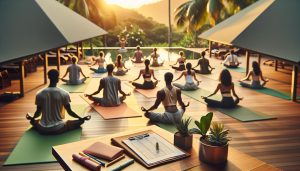
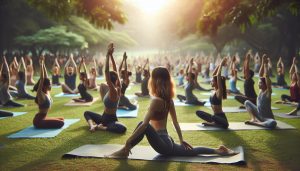
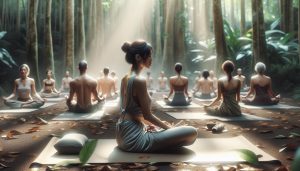
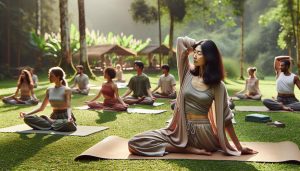
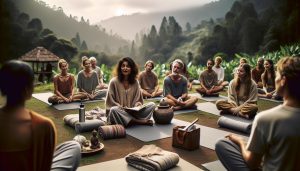
As the vibrant blooms of May usher in a season of renewal, it’s the perfect time for a transformative yoga retreat. Engaging in yoga amidst serene landscapes not only rejuvenates the body but also nurtures the mind and soul. This retreat offers a sanctuary to disconnect from daily stressors, allowing participants to explore personal growth and wellness. Many struggle to balance life’s demands, and dedicating time to self-care can seem elusive. However, immersing yourself in this transformative experience can restore balance and inspire a fresh perspective. Navigate through revitalizing practices, enriching workshops, and meaningful connections with like-minded individuals. Join us to spring into transformation this season, embracing new beginnings for your mind and body that will resonate long after the retreat ends.
Choosing the Right Yoga Retreat for Your Needs
When embarking on a journey to find the perfect yoga retreat, considering your personal needs and preferences is crucial for an enriching experience. With a multitude of options available ranging from beachside retreats to secluded mountain getaways, it’s essential to identify what aspects will best support your goals for transformation this spring. Reflecting on whether you’re seeking relaxation, adventure, community, or personal growth can help narrow down potential choices.
Start by defining your primary objectives for attending a retreat. Are you looking to deepen your yoga practice, unwind in a serene environment, or connect with like-minded individuals? Understanding your intention can guide you toward retreats that offer the right blend of activities and philosophies. Researching the retreat’s location, schedule, and instructors is vital. For instance, some retreats may combine yoga with other elements such as cooking classes, meditation, or nature hikes, which could enrich your overall experience.
Equally important is considering the type of retreat atmosphere that resonates with you. Some travelers prefer the luxury of curated facilities found in destinations like the Euphoria Retreat in Greece, while others may be drawn to the simplicity of nature-based retreats that offer immersion in local culture and natural beauty. Engaging with retreat organizers or reading reviews can provide insights into what to expect, helping you align your preferences with what the program offers.
Lastly, it’s wise to account for practical elements such as the cost, length of the retreat, and any special requirements you may have (e.g., dietary restrictions or accessibility needs). Carefully evaluating these aspects will aid in making an informed decision, ensuring that your choice not only meets your expectations but also fosters the transformative experience you desire this spring.
The Benefits of a Yoga Retreat in Spring

As the earth awakens and nature bursts into bloom, spring offers a unique backdrop for self-exploration and rejuvenation. Yoga retreats during this season harness the energy of new beginnings, making it an ideal time to embark on a transformative journey. Participants often find that the gentle warmth of spring, combined with the beauty of renewed life around them, fosters an environment ripe for personal growth and deep introspection.
One of the most significant benefits of attending a yoga retreat in spring is the opportunity to reconnect with nature. As trees bud and flowers blossom, engaging in outdoor yoga sessions can elevate your practice, allowing you to feel grounded and connected to the earth. This connection not only enhances physical postures but also promotes mindfulness, helping you stay present in the moment and appreciate the beauty surrounding you. Retreats often incorporate nature walks, hikes, and meditation sessions in serene settings, further deepening this immersive experience.
Additionally, spring is synonymous with renewal; it’s a perfect time to set intentions and shed the weight of winter’s stagnation. Yoga retreats provide structured yet flexible environments that encourage participants to reflect on their goals, both personal and spiritual. Joining with others who share similar aspirations creates a sense of community, offering support and accountability that can be essential for lasting change. Sharing experiences and insights with fellow participants can inspire new ideas and perspectives, enriching your journey of transformation.
Lastly, spring retreat experiences often emphasize holistic well-being, including nutrition and wellness practices that harmonize with the season. Many retreats feature plant-based meals that align with spring’s vibrant produce, fostering physical health alongside spiritual growth. This holistic approach can lead to powerful shifts in mindset and lifestyle, encouraging participants to integrate new healthy habits into their daily routines long after the retreat concludes.
In essence, a yoga retreat in spring not only invites personal transformation but also fosters a deep connection with nature and a supportive community, making it a season filled with possibilities for renewal and growth.
Top Destinations for a May Yoga Retreat

With the arrival of May, many eager travelers seek destinations that offer an inviting atmosphere for yoga and personal growth. The beauty of spring combined with warm weather creates the ideal setting for transformative experiences. Destinations that host yoga retreats during this month provide not only rejuvenation for the body but also nourishment for the spirit. Below are some top locations to consider for your May yoga retreat that encapsulate the essence of this vibrant season.
1. Tulum, Mexico
Tulum’s stunning beaches and lush jungles make it a popular choice for yoga enthusiasts. The area’s serene environment, coupled with crystal-clear waters and soft sandy shores, offers an idyllic backdrop for daily practice. Many retreats focus on holistic healing, incorporating activities like meditation, sound healing, and nutritious meals featuring local ingredients. Participants often step away with a renewed sense of purpose and a deeper connection to nature.
2. Costa Rica
Known for its breathtaking landscapes and biodiversity, Costa Rica is a sanctuary for those looking to escape the hustle of daily life. Retreats here often emphasize eco-conscious living, with many venues nestled in the rainforest or alongside picturesque coastlines. Yoga sessions are frequently enhanced by the sounds of nature, and the tropical climate allows for outdoor activities like surfing and hiking, fostering a deep connection with the environment.
3. Sedona, Arizona
Renowned for its red rock formations and vibrant energy, Sedona is an excellent destination for those seeking spiritual growth and rejuvenation. Many retreats take advantage of the region’s unique energy vortexes, offering activities that combine yoga, meditation, and spiritual exploration. The stunning desert scenery not only inspires contemplation but also provides a perfect canvas for self-discovery.
4. Bali, Indonesia
Bali continues to be one of the world’s top destinations for wellness retreats. May, with its more moderate weather, is an ideal time to visit this tropical paradise. Guests can immerse themselves in local cultures while enjoying tailored yoga sessions amidst rice paddies and ocean vistas. Balinese retreats often include practices that integrate sound healing, traditional rituals, and wellness workshops, transforming the experience into a comprehensive journey of body and mind.
Choosing the right venue for your May yoga retreat involves considering what aspects of healing and growth you most desire. Whether you are drawn to the ocean, mountains, or spiritual landscapes, there is a perfect spot waiting for you to spring into transformation. As you indulge in these well-crafted retreats, the combination of the May ambiance and a structured yoga practice can lead to profound insights and lasting change.
Preparing for Your Yoga Retreat Experience
Embarking on a yoga retreat can be a transformative journey, especially when spring awakens our senses and invites introspection. To maximize the benefits of this experience, preparation is key. Planning ahead not only enhances your enjoyment but also sets the stage for deeper connections with both the practice and other participants. Here are essential tips for getting ready.
Start by setting clear intentions for your retreat. Think about what you hope to achieve-whether it’s mastering a new pose, finding clarity in your life goals, or simply relaxing into the present moment. Documenting your intentions can serve as a guiding star throughout the retreat, keeping you focused and grounded during your practice.
Consider the logistics of your journey. Review travel arrangements, climate conditions, and the daily schedule provided by your retreat leader. Packing appropriately is crucial. Aim to bring comfortable clothing that you can move freely in, along with any personal items that might help you connect more deeply with yourself, such as a journal, favorite crystals, or meditation tools. Additionally, familiarizing yourself with any dietary restrictions or preferences of the retreat can ensure that you enjoy the food provided fully.
Another aspect to prepare for is your mindset. Leaving behind daily distractions, such as work emails and social media, can be challenging but beneficial. Sometimes, grounding practices such as meditation or gentle yoga sessions can help transition your mindset from the hustle of daily life to the focus and serenity of a retreat. Engaging in these practices in the days leading up to your departure can ease the shift and get you in the right headspace.
Lastly, consider nurturing the community aspect of a retreat. Engaging with fellow retreat-goers before arriving-through group chats or social media-can create familiarity and pave the way for strong connections once you’re there. Remember, a yoga retreat is not only a personal journey but also an opportunity to build lasting friendships. Embrace this chance to connect, grow, and share with others on a similar path.
Transformative Practices You Can Expect
Attending a yoga retreat in May offers a unique opportunity for transformation, as the season symbolizes renewal and growth. Participants can expect to engage in a variety of practices designed to facilitate personal development, self-discovery, and holistic wellness. From energizing asanas to restorative techniques, each practice is thoughtfully curated to help you reconnect with yourself and the world around you.
Many retreats incorporate elements such as meditation, breathwork, and journaling into their schedules. Meditation sessions aim to quiet the mind, allowing for clarity and introspection. In contrast, breathwork techniques focus on enhancing your prana (life force), serving to energize and revitalize your body and spirit. Journaling, on the other hand, encourages reflection, enabling participants to articulate their experiences, emotions, and aspirations during the retreat.
A prominent feature of these retreats is the connection to nature, which can profoundly enhance your practice. Many locations allow participants to practice yoga outdoors, surrounded by the natural beauty of spring-be it mountains, forests, or the ocean. This immersion in nature not only enriches the yoga practice but also promotes a sense of belonging and interconnectedness with the environment, often leading to transformative experiences.
Lastly, expect to participate in community-building activities that foster connections among attendees. Group discussions, sharing circles, and collaborative practices encourage vulnerability and support, allowing you to form meaningful relationships with like-minded individuals. This sense of community can have lasting effects, as the bonds formed during the retreat often extend beyond the event itself, providing a network of support for your ongoing wellness journey.
By engaging in these transformative practices, a May yoga retreat can be a catalyst for profound change, helping you to spring into transformation and emerge renewed and revitalized.
Connecting with Nature During the Retreat
The revitalizing aura of spring is not only a season for blooming flowers and warmer days but also an ideal time to deepen your connection with nature during a yoga retreat. Leafy green settings, tranquil beachside views, or mountain retreats can significantly enhance your yoga practice, calling attention to the surrounding beauty and the mindfulness it inspires. Engaging your senses with the sights, sounds, and smells of nature can elevate your experience, encouraging a sense of inner peace and grounding.
Outdoor yoga sessions allow you to merge your practice with the elements. Imagine flowing through sun salutations under the sun, feeling the breeze on your skin, and listening to the rustling leaves or the gentle waves lapping at the shore. This open-air environment fosters a profound connection with the earth and sky, making every pose a reminder of your alignment with nature. Consider surrounding your yoga practice with rituals such as grounding exercises, where you visualize roots extending from your body into the earth, anchoring you while you draw energy from your surroundings.
To enhance your connection to nature, many retreats incorporate nature walks and eco-explorations into their itineraries. These activities not only introduce you to local ecosystems but also encourage reflection time away from structured classes. Use this time to engage in meditation or journaling while immersed in the tranquil sounds of birds or the flow of water, deepening your awareness of the present moment. Simple practices like mindful walking or breathing exercises while observing the beauty of blooming flowers can be transformative experiences that tie back to the essence of your yoga journey.
Ultimately, the healing power of nature complements your yoga practice, helping to release stress and foster personal growth. Allowing the natural environment to support your journey reinforces your intentions for change and rejuvenation during the retreat. As you immerse yourself in nature’s bounty, you may find yourself more attuned to your body, experiencing greater flexibility, strength, and clarity-both on and off the mat.
Integrating Yoga Into Your Daily Life
As you emerge from your restorative yoga retreat, the challenge often lies in maintaining the serenity and mindfulness cultivated during those transformative days. doesn’t have to be overwhelming; even small adjustments can foster lasting benefits. With a few intentional practices, you can keep the spirit of your retreat alive amidst the hustle and bustle of everyday commitments.
Begin by establishing a consistent home practice that accommodates your schedule. Try dedicating a specific time each day, even if it’s just 10 to 15 minutes, to engage in yoga. This can be as simple as following a short online class or creating your own flow. Set up a peaceful space in your home where you can roll out your mat and fully immerse yourself in the experience. The act of physically returning to your mat daily serves as a gentle reminder of your retreat’s lessons.
Moreover, consider incorporating mindfulness into everyday activities. This could mean practicing mindful breathing while commuting, pausing to appreciate the beauty of nature during a walk, or reflecting on what you’re grateful for at the end of the day. Such practices can seamlessly blend the principles of yoga into the mundane, transforming them into moments of connection and awareness. Over time, these small adjustments will deepen your mind-body connection, providing a sense of peace and stability.
Additionally, join a community or group practice. Engaging with fellow yogis can create a supportive network that encourages consistency and accountability. Local classes, workshops, or online yoga communities can offer motivation and inspiration to keep your practice vibrant. Sharing experiences and insights fosters a sense of connection similar to that found during retreats, reinforcing your commitment to maintaining the benefits of your yoga journey.
Ultimately, is about creating a lifestyle that nurtures your well-being. By making the practice accessible and relevant to your everyday routines, you empower yourself to sustain the transformative effects of your retreat long after it has ended. Remember, the journey is continuous, and each small intention adds up to significant change over time.
Exploring Nutritional Aspects of Wellness Retreats
Exploring the nutritional aspects of wellness retreats can significantly enhance your overall experience, particularly during a transformative time such as spring. With the arrival of May, participants often find renewed energy and motivation, making it the perfect season to delve into nourishing dietary practices that complement their yoga journey. Nutrition at a wellness retreat is not just about meals; it’s a holistic approach that supports body, mind, and spirit during a time of rejuvenation.
One of the primary benefits of attending a wellness retreat is the opportunity to explore nourishing, plant-based foods, often prepared under the guidance of expert chefs and nutritionists. This immersive experience allows individuals to learn about the principles of holistic nutrition, which emphasizes whole, unprocessed foods that align with seasonal changes. For example, spring is ideal for incorporating fresh vegetables, herbs, and fruits rich in vitamins and antioxidants. Meals may feature vibrant plates of seasonal greens, berries, and healthy fats that contribute both to physical health and spiritual well-being.
Practical Nutritional Takeaways
Participants in wellness retreats are often introduced to various aspects of nutritional education that can be integrated into their daily lives. Here are some key practices to consider:
- Mindful Eating: Focus on the experience of eating rather than multitasking. This practice encourages listeners to savor each bite and understand their body’s hunger signals.
- Cooking Workshops: Many retreats offer hands-on cooking sessions that teach participants how to prepare healthy meals using local and seasonal ingredients.
- Detox and Cleanse Programs: Some retreats incorporate gentle detoxification processes that allow the body to refresh and revitalize, leveraging the spring season’s natural energy.
- Personalized Nutrition Plans: Attendees may receive one-on-one consultations with nutritionists to create tailored meal plans that suit their individual health goals.
Ultimately, integrating nutritional education during a wellness retreat not only enhances the retreat’s benefits but also equips participants with the tools needed to maintain a healthy lifestyle post-retreat. As the body absorbs this fresh, vibrant food, it becomes increasingly easier to carry the renewal felt during the retreat back into everyday life, supporting ongoing physical and mental well-being.
How to Choose the Best Yoga Instructor
Finding the right yoga instructor for a retreat can significantly influence your overall experience and personal growth. A skilled instructor doesn’t just teach poses; they guide participants through transformative journeys that enrich both the body and mind. When looking for an instructor to support your May yoga retreat, consider their qualifications, teaching style, and personal philosophy to ensure they align with your goals for this transformative season.
Start with examining their certifications and experience. Ideally, your instructor should possess qualifications from recognized yoga teacher training programs, along with a strong understanding of various styles-whether it be Hatha, Vinyasa, or Kundalini. Additionally, inquire about their teaching history and areas of expertise. For instance, instructors who specialize in restorative practices may help you unwind and rejuvenate, perfect for the renewal associated with spring.
Next, consider their approach to teaching. Are they more traditional or modern in their methodology? Do they incorporate elements such as mindfulness meditation or breath work into their sessions? Attend trial classes or watch online videos of potential instructors to get a feel for their style. A teacher who communicates clearly and demonstrates empathy can create a supportive environment that encourages personal growth and connection.
Lastly, reflect on your own needs and preferences. What do you hope to achieve during your retreat? If you wish to deepen your practice, seek out a teacher known for challenging their students with complex asanas and philosophies. Conversely, if stress relief is your objective, finding an instructor who emphasizes relaxation techniques and gentle movement might be more beneficial. Openly communicating your expectations and discovering past students’ testimonials can further aid in your decision.
In summary, the ideal yoga instructor can set the tone for a successful retreat experience. By carefully assessing their qualifications, teaching style, and compatibility with your personal goals, you can select someone who will enhance your journey of transformation during this vibrant spring season.
Building Community: The Social Side of Retreats
Participating in a retreat can significantly enhance the social aspect of your yoga journey, transforming a solitary practice into a communal experience filled with support, sharing, and growth. Building connections with fellow participants can be one of the most rewarding dimensions of your time away, fostering friendships that extend beyond the retreat itself. As spring unfolds, the spirit of renewal invites you to not only deepen your practice but also cultivate a sense of community, creating bonds that can inspire and uplift you long after the retreat concludes.
Interacting with diverse individuals who share similar goals can enrich your experience in myriad ways. Group activities, such as shared meals and guided discussions, can establish rapport quickly, allowing participants to share their stories, challenges, and insights. Consider participating in icebreaker games or team-building exercises that encourage openness and trust. These activities often serve as a foundation for deepening friendships, as participants discover common ground and mutual motivations in their yoga journeys. In a supportive environment, expressing vulnerabilities or sharing personal experiences often leads to profound conversations and connections, providing a space for everyone to feel valued and understood.
Ways to Foster Community During Your Retreat
To maximize the community experience during your yoga retreat, consider engaging in practices that promote interaction:
- Participate Actively: Make a conscious effort to join group sessions and discussions. Being present and involved not only benefits you but also enriches the group dynamic.
- Share Your Story: Open up about your journey, what led you to the retreat, and what you hope to achieve. Personal narratives can inspire others and create a deep sense of connection.
- Volunteer for Group Activities: Take on roles within group sessions, facilitating activities or discussions that encourage participation. This not only builds your leadership skills but also helps others feel comfortable joining in.
- Engage Outside of Classes: Use shared leisure time for informal gatherings or local outings, enhancing the bonds formed during structured activities.
Building community is about creating shared experiences that offer everyone emotional support and camaraderie. For instance, collaborating with peers during challenge activities can develop a shared sense of accomplishment, while practicing mindfulness together can deepen these connections further. As you engage with others, don’t hesitate to express gratitude and appreciation; small acknowledgments can foster a positive group atmosphere.
By immersing yourself in the social side of retreats, you’re not just embarking on a personal transformation but also laying the groundwork for ongoing friendships and connections that can accompany you on your wellness journey long after you return home. Embracing this communal experience can lead to a more enriching retreat, making your spring yoga adventure a transformative chapter in both your practice and your social life.
What to Pack for Your Yoga Retreat
Packing for a yoga retreat can set the tone for a transformative experience, especially in the vibrant renewal of spring. With longer days and milder weather, May presents the ideal backdrop for deepening your practice and connecting with nature and others. To ensure you make the most of your retreat, you’ll want to bring items that promote comfort, mindfulness, and wellness.
When selecting your gear, consider layering clothing that is both comfortable and breathable. Opt for moisture-wicking yoga pants, supportive sports bras, and soft tank tops or long-sleeved shirts that can adapt to varying temperatures throughout the day. A lightweight jacket or sweater is also essential, particularly for cooler mornings or evenings. Additionally, don’t forget a pair of comfortable shoes for walking or hiking, especially if your retreat includes outdoor activities.
In addition to clothing, personal hygiene items should be top of mind. Natural, eco-friendly toiletries like shampoo, conditioner, and soap can enhance your self-care routine while being kind to the environment. Packing a reusable water bottle is a smart choice to stay hydrated and minimize waste. Consider bringing your own yoga mat if you’re particular about your practice space, although many retreats provide mats and props. Other practical items might include a journal for reflection, a comfortable pillow for restorative yoga sessions, and essential items like earplugs for restful sleep.
Lastly, think about packing a few luxury items to elevate your retreat experience. This could include things like a favorite herbal tea, a good book, or aromatherapy oils to enhance your relaxation and mindfulness practices. Ultimately, your packing list should reflect not just what you need but also the intentions you wish to bring into your yoga journey, allowing you to fully embrace and enjoy the spring transformation awaiting you.
Maintaining Your Wellness Journey After the Retreat
After a rejuvenating yoga retreat, the real challenge often begins: how to sustain the newfound sense of well-being and mindfulness in your everyday life. Implementing small yet meaningful changes to your routine can ensure that the benefits of your retreat continue to blossom, particularly in the vibrant season of spring. Here are some practical strategies to keep your wellness journey flourishing long after your return home.
Start by establishing a daily practice that incorporates elements from your retreat experience. This doesn’t mean you have to mimic the retreat schedule; instead, find what felt most beneficial and adapt it to your lifestyle. Consider setting aside just 10-15 minutes each morning for gentle yoga or meditation. This time can serve as a grounding ritual, allowing you to connect with your body and mind before the day’s demands take over.
In addition to physical practices, consider journaling to reflect on your experiences and intentions. Maintaining a gratitude journal or a practice log can help reinforce the lessons learned during your retreat. Writing about your thoughts and feelings can also support emotional processing and encourage self-awareness. Aim to jot down at least a few sentences each day about what you are grateful for or insights gained from your yoga practice.
Nutritional habits are another vital aspect of maintaining wellness post-retreat. Evaluate what you learned about nourishing your body during your time away and try to incorporate those meals into your home cooking. Prioritize whole foods, seasonal fruits, and vegetables, which are abundant during spring. Planning and preparing meals ahead can help you stay committed to healthier eating patterns amidst a busy lifestyle.
Finally, stay connected to the community you formed during your retreat. Reach out to fellow participants or instructors, engage with them on social media, or even participate in online classes. Building and nurturing these connections can provide accountability and support, helping you to sustain your wellness journey over time.
By integrating these practices into your daily routine, you can create a sustaining environment for growth, connection, and wellness, allowing the rejuvenation you experienced during your retreat to flourish as you embrace the transformative energy of spring.
FAQ
Q: What should I expect during a May yoga retreat focusing on transformation?
A: Expect a mix of yoga styles, meditation, and wellness activities aimed at revitalizing your body and mind. Engaging workshops may cover topics like personal growth and mindfulness, allowing for deep personal insights and connections with nature, in line with the season of renewal.
Q: How can I prepare for a transformative experience at a May yoga retreat?
A: Preparation includes setting personal intentions, researching the retreat format, and packing appropriate gear. Consider journaling your thoughts and goals before the retreat to enhance your experience and keep track of your journey during the event. For more on preparation, see the article section on “Preparing for Your Yoga Retreat Experience.”
Q: What types of yoga practices are typically offered in a May retreat?
A: A May yoga retreat often features Hatha, Vinyasa, restorative, and Kundalini yoga, focusing on both physical asanas and spiritual practices. The diversity allows participants to explore various methods of achieving balance, making it an enriching experience.
Q: Why is spring an ideal season for yoga retreats?
A: Spring symbolizes renewal and growth, making it the perfect time for self-discovery and transformation. The fresh energy of the season enhances yoga practices and encourages participants to reconnect with themselves and their surroundings.
Q: Where can I find the best May yoga retreats?
A: Look for retreats in serene natural settings, such as mountains, beaches, or lush forests. Popular locations often include Costa Rica, Thailand, and local countryside spots. Exploring the “Top Destinations for a May Yoga Retreat” section can guide you in finding the right venue.
Q: How can yoga retreats support my overall wellness journey?
A: Yoga retreats provide immersive experiences that enhance your physical fitness, mental clarity, and emotional resilience. Engaging deeply in yoga can reinvigorate your commitment to wellness, as highlighted in the article’s section on “Maintaining Your Wellness Journey After the Retreat.”
Q: What should I pack for a May yoga retreat focused on transformation?
A: Essential items include comfortable yoga wear, personal yoga mats, water bottles, and a journal for reflection. Additionally, consider packing seasonal clothing suitable for the climate and any personal items that enhance your wellness practices, as detailed in the “What to Pack for Your Yoga Retreat” section.
Q: Can participating in a May yoga retreat help foster new relationships?
A: Yes, these retreats often emphasize community-building through shared activities and experiences. Participants get the chance to bond over classes, meals, and group discussions, enriching their journey and possibly forming lasting connections. For more on this, check out “Building Community: The Social Side of Retreats.”
In Summary
As you contemplate the life-changing experiences awaiting you at our May Yoga Retreat, remember that spring is the perfect time for transformation. This unique opportunity offers rejuvenating yoga classes, holistic wellness workshops, and the chance to connect with like-minded individuals in a beautiful setting. Don’t miss out-secure your spot today and embark on a journey towards personal growth and renewal.
We invite you to explore more about enhancing your wellness journey by reading our articles on the benefits of yoga retreats and effective travel planning tips for wellness enthusiasts. Consider signing up for our newsletter for exclusive insights and updates on upcoming retreats that could further enrich your experience. Your transformative journey begins here; take that step and spring into a world of possibilities. Share your thoughts or questions in the comments below-we’d love to hear from you!
Get our latest guides, news, and insights highlighted in your Google Search & AI Overviews.