Yoga retreats have become a vital escape for many seeking balance, wellness, and transformation in today’s fast-paced world. But with a plethora of terms and types associated with these retreats, it can be confusing to understand what each one signifies. Whether you’re looking to deepen your practice, find tranquility, or rejuvenate your spirit, knowing the correct terminology helps you choose the retreat that best aligns with your personal goals. In this article, we will demystify the various types of yoga retreats and clarify what you might call your next wellness getaway, making it easier for you to embark on a fulfilling journey of self-discovery and relaxation. By exploring these terms, you’ll be better equipped to select the perfect retreat that meets your needs and expectations, ensuring a truly enriching experience.
What is a Yoga Retreat? Understanding the Basics
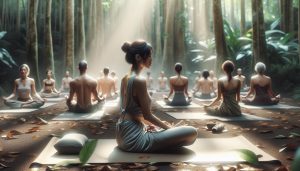
A yoga retreat is more than just an escape from daily life; it is an immersive experience designed to promote wellness, relaxation, and personal growth. Typically held in serene settings, these retreats provide a space where individuals can deepen their yoga practice, learn new techniques, and engage in mindfulness, all while surrounded by like-minded individuals. Participants often engage in daily yoga sessions led by experienced instructors, complemented by workshops focused on meditation, healthy eating, and holistic living, allowing for a complete transformation of both mind and body.
The essence of a yoga retreat lies in its structured yet flexible schedule, enabling attendees to pursue personal goals while participating in communal activities. This blend creates an atmosphere of support and encouragement, facilitating both relaxation and connection. Additionally, many retreats are set in breathtaking locations-from the Himalayan foothills in India to tranquil beaches in Costa Rica-enhancing the overall experience and enabling participants to reconnect with nature.
Retreats also often include essential elements to promote health and wellness beyond yoga practice. Participants can usually benefit from wholesome meals, guided meditations, and activities that enhance mental clarity and physical vitality. This holistic approach encourages attendees to take meaningful steps towards a more balanced lifestyle that they can continue after the retreat, thereby building lasting foundations for health and well-being.
In essence, yoga retreats provide a valuable opportunity to step away from the demands of everyday life, cultivate mindfulness, and embark on a journey of self-discovery and rejuvenation. Whether one is a seasoned practitioner or a curious beginner, these retreats serve as gateways to deeper understanding and practice of yoga as a holistic lifestyle.
Types of Yoga Retreats: Finding Your Perfect Fit
Different yoga retreats cater to varying desires, skill levels, and wellness goals, making it essential to find one that aligns with your specific needs. From beginner-friendly options to advanced yoga practices, the types of yoga retreats are as diverse as the individuals who attend them. Exploring these options can help you discover the ideal retreat that resonates with your personal journey and intentions.
One popular type of yoga retreat is the wellness retreat, which typically incorporates holistic practices like yoga, meditation, and nutrition workshops. These retreats focus on cultivating overall health through various modalities, allowing attendees to rejuvenate both body and mind. Another option is the yoga and adventure retreat, where physical activities such as hiking, surfing, or cycling are combined with daily yoga sessions. This type of retreat appeals to those who wish to stay active while experiencing the beauty of nature.
For individuals seeking a deeper connection to their spirituality, silent retreats or meditation-focused retreats provide a transformative experience. These retreats often involve structured periods of silence and are designed to help participants turn inward, fostering a profound sense of self-awareness and tranquility. Alternatively, those keen on exploring specific yoga styles can find retreats dedicated to styles such as Vinyasa, Ashtanga, or Restorative yoga. These retreats often include intensive training and practices tailored to deepen knowledge and skills in particular methodologies.
When selecting your retreat, consider various elements such as duration, location, and the specific practices offered. Whether you are drawn to a serene beachside location, a cozy mountain lodge, or a lush forest environment, the setting can significantly enhance your experience. Research retreat centers and read reviews to help you gauge the atmosphere and community vibe. Taking the time to identify what resonates with you can lead to a fulfilling and transformative retreat experience tailored to your unique journey.
Essential Terminology: Common Terms Explained
Understanding the terminology associated with yoga retreats can enhance your experience and inform your choices. Familiarizing yourself with these common terms helps you navigate the various offerings and philosophies involved in yoga retreats, thus ensuring that you find the right fit for your personal journey and goals.
Asana
Asana refers to a specific yoga pose or position. It is a fundamental element of yoga practice, designed to promote physical stability and enhance energy flow within the body and mind. Each yoga retreat typically incorporates sessions that emphasize various asanas, tailored to the participants’ levels and desires, whether you’re practicing foundational poses in a gentle retreat or advanced postures in a specialized training.
Meditation
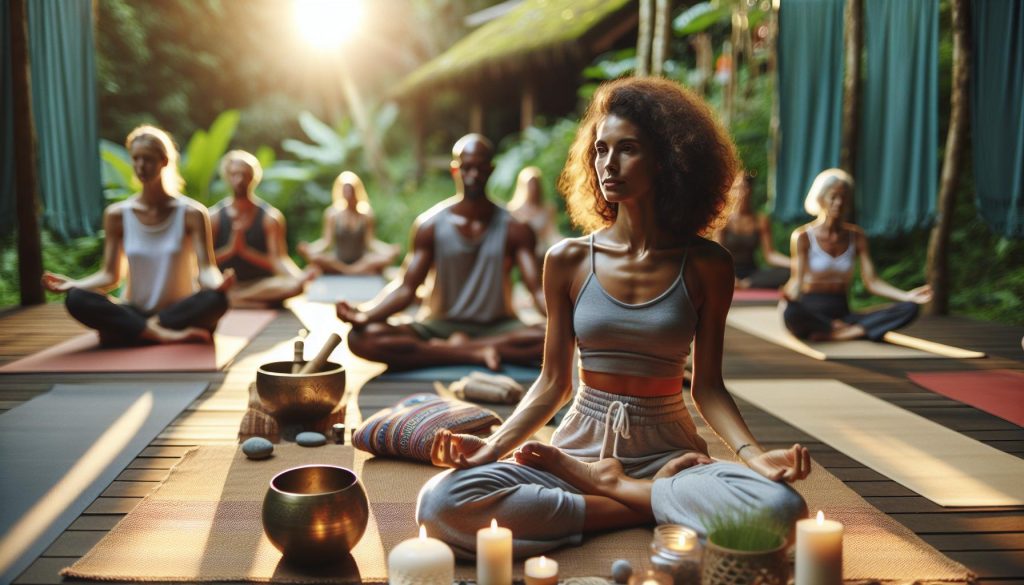
Meditation is a practice that involves focusing the mind to achieve a mentally clear and emotionally calm state. Many yoga retreats include meditation sessions, offering participants an opportunity to deepen their self-awareness and cultivate mindfulness. This is particularly beneficial in retreats designed to promote a spiritual connection, providing tools to enhance your meditation practice both during and after the retreat.
Savasana
Often termed “Corpse Pose,” Savasana is a restorative pose usually practiced at the end of a yoga session. It involves lying flat on your back, allowing the body to relax fully. This pose is essential for integrating the benefits of the asanas practiced during the session. Many retreats emphasize Savasana to help participants absorb their experiences and rejuvenate their bodies.
Ashram
An ashram is a communal space often used for spiritual practice, where individuals can immerse themselves in yoga and meditation. Some retreats may take place in an ashram setting, providing a tranquil environment conducive to deepening one’s practice. Here, participants can benefit from community support and teachings that enhance their comprehension of yoga as a lifestyle.
Retreat Types
Different types of yoga retreats cater to varying interests and wellness goals. For instance, a wellness retreat often encompasses holistic practices beyond yoga, including nutrition, detoxification, and wellness education. Conversely, a silent retreat may focus on meditation and personal reflection, providing time away from distractions to foster inner peace. Understanding these distinctions helps in selecting a retreat aligned with your aspirations.
By grasping these essential terms, you can better prepare for what to expect during your yoga retreat. Whether you are looking to deepen your practice, rejuvenate your body, or explore new spiritual avenues, this knowledge will help you engage more meaningfully with the experience.
Benefits of Attending a Yoga Retreat
Immersing yourself in a yoga retreat can unlock a transformative experience, providing numerous benefits for both your mind and body. By stepping away from the daily grind, participants have the opportunity to dive deeply into their yoga practice, uncovering a sense of peace and self-awareness that can be elusive in everyday life. Yoga retreats often weave together elements of physical activity, mindfulness, and community, creating a holistic approach to wellness.
One prominent advantage of attending a yoga retreat is the chance to deepen your practice. With dedicated time for yoga, participants can explore various styles and techniques under the guidance of experienced instructors. This focused environment enhances flexibility and strength, while also allowing individuals to refine their understanding of asanas (poses) and pranayama (breathing exercises). Some retreats even integrate specialized workshops, enabling practitioners to enhance their skills and explore aspects like alignment, sequencing, or even yoga philosophy.
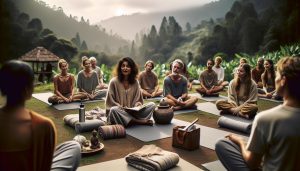
Moreover, yoga retreats often foster a powerful sense of community. Being surrounded by like-minded individuals who share similar wellness goals can cultivate lasting friendships. Participants often share their insights during group sessions, creating a supportive atmosphere that encourages vulnerability and growth. This shared experience, coupled with collective mindfulness practices, can lead to profound emotional connections and a shared bond that extends beyond the retreat.
Additionally, disconnecting from technology and daily distractions allows attendees to reconnect with themselves. This digital detox can reduce stress and promote mental clarity, enhancing overall wellbeing. Many retreats emphasize self-care practices, which may include holistic nutrition and relaxation techniques, making them a prime opportunity for personal revitalization. Ultimately, attending a yoga retreat not only enriches one’s practice but also serves as a catalyst for deeper self-discovery and emotional healing.
What to Expect: Daily Schedules and Activities
The rhythm of a yoga retreat often transcends the chaos of everyday life, drawing participants into a carefully curated daily schedule designed to enhance both practice and personal growth. While the specifics can vary widely from one retreat to another, most offer a blend of yoga sessions, meditation, and personal reflection time, all structured to promote holistic wellness and mindfulness.
Mornings typically commence with a revitalizing yoga session, often starting at sunrise. These morning practices might include gentle stretches, energizing flows, or more challenging sequences, depending on the focus of the retreat. Following yoga, many retreats incorporate meditation or breathwork, allowing participants to center themselves before diving into the day ahead. Mornings are also an ideal time for nourishing breakfast options that fuel the body for a day of exploration and connection.
Throughout the day, participants may engage in a variety of activities such as workshops focused on different yoga styles, philosophy lessons, or mindfulness practices. Some retreats emphasize outdoor activities like hiking, swimming, or journaling in nature, combining the healing properties of movement and the environment. Group discussions and sharing circles can foster a sense of community, enabling participants to bond over experiences and insights.
Evenings often close with restorative yoga or guided meditation, promoting relaxation and reflection on the day’s events. Dinner may be a communal affair, featuring meals prepared with fresh, local ingredients that support the retreat’s health-focused ethos. This rhythm of physical activity, nourishment, and mindful practice beautifully encapsulates what participants can expect, making the experience both transformative and rejuvenating.
In essence, a yoga retreat is not just an escape from daily routines; it offers a structured environment where attendees can deepen their practice while fostering connections with both themselves and others. This intentional blend of daily activities creates a sanctuary for personal growth, relaxation, and renewal.
Location Matters: Popular Destinations for Yoga Retreats
Finding the perfect location for a yoga retreat can significantly enhance your experience, as it not only complements the practice but also enriches the overall atmosphere. From serene beaches to tranquil mountains, the destination sets the tone for your journey of self-discovery and relaxation. Engaging in yoga against the backdrop of nature helps to deepen your connection to the environment and to yourself, bolstering the retreat’s intended benefits.
- Himalayan Foothills, India: Renowned for its spiritual heritage, this region offers breathtaking landscapes combined with a long-standing tradition of yoga. Retreats here often include meditation in ancient temples and exploration of local philosophy.
- Greece: Known for its stunning coastlines and mild climate, Greece’s Euphoria Retreat provides an upscale experience with a focus on holistic wellness and luxury spa treatments. It’s the perfect blend of relaxation and rejuvenation.
- Bali, Indonesia: Often referred to as the world’s wellness capital, Bali boasts lush landscapes and vibrant cultural experiences. Many retreats take advantage of the island’s natural beauty, incorporating outdoor classes amidst rice fields or ocean views.
- Arizona, USA: The desert landscape of Arizona offers unique opportunities for yoga amidst stunning rock formations and sunsets. Hot spring resorts here also provide a natural way to unwind after a day of practice.
These locations not only provide settings conducive to relaxation but also open doors to the surrounding culture and community. Engaging with local traditions and native practices can enrich the retreat experience, offering insights that extend beyond yoga practice. When choosing your destination, consider what environment speaks to you personally-whether it’s the calming water of a beach or the grounding presence of mountains.
Remember, each region has its own unique vibe; therefore, selecting a destination that resonates with your personal spiritual journey will greatly enhance the benefits of your yoga retreat.
How to Choose the Right Yoga Retreat for You
Choosing the right yoga retreat can be a transformative experience, enriching your practice and personal growth. With countless options available globally, finding one that aligns with your needs is essential. Start by considering your primary goals-whether you seek physical rejuvenation, emotional healing, spiritual deepening, or a mix of all three. This clarity will guide your search and ensure you find a retreat tailored to your expectations.
Once your objectives are established, examine the types of yoga retreats available. Some focus strictly on traditional yoga practices like Hatha or Ashtanga, while others may blend yoga with mindfulness practices, meditation, and holistic wellness. Look for retreats that offer specialized themes, such as detox, adventure, or creative expression, to find one that resonates with your interests. Additionally, consider the retreat format; some may offer group settings that foster community, while others provide a more intimate, personalized experience.
As you narrow down your options, also pay close attention to the instructors’ qualifications and teaching styles. Reading reviews and testimonials can provide valuable insights into the instructors’ methods and how they connect with participants. Furthermore, consider logistical factors such as the retreat’s location, duration, and what is included in the package, such as meals and accommodation; these elements can significantly impact your overall experience.
Lastly, don’t overlook the atmosphere and environment of the retreat. A serene setting, such as a beach or a mountain, can enhance your practice and contribute to your overall sense of well-being. Reflect on what type of environment cultivates peace and inspiration for you, whether it’s the sound of ocean waves or the tranquility of a forest. By thoughtfully considering these aspects, you can select a yoga retreat that not only meets your goals but also nourishes your spirit, offering a profound journey into wellness and self-discovery.
Preparing for Your Yoga Retreat: Essential Tips
When anticipating a yoga retreat, thorough preparation can make a significant difference in maximizing your experience. Understanding what to expect can eliminate anxiety and enhance your overall journey into wellness. One crucial step is to familiarize yourself with the retreat schedule and the types of activities offered. Most retreats include a mix of yoga sessions, meditation, workshops, and sometimes excursions to explore the local area. Knowing the daily rhythm in advance allows you to mentally and physically prepare for active participation.
Packing wisely is another essential aspect of your retreat preparations. Soft, flexible clothing designed for yoga sessions is a given, but don’t forget to include layers for cooler nights and outdoor activities. Here’s a handy list of items to consider taking along:
- Yoga Mat: Ensure it’s comfortable and transportable.
- Reusable Water Bottle: Staying hydrated is vital.
- Journal and Pen: Many retreats encourage reflection and journaling.
- Comfortable Shoes: Ideal for nature walks and exploring the area.
- Personal Toiletries: Bring items that make you feel at home.
Another aspect often overlooked is mental and emotional preparation. Before you embark on this retreat, set intentions for your experience. Whether you are looking to deepen your practice, foster connections, or simply unwind, having clear goals in mind can enrich your engagement. Consider engaging in a pre-retreat mindfulness practice, such as meditating or practicing gratitude, to cultivate a positive mindset.
Lastly, be open to new experiences and embrace the spirit of community. Many attendees may be on a similar journey, and forging connections can amplify the benefits of your retreat. Arriving with curiosity and a willingness to step out of your comfort zone is essential for an enriching experience that nourishes both body and soul.
Unique Themes in Yoga Retreats: Beyond the Basics
Participating in a yoga retreat offers much more than just daily practice; it can be an opportunity to explore unique themes that add depth and richness to the experience. Themed retreats create a focused environment, encouraging participants to engage more profoundly with specific aspects of yoga and wellness. While many retreats center on general yoga practices, some carve out niche areas such as mindfulness, creativity, or even specific healing modalities.
Popular Themes in Yoga Retreats
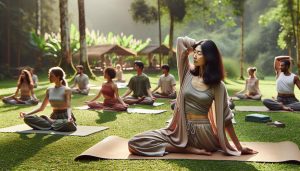
Among the popular themes, transformational retreats focus on personal growth and self-discovery. Participants often engage in activities like journaling, group discussions, and guided meditations aimed at breaking down barriers and fostering inner change. Another appealing option is the nature-themed retreat, where yoga sessions are typically held outdoors, allowing participants to absorb the healing qualities of the natural world. This connection with nature not only enhances physical practice but also helps cultivate a deep sense of peace.
Similarly, wellness-centric retreats often incorporate aspects of nutrition, detoxification, and holistic health practices alongside yoga. These retreats may offer cooking classes, workshops on herbal medicine, or lectures from health experts, creating a comprehensive wellness experience that promotes healthy lifestyle habits long after the retreat ends.
Creative and Mindfulness Themes
For those looking to explore their artistic side, creative retreats combine yoga with activities like painting, writing, or music, encouraging participants to express themselves through different mediums. Often, these retreats include guided sessions that help individuals tap into their creative potential and discover how movement can inspire artistic expression.
Additionally, mindfulness retreats focus specifically on cultivating awareness both on and off the mat. Here, daily practices may include not only yoga but also techniques like breathwork, meditation, and conscious eating, training attendees to integrate mindfulness into every aspect of daily life. By immersing oneself in these themes, participants can expect to leave the retreat with a sense of accomplishment and a plethora of new tools for continued growth.
In summary, unique themes in yoga retreats significantly enrich the participants’ experience, allowing for specialized focus and a deeper understanding of the multifaceted practice of yoga. Whether discovering creativity, enhancing wellness, or fostering personal transformation, themed retreats offer valuable opportunities to connect with oneself and others in meaningful ways.
Common Misconceptions About Yoga Retreats
Many people have a narrow view of yoga retreats, often clouded by misconceptions that can deter them from participating. One of the most prevalent myths is the belief that yoga retreats are only suitable for advanced practitioners. In reality, yoga retreats are designed to accommodate practitioners of all levels, providing a nurturing environment where everyone can grow and learn, regardless of their previous experience. This inclusivity ensures that new yogis can enjoy the benefits of retreat programs without feeling intimidated by perceived expectations.
Another common misconception is that attendees must adhere to specific dietary restrictions, such as vegetarianism or veganism. While many retreats do promote healthy eating and may offer plant-based meals, they are generally welcoming of various dietary preferences and restrictions. This flexibility allows participants to focus on their practice without feeling compelled to conform to a particular lifestyle.
Time constraints often prevent potential participants from attending retreats, with many believing they cannot afford to take time off from work or family commitments. However, many retreats offer flexible scheduling and shorter programs, including weekend retreats, making it possible for even the busiest individuals to enjoy a rejuvenating experience.
Lastly, some may assume that retreats are purely about yoga, overlooking the broader wellness aspects such as relaxation, community building, and personal reflection. These retreats often incorporate activities that cultivate mental and emotional well-being, bridging the gap between physical practice and holistic health. With a focus on relaxation, meditation, and even creative outlets, yoga retreats present a multifaceted approach to wellness that can benefit anyone looking to recharge and reconnect with themselves.
By understanding these misconceptions, individuals can approach the idea of a yoga retreat with a clearer perspective, allowing them to harness the transformative potential such experiences can offer.
Pricing and Costs: What You Need to Know
Understanding the financial commitment of attending a yoga retreat can transform your perspective and help set realistic expectations. Prices for yoga retreats can vary tremendously based on several factors, including location, amenities, duration, and experiences offered. For instance, budget-friendly retreats may start as low as $500, while luxury options can soar up to $3,000 or more depending on the range of services included, such as gourmet meals, private accommodations, and additional wellness activities like spa treatments or excursions [3[3].
When exploring your options, it’s essential to consider what is included in the price. Many retreats offer all-inclusive packages that cover accommodation, meals, yoga sessions, and sometimes even additional wellness activities. However, others may have a more basic structure, requiring guests to cover certain expenses separately. For example, a retreat in a popular destination like Ubud, Bali, might run between $100 to $125 per day for an all-inclusive experience, summing up to a total cost of around $3,000 to $3,500 for a week-long stay [1[1].
It’s also wise to keep in mind the value of the experience relative to the cost. Consider the benefits you seek, whether relaxation, learning new techniques, or the chance to connect with like-minded individuals. Comparing the costs across different retreats can reveal options that not only fit your budget but also align with your wellness goals. Remember that investing in a retreat is not just about the current expense; it’s often about the long-term benefits to your well-being and peace of mind.
Ultimately, researching various retreats allows you to make an informed decision that combines affordability with the quality of experience you desire. Be open to both local and international options, as numerous budget retreats worldwide cater to all kinds of practitioners. With appropriate planning, you can find a retreat that fits your needs while providing enriching experiences.
Creating a Personal Yoga Retreat Experience at Home
can be an enriching and transformative way to deepen your practice without the need for travel. By intentionally designing a space and schedule that promotes mindfulness and relaxation, you can emulate the calming environment of a traditional retreat right in your own living space.
Start by selecting a serene area in your home where you can practice without interruptions. This might be a spare room, a corner of your garden, or even your living room with the furniture rearranged. Make the space inviting with elements like soft lighting, comfortable cushions, and calming scents from candles or essential oils. Surround yourself with nature if possible, and consider adding plants to evoke an outdoor retreat ambiance.
Crafting Your Schedule
Plan a daily schedule that mirrors the flow of a typical yoga retreat. Include a variety of activities that engage both the body and mind:
- Morning Yoga Session: Start your day with an energizing morning flow to awaken your body.
- Meditation: Designate time for guided or silent meditation to cultivate mindfulness.
- Nourishing Meals: Prepare healthy, wholesome meals that nourish both body and spirit. Consider meal prepping to reduce daily stress about cooking.
- Workshops or Learning: Dedicate time for yoga philosophy, anatomy, or even a new style of yoga that you’ve been curious about.
- Evening Reflection: Conclude your day with journaling or an evening restorative yoga session to reflect on your experiences.
Enhancing the Experience
To deepen your retreat experience, integrate activities that promote relaxation and connection to self. These can include:
- Nature Walks: Spend time outdoors to reconnect with nature. Even a short walk in a nearby park can be rejuvenating.
- Digital Detox: Disconnect from your devices to minimize distractions and enhance your present-moment awareness.
- Mindful Practices: Explore other forms of mindfulness, such as art, music, or cooking, which can offer additional fulfillment.
By thoughtfully arranging your home environment and daily schedule, you can create a personal retreat that nurtures your well-being while deepening your yoga practice. This approach allows for continued growth and self-care in your everyday life, reflecting the commitment often found in group retreats.
Faq
Q: What is the difference between a yoga retreat and a yoga workshop?
A: A yoga retreat typically involves a longer stay in a dedicated location, focusing on relaxation and personal development, while a yoga workshop is usually a shorter event that emphasizes skill-building or deep dives into specific practices. Learn more about types of yoga retreats in the article.
Q: Are yoga retreats suitable for beginners?
A: Yes, many yoga retreats cater to beginners, offering classes that accommodate all skill levels. Participants can enjoy a supportive environment while developing their practice. Check the “Types of Yoga Retreats” section for options that suit beginners.
Q: How long do yoga retreats usually last?
A: Yoga retreats can vary in duration, typically lasting anywhere from a weekend (2-3 days) to a week or more. The length often impacts the depth of the experience and activities offered. Explore “What to Expect” in the article for details on daily schedules.
Q: What should I look for in a yoga retreat?
A: When choosing a yoga retreat, consider factors such as the instructor’s experience, the retreat’s location, types of yoga offered, and food arrangements. It’s essential to match the retreat’s style with your personal goals. Refer to the “How to Choose the Right Yoga Retreat for You” section for guidance.
Q: What types of yoga practices are commonly included in retreats?
A: Common yoga styles featured in retreats include Hatha, Vinyasa, Yin, and restorative yoga. Many retreats also incorporate meditation, breathing exercises, and workshops focused on wellness topics. For a broader view, see “Types of Yoga Retreats.”
Q: Can I attend a yoga retreat alone?
A: Absolutely, attending a yoga retreat alone is quite common and can be a rewarding experience. Many solo attendees find it a great way to connect with others and deepen their practice. Check “Common Misconceptions About Yoga Retreats” to see how group dynamics work.
Q: What should I pack for a yoga retreat?
A: Pack comfortable yoga attire, personal items, a yoga mat (if not provided), and any preferred props like blocks or straps. Additionally, consider packing a journal or book for reflection. For further advice, refer to “Preparing for Your Yoga Retreat: Essential Tips.”
Q: How much does a typical yoga retreat cost?
A: Costs for yoga retreats can range significantly based on location, duration, and included amenities. While some may seem expensive, many include meals, lodging, and classes, making them valuable for the experience provided. See “Pricing and Costs” in the article for more insights.
To Conclude
As you explore the various terms and types of yoga retreats, remember that the right experience can profoundly impact your wellness journey. Whether you seek relaxation, rejuvenation, or community connection, understanding these distinctions empowers you to choose wisely. Don’t wait to discover your perfect retreat; dive deeper into the world of wellness travel today!
For more insights, check out our articles on creating unforgettable retreat experiences and effective planning strategies that can enhance your participation or organization of such events. Are you ready to embark on this transformative journey? Sign up for our newsletter for exclusive tips, or explore our planning resources to complement your search for the ideal retreat. Share your thoughts with us in the comments below-let’s keep this conversation going and inspire each other on our paths to wellness!
Get our latest guides, news, and insights highlighted in your Google Search & AI Overviews.