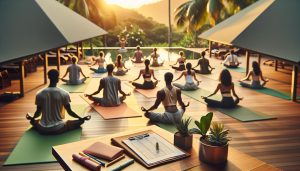
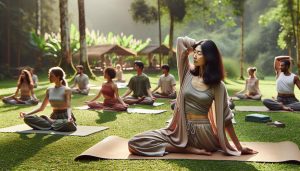
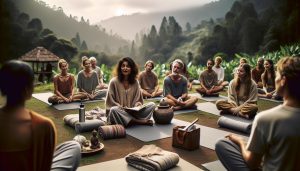
Imagine stepping away from the daily grind and immersing yourself in a serene environment where your mind, body, and spirit can truly rejuvenate. A yoga retreat offers an opportunity to deepen your practice while surrounded by like-minded individuals, all seeking tranquility and personal growth. In this guide, we’ll explore the diverse activities and experiences you can expect at a yoga retreat, from invigorating asanas to transformative meditation sessions. Whether you’re a seasoned yogi or a curious beginner, understanding the benefits and unique offerings of these retreats will empower you to choose the right one for your wellness journey. Join us as we delve into the enriching world of yoga retreats, designed to help you reset, recharge, and rediscover yourself.
What to Expect at a Yoga Retreat
At a yoga retreat, participants embark on a journey that transcends typical practice, blending physical activity with mindfulness, community, and self-discovery. The atmosphere is often intentionally designed to promote relaxation and introspection, allowing attendees to disconnect from daily distractions and fully immerse themselves in the retreat experience. Expect a structured schedule that includes daily yoga classes tailored to various experience levels, meditation sessions, and chances to engage in thoughtful discussions centered around wellness and personal growth.
One key benefit of attending a yoga retreat is the opportunity to explore various styles of yoga and meditation practices. Participants can expect to experience everything from Hatha and Vinyasa to more restorative styles like Yin or Nidra. Often, the diversity of instruction will encourage individuals to step out of their comfort zones and try new practices that may enrich their routine back home. The retreat might also include specialized workshops focused on topics such as breathwork, alignment techniques, and managing stress through yoga.
Meals at yoga retreats are typically nourishing and thoughtfully prepared, emphasizing whole foods that support well-being. Often, dietary considerations are taken seriously, with options available for vegetarians, vegans, and those with specific food allergies. These meals not only serve to fuel the body’s needs for physical activity but also to enhance the overall experience of mindfulness and care present at the retreat.
Moreover, many attendees find deep connections through shared experiences during the retreat. Group activities, facilitated discussions, and moments of reflection foster a sense of community, creating lasting bonds among participants. Whether it’s through shared meals, partner yoga, or creative outlets like journaling or art, the collective experience often leads to valuable networking opportunities and friendships that extend beyond the retreat. Expect the environment to be one of support and encouragement, where individual journeys of self-discovery are honored and celebrated.
Unique Activities Offered in Yoga Retreats
At a yoga retreat, the experience goes far beyond just practicing yoga. Participants engage in a variety of unique activities designed to enhance their physical, mental, and emotional well-being. From interactive workshops to art therapy sessions, these experiences provide opportunities for exploration, growth, and relaxation in a supportive environment.
Engaging Activities Beyond Yoga
Many retreats incorporate holistic practices such as *breathwork* and *sound healing*, which can be transformative. Breathwork sessions help deepen participants’ connection to their breath, enabling them to reduce stress and increase mindfulness. Sound healing, often using tools like singing bowls and gongs, creates a meditative atmosphere that encourages relaxation and emotional release.
Another popular offering is *nature immersion activities*. Whether it’s hiking in serene landscapes, swimming in natural waters, or simply meditating outdoors, these activities help participants reconnect with nature, fostering a sense of tranquility. The integration of nature enhances the overall experience, promoting a sense of peace and grounding.
Creative and Expressive Workshops
Artistic expression can also play a key role in retreats, with many offering *creative workshops* in activities such as painting, pottery, or journaling. These sessions allow participants to tap into their creativity, providing a therapeutic outlet for self-expression. Not only do these creative activities promote relaxation, but they also encourage self-discovery and the exploration of personal insights.
Moreover, *cooking classes* focused on nutritious meal preparation are common at many retreats. These sessions teach participants how to prepare healthy, flavorful meals that support their well-being, providing skills they can take home with them. Sharing these meals together creates an additional layer of community bonding, enriching the retreat experience.
Incorporating these unique activities helps to foster a holistic environment that supports personal growth and well-being, ensuring participants leave feeling rejuvenated, inspired, and connected to both themselves and others.
Mindfulness and Meditation Practices
Engaging in during a yoga retreat offers participants an invaluable opportunity to cultivate inner peace and clarity. These practices not only enhance the physical aspects of yoga but also deepen the mental and emotional benefits, setting the groundwork for lasting personal transformation. Mindfulness encourages awareness of the present moment, helping individuals connect with their thoughts and feelings in a non-judgmental way. By devoting time to meditation, participants can experience significant reductions in stress and anxiety, paving the way for richer, more fulfilling lives.
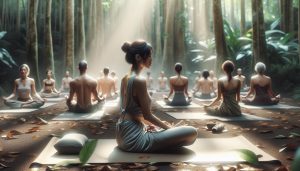
In many retreats, guided meditation sessions are a staple, often led by an experienced instructor who creates a supportive environment. These sessions may focus on various themes such as loving-kindness, gratitude, or body scan techniques, each aimed at fostering awareness and compassion. The tranquil surroundings of a retreat setting-be it by the ocean, mountains, or lush forests-greatly enhance these experiences, allowing participants to feel more grounded and connected to nature while meditating. Practicing mindfulness through meditation helps develop concentration and emotional resilience, which participants can carry into their daily lives long after the retreat ends.
In addition to structured meditation sessions, attendees might also engage in informal mindfulness practices throughout the day. These activities include meditative walking, where participants focus on each step they take, or mindful eating during meals to savor flavors and textures without distraction. Such practices are designed to integrate mindfulness into everyday activities, strengthening the habit and making it easier to remain present outside the retreat context. By combining structured meditation with daily mindfulness techniques, retreats empower participants to cultivate a more mindful lifestyle, encouraging a deeper connection to themselves and their surroundings.
Furthermore, many retreats also introduce pranayama exercises-yogic breathing techniques that promote mindfulness. These techniques help participants develop a keen awareness of their breath, which is a powerful tool for calming the mind. By focusing on inhalation and exhalation, attendees learn to enhance their mental clarity and emotional stability, ultimately enriching their overall retreat experience. In this way, act as a transformative cornerstone of any yoga retreat, fostering an environment of personal growth and self-discovery.
Wellness Workshops and Educational Sessions
Participating in during a yoga retreat can significantly enhance your understanding of holistic health and well-being, while also providing practical tools to incorporate into daily life. These gatherings typically host a variety of sessions led by experienced facilitators, ranging from nutritionists to mindfulness coaches, covering diverse topics that equip participants with valuable insights and strategies for living a healthier and more balanced life.
Types of Workshops Offered
Workshops may touch on a multitude of themes, including but not limited to:
- Nutrition and Healthy Eating: Sessions may explore plant-based cooking, meal prepping, and the benefits of wholesome foods that nourish both the body and mind.
- Mindfulness and Stress Management: Workshops focusing on techniques like guided imagery, breathwork, and stress-reduction strategies offer participants valuable tools to manage daily stressors.
- Self-Care Practices: Attendees learn about various self-care routines that they can customize to suit their individual needs, promoting long-term wellness.
- Yoga Philosophy: Workshops that delve into the historical and philosophical underpinnings of yoga can deepen practitioners’ understanding and appreciation of their practice.
Engagement in these sessions allows for a deeper exploration of holistic practices, contributing to personal growth and increased self-awareness.
Real-World Applications
The knowledge gained through these workshops is not only theoretical but also highly applicable. Participants can request hands-on activities, such as cooking demonstrations or practical exercise routines, which translate directly to everyday skills. For instance, a workshop emphasizing healthy meal preparation may culminate in a group cooking session, wherein attendees collaborate to create nutritious dishes that reinforce the lessons learned.
Moreover, educational sessions often foster an interactive atmosphere, encouraging questions and sharing of personal experiences. This exchange of ideas and tips among attendees can create a sense of community and support, essential for sustaining new habits post-retreat.
In essence, at yoga retreats are designed to impart essential knowledge while allowing participants to forge meaningful connections, fostering a community committed to holistic health and well-being. This integration of learning and practice truly enhances the transformative experience that a yoga retreat offers.
Types of Yoga Classes Available
At a yoga retreat, participants can immerse themselves in a variety of yoga classes tailored to different levels and preferences, enhancing both physical practice and personal growth. Whether you’re a seasoned practitioner or new to yoga, these diverse offerings cater to individual needs and goals, allowing everyone to find their own unique path to wellness.
Hatha Yoga
Hatha yoga is often considered the traditional approach to yoga practice, focusing on the alignment of body and breath. Classes typically include a combination of postures (asanas), breath control (pranayama), and relaxation techniques. This style is perfect for beginners who want to learn foundational poses in a gentle and supportive environment, while also benefiting more experienced practitioners seeking to deepen their practice.
Vinyasa Yoga
Known for its dynamic sequences, Vinyasa yoga links breath with movement, allowing participants to flow from one pose to another seamlessly. This class type can be invigorating and provides an excellent cardiovascular workout. It is ideal for those looking for a more energetic practice that still maintains mindfulness and presence throughout the session.
Restorative Yoga
For individuals seeking relaxation and stress relief, restorative yoga offers a serene experience. Classes are designed to use props to support the body in gentle, restorative poses over extended periods. This practice focuses on calming the nervous system and promoting deep relaxation, making it particularly beneficial for those dealing with stress or recovery from injury.
Yoga Nidra
Yoga Nidra, or yogic sleep, is a powerful practice for deep relaxation and meditation. Participants lie comfortably, guided through a series of visualizations and body awareness techniques that lead to a state of profound rest, often resulting in a sense of rejuvenation and mental clarity. This class can be particularly useful for those who find it challenging to unwind.
Specialty Classes
Many retreats also offer specialty classes that may include themes like aerial yoga, yin yoga, or even partner yoga. These unique experiences can introduce participants to new methods of movement and mindfulness, helping to expand their practice and explore different aspects of yoga’s vast landscape.
With such a varied selection of classes available, participants are encouraged to try different styles throughout their retreat. This exploration not only enhances their yoga practice but also fosters a deeper connection to their own bodies and minds, ultimately making the retreat an enriching and transformative experience.
Nourishing Meals and Dietary Considerations
A retreat isn’t just a physical journey; it’s a holistic experience that nourishes both the body and soul, starting with the food. At yoga retreats, culinary offerings are often designed to complement the yoga practice, focusing on wholesome, organic meals that promote health and vitality. Seasonal ingredients sourced locally are typically emphasized, ensuring freshness and supporting the local economy, while also catering to various dietary needs.
Meals at a yoga retreat are more than just sustenance; they are a celebration of nourishment that fosters connection and mindfulness. Participants can expect a diverse range of cuisine, from vegetarian and vegan options to gluten-free and raw food selections, accommodating various dietary restrictions and preferences. Frequent communal dining arrangements not only enhance the social aspect of the retreat but also encourage a shared appreciation for food as fuel for both body and spirit.
Key Dietary Considerations
Encouraging mindful eating is paramount at yoga retreats. Participants are often guided to savor each bite, paying attention to flavors, textures, and the overall experience of eating. This practice can enhance awareness, helping individuals recognize their body’s hunger and satiety cues.
Moreover, many retreats may offer classes or workshops focused on nutrition-educating participants on the benefits of certain foods, meal planning, and cooking techniques that they can incorporate into their daily lives after the retreat ends.
Sample Meal Ideas
Common meal ideas may include:
- Breakfast: Smoothie bowls topped with fresh fruits, nuts, and seeds.
- Lunch: Quinoa salads with seasonal vegetables and homemade dressing.
- Dinner: Grilled vegetable platters accompanied by plant-based proteins.
Such thoughtful attention to meals allows participants to nourish their bodies properly, enhancing their overall experience and ensuring that they leave the retreat feeling revitalized and inspired.
Connecting with Nature During Retreats
There’s an undeniable magic in the way yoga retreats often blend mindfulness practice with the serenity of the natural world. Immersing oneself in nature can enhance the benefits of yoga, allowing participants to deepen their practice while reconnecting with the environment. Whether nestled in a forest, perched atop a mountain, or alongside a calming ocean, the setting of a retreat creates a unique opportunity to harmonize body and spirit with the rhythms of nature.
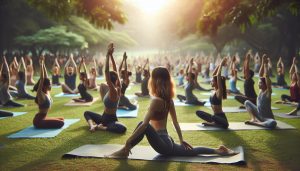
The chance to practice yoga outdoors is one of the most invigorating aspects of these retreats. Sessions held at sunrise or sunset can be particularly transformative, with the natural light enhancing the atmosphere of peace and calm. Imagine stretching into Downward Dog as the sun rises, the soft sounds of the dawn breaking around you, or engaging in a restorative practice while the sun dips below the horizon. Outdoor classes often encourage the rise in energy and focus, leading to deeper connections to the poses and self-awareness that can carry over into daily life.
Nature walks and hikes are commonly included in retreat schedules, further fostering this connection. These excursions serve as a reminder of the beauty that lies in both stillness and movement. Guided nature walks can foster a sense of mindfulness as participants are encouraged to engage their senses, absorbing the sights, sounds, and smells of their surroundings. These experiences can be both meditative and invigorating, complementing yoga practices by allowing participants to explore their surroundings and their inner selves simultaneously.
During retreats, many participants engage in reflective practices like journaling or art therapy, often inspired by the breathtaking vistas surrounding them. This integration of creative expression and nature can help to unlock deeper insights and contribute to personal growth. Moreover, simply spending time in natural environments has been shown to reduce stress and elevate mood, amplifying the overall wellness experience of the retreat. The combination of yoga, nature, and community cultivates a restorative space where ceilings of self-limiting beliefs can be shattered, inviting participants to explore new dimensions of themselves.
In conclusion, the integration of nature into yoga retreats not only enriches the practice but also facilitates a profound sense of peace and connection, making these experiences invaluable for both physical health and personal growth.
Networking and Community Building Opportunities
The atmosphere of a yoga retreat is ripe for forming connections that can extend well beyond the duration of the event. As participants come together with shared intentions-be it rejuvenation, self-exploration, or stress relief-the opportunities for networking and community building emerge naturally. Engaging in dialogues during yoga classes, sharing meals, and partaking in group activities create a sense of belonging that enhances the overall experience.
Group discussions often play a pivotal role in fostering connections. These sessions allow participants to share their personal journeys, insights, and practices, acting as a platform for mutual support and learning. Consider organizing breakout sessions where attendees can connect on specific interests or challenges, helping to cultivate a network of like-minded individuals. Sharing experiences can spark friendships and collaborations that persist long after the retreat ends.
Community Activities are another cornerstone of networking at retreats. Activities like partner yoga, team-building exercises, or creative workshops promote collaboration and interaction among participants. These shared experiences not only enhance personal growth but also foster rapport. Consider introducing ice-breaker activities on the first day to help participants feel comfortable opening up, which can lead to deeper conversations as the retreat progresses.
Moreover, many retreats encourage ongoing networking through social media groups or community forums. Facilitating a means of communication post-retreat allows attendees to stay connected, share resources, and support one another’s journeys. Being part of a community that shares a commitment to mindfulness and well-being can be an invaluable resource for personal development, providing inspiration and accountability long after they return home.
Ultimately, the connections made during a yoga retreat can be transformative. By embracing the communal aspects of these experiences, participants not only enrich their own journeys but also contribute to a supportive and nurturing environment for everyone involved.
Personal Growth and Self-Discovery Experiences
Participants at a yoga retreat often find themselves on a journey of profound personal growth and self-discovery. Stepping away from daily distractions, they can explore their inner selves in a supportive environment. This exploration is facilitated by a variety of activities designed to prompt reflection and enhance self-awareness.
Yoga sessions-ranging from gentle restorative classes to more challenging vinyasa flows-serve as a foundation for this journey. As participants engage in physical movement, they may uncover emotional blocks or insights that arise within their practice. Incorporated meditation sessions further enhance the experience, allowing individuals to quiet the mind and listen to their intuition. Engaging in journaling or art therapy can also be powerful tools for processing experiences and feelings, providing a creative outlet for self-expression.
Guided Workshops
Many retreats feature workshops focused on self-improvement themes, such as mindfulness, stress reduction, or personal empowerment. These sessions often include interactive elements that encourage sharing personal stories and experiences. Such sharing not only normalizes struggles but also allows participants to learn from one another, fostering a sense of community and collective growth. This shared vulnerability can lead to breakthroughs, helping individuals discover their true values, aspirations, and paths forward.
With a holistic approach, yoga retreats may also incorporate practices such as wilderness therapy or nature immersion, recognizing the profound impact that nature can have on emotional well-being. Spending time outdoors can facilitate personal reflection and connection to the self, enhancing the overall transformative experience. Ultimately, the combination of physical, mental, and emotional work during a yoga retreat equips attendees with the tools to cultivate a deeper understanding of themselves and a renewed sense of purpose in their daily lives.
Retreat Locations: Choosing the Right Destination
Choosing the perfect location for a yoga retreat can significantly enhance your overall experience, allowing you to fully immerse yourself in relaxation and self-discovery. The right destination not only shapes the atmosphere of the retreat but can also influence your mental and emotional well-being. From serene beaches to tranquil mountains, diverse environments offer unique benefits that cater to different needs and preferences.
When selecting a retreat location, consider the natural surroundings. For instance, coastal retreats can provide the soothing sounds of the ocean, which may enhance your meditation practice, while mountain retreats often offer breathtaking views that inspire reflection and a sense of peace. Here are a few factors to ponder when narrowing down your options:
- Scenic Beauty: Look for places that resonate with your sense of tranquility-whether it’s lush forests, serene lakes, or picturesque coastlines.
- Accessibility: Consider how easy it is to reach the destination. Proximity to major transportation hubs might be crucial if you’re traveling from afar.
- Cultural Experiences: Some retreats are situated in areas rich with traditions and local customs. Engaging with the local culture can enhance your retreat experience and broaden your perspective.
- Climate: Check the weather during your planned retreat. A temperate climate can provide comfortable conditions for outdoor yoga sessions and exploration.
While some retreats are designed to be more luxurious, offering spa-like amenities and gourmet meals, others may focus on raw, authentic experiences that bring you closer to nature and simpler living. Prioritize what matters most to you. Would you prefer a rustic setting that encourages a digital detox, or a luxurious escape that allows for indulgent self-care?
In addition to the surrounding beauty and amenities, consider the community vibe of the retreat. Smaller, intimate settings might foster deeper connections with fellow participants, while larger retreats could offer a wider range of classes and sessions. Research the facilitators and their teaching styles to align their approach with your personal yoga goals. Ultimately, the ideal location should resonate with your intentions for the retreat, creating a supportive environment that encourages growth, connection, and rejuvenation.
Preparing for Your First Yoga Retreat
When stepping into the realm of your first yoga retreat, preparing adequately can significantly enhance your experience. A yoga retreat is not just a getaway; it’s an opportunity for deep personal transformation, mindfulness, and connection with both nature and community. To make the most out of your retreat, start by setting clear intentions. Reflect on what you hope to achieve-whether it’s relaxation, self-discovery, or developing a consistent yoga practice. Having a purpose will guide your journey and help you stay focused amidst the diverse activities offered.
Packing wisely is another crucial preparation step. Aim for comfort and versatility in clothing. Bring several yoga outfits that allow for unrestricted movement, as well as layers to accommodate varying temperatures during both indoor and outdoor sessions. Don’t forget essentials like a reusable water bottle, personal yoga mat (if desired), and perhaps a journal to capture your insights and reflections throughout your retreat.
Health and wellness practices extend beyond yoga; consider dietary needs and preferences. Many retreats emphasize nourishing, plant-based meals, so anticipate adjustments to your typical dietary routine. If you have specific dietary restrictions, communicate them in advance to the retreat organizers, ensuring your meals align with your nutritional needs.
Lastly, embrace the idea of digital detox. Consider limiting screen time, allowing yourself to be fully immersed in the retreat experience. This break from technology can deepen your mindfulness and connection with the present moment, enhancing the transformative potential of your time away. However, do bring your phone for essential communication or emergency purposes-but aim to keep it out of sight during yoga sessions and workshops. By preparing thoughtfully, you open the door to a more enriching and fulfilling retreat experience that resonates long after you return home.
Tips for Making the Most of Your Retreat Experience
Immersing yourself in a yoga retreat is not just about practicing yoga; it’s about enhancing your overall well-being and creating lasting memories. To fully embrace this transformational experience, consider a few strategic tips that can elevate your time away and foster a deeper connection with yourself, others, and the environment.
Stay Open and Flexible
While it’s essential to set intentions for your retreat, remaining open to new experiences can lead to unexpected joys and insights. Attend classes or workshops that may not align with your usual practice; you might discover new techniques or philosophies that resonate with you. Flexibility extends beyond your yoga practice-embrace spontaneity in social interactions and activities as well.
Engage with the Community
A retreat is a unique opportunity to connect with like-minded individuals. Take the time to engage in conversations, share meals, and participate in group activities. Building these connections can foster a sense of belonging and support, making your experience even more enriching. Consider sharing your goals and aspirations with fellow participants; you might find a new friend or mentor in the process.
Incorporate Reflection Time
Amid the busy schedule of yoga classes and workshops, make time for personal reflection. Carving out moments in your day for journaling or meditative solitude can enhance your self-discovery journey. Use this time to process your thoughts and feelings, ensuring that you can integrate the lessons learned during the retreat into your daily life.
Respect Your Limits
While engagement is key, it’s equally important to listen to your body and mind. If you feel fatigued or overwhelmed, give yourself permission to step back from certain activities. This self-care approach not only prevents burnout but also allows for deeper integration of what you’re learning. Remember, the retreat is your personal journey; prioritize your well-being.
By embracing these principles, you can unlock a more profound and satisfying experience at your yoga retreat, returning home not only refreshed but with new perspectives and connections that can last a lifetime.
Frequently Asked Questions
Q: What types of yoga styles can I practice at a yoga retreat?
A: Yoga retreats often offer a variety of styles, including Hatha, Vinyasa, Kundalini, and Yin yoga. This diversity allows participants to explore different practices that suit their needs, whether for relaxation, strength building, or spiritual growth. Be sure to check the retreat schedule for specifics.
Q: How can I prepare physically for a yoga retreat?
A: To prepare physically, start practicing yoga regularly a few weeks before your retreat. Focus on building flexibility and strength through various poses. Staying hydrated and maintaining a balanced diet will also enhance your experience. Check out the retreat’s specific activities to tailor your practice accordingly.
Q: What should I pack for a yoga retreat?
A: Essential items include comfortable clothing for yoga, a mat, water bottle, and journal for reflections. Sunscreen, insect repellent, and reusable containers for meals are also beneficial. Check with your retreat for any specific requirements or suggested items to ensure a comfortable stay.
Q: Are yoga retreats suitable for beginners?
A: Yes, many yoga retreats cater to all skill levels, including beginners. They provide guided instructions and allow personalized practice, making it a welcoming space for newcomers. Look for retreats specifically mentioned as beginner-friendly.
Q: Can I participate in activities other than yoga at a retreat?
A: Absolutely! Most yoga retreats offer additional activities like hiking, meditation sessions, and wellness workshops. Engaging in these can enhance your overall experience and promote relaxation. Review the retreat’s itinerary for a complete list of activities available.
Q: What are the benefits of attending a yoga retreat?
A: Attending a yoga retreat allows for immersion in practice, stress relief, and the opportunity to connect with like-minded individuals. It also facilitates personal growth and self-discovery in a serene environment, enhancing your overall wellness journey.
Q: How do I choose the right yoga retreat for my needs?
A: Consider factors like location, type of yoga offered, duration, and the retreat’s focus, such as wellness or meditation. Read reviews and consult the schedule to ensure it aligns with your goals and preferences for an enriching experience.
Q: What kind of meals can I expect at a yoga retreat?
A: Most yoga retreats provide healthy, nourishing meals that cater to various dietary preferences, such as vegetarian, vegan, or gluten-free. Meals are often designed to enhance energy levels and promote overall well-being, complementing the yoga practice. Be sure to inform the retreat of any dietary restrictions.
Future Outlook
As you consider embarking on a transformative yoga retreat, remember that these experiences are more than just a getaway; they’re opportunities for profound personal growth and connection. The diverse activities-from mindful meditation to enriching workshops-offer you a chance to rejuvenate your spirit and deepen your practice. Don’t miss out on the chance to enhance your wellness journey; take that leap today!
If you’re eager to learn more about the types of retreats available, check out our guides on wellness retreats and travel logistics to ensure a seamless experience. Consider signing up for our newsletter to stay updated on the latest trends in wellness travel and enriching retreats. Your path to greater well-being starts now-discover all the resources you need to plan your perfect escape and transform your life! Share your thoughts in the comments below, and let’s connect on this journey together!
Get our latest guides, news, and insights highlighted in your Google Search & AI Overviews.