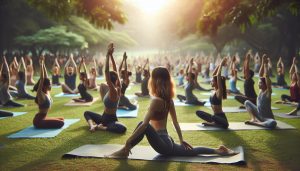
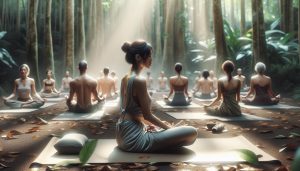
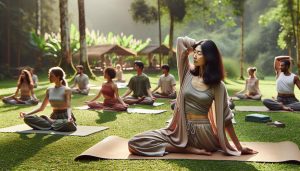
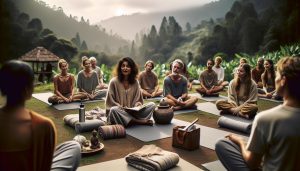
In our fast-paced lives, finding deep rest can feel like an elusive goal. A Yoga Nidra retreat offers a unique opportunity to experience profound relaxation and healing through a guided meditation practice. This ancient technique allows participants to enter a state of conscious sleep, promoting emotional and physical wellness, reducing stress, and enhancing overall well-being. Whether you’re seeking relief from anxiety, recovering from fatigue, or simply looking to reconnect with yourself, a Yoga Nidra retreat provides the perfect environment for deep self-discovery and rejuvenation. Explore what happens during these transformative retreats and how they can help you cultivate a lasting sense of peace and balance in your life.
Understanding Yoga Nidra: Benefits and Practices
Engaging in Yoga Nidra can significantly enhance your journey toward deep relaxation and rejuvenation, making it a popular practice during retreats focused on healing. This technique, often referred to as “yogic sleep,” guides practitioners into a state of conscious awareness between wakefulness and sleep, allowing for profound rest and healing. The benefits of Yoga Nidra extend beyond simple relaxation; regular practice can improve sleep quality, reduce stress, and foster emotional resilience.
Participants can expect to explore practices that often include guided relaxation, body awareness, and visualization techniques. This practice not only calms the mind but also releases physical tension by systematically guiding practitioners through various relaxation stages. As individuals engage with their inner experiences, they can cultivate a greater sense of self-awareness and clarity, which is integral to personal growth.
To maximize the benefits of Yoga Nidra, it’s important to create a serene environment during sessions. A quiet space, comfortable props like bolsters or blankets, and ambient sounds can all contribute to a supportive atmosphere that encourages deep rest. This intentional setting helps to facilitate full immersion in the practice, allowing participants to let go of distractions and embrace the healing process.
Incorporating Yoga Nidra into a retreat experience not only offers participants relaxation but also empowers them with techniques to manage stress and reconnect with themselves. This combination of deep rest and practical skills can lead to lasting transformations in both body and mind.
What to Expect on a Yoga Nidra Retreat
Participating in a Yoga Nidra retreat is an immersive experience designed to foster deep relaxation and self-discovery. From the moment you arrive, a sense of peace envelops you, creating an ideal environment for introspection and healing. As you settle into the rhythm of the retreat, you will find that each day is filled with carefully curated practices aimed at quieting the mind and nurturing the body.
The retreat typically begins with a gentle introduction to the principles of Yoga Nidra, allowing participants to understand its significance and benefits. Expect to engage in daily sessions that include guided meditations and body-awareness practices. These sessions are not simply about lying down; they are transformative journeys that can lead to an enhanced sense of self-awareness and emotional clarity. Often, participants describe feeling a deep connection to their inner selves, which facilitates profound healing on multiple levels.
During the retreat, you will likely experience a variety of holistic activities that complement the Yoga Nidra sessions. These may include restorative yoga classes, mindfulness workshops, and group sharing circles that encourage community bonding and support. Ceremonies or rituals may be integrated to deepen the experience, helping you connect to your intentions for the retreat. These communal elements are essential as they create a sense of belonging and shared purpose among participants, enhancing the overall experience.
Accommodations at a Yoga Nidra retreat are typically designed to facilitate relaxation, providing comfort and tranquility. You can expect serene environments, nutritious meals, and amenities that support your restorative journey. Overall, a Yoga Nidra retreat is a sanctuary where you can escape the pressures of daily life, allowing you to recharge and cultivate a richer understanding of your inner landscape. Whether you are seeking healing, insight, or a chance to simply pause, the experience will undoubtedly leave you enriched and inspired.
Essential Elements of a Yoga Nidra Retreat
Participating in a Yoga Nidra retreat provides an opportunity to immerse yourself in a unique blend of deep relaxation, introspective practices, and supportive community. The essential elements of such a retreat are designed to create a transformative environment conducive to healing and self-discovery. From the moment you arrive, the atmosphere fosters an invitation to pause and delve into the layers of your inner landscape.
One important aspect of a Yoga Nidra retreat is the structured daily schedule. Participants can expect a carefully crafted rhythm that typically includes multiple Yoga Nidra sessions each day, interwoven with complementary activities like gentle yoga classes, mindfulness practices, and opportunities for creative expression. Mornings might start with a grounding meditation, followed by mindful eating to cultivate awareness around nourishment. Afternoons often include workshops on topics such as breathwork, visualization techniques, and the art of relaxation, allowing participants to explore different methods of deepening their practice. Evening sessions usually involve a guided Yoga Nidra practice centered around themes of intention, healing, or self-discovery.
Supportive Community
Another key element is the sense of community that develops among participants. Sharing circles and group discussions provide an avenue for participants to connect on a more profound level, fostering an atmosphere of trust and vulnerability. This community aspect encourages participants to share their experiences, enhancing the retreat’s collective energy and providing mutual support throughout the journey. Such communal settings often feature rituals or ceremonies that deepen emotional connections and help participants establish their intentions for the retreat.
Environment and Accommodations
The retreat environment plays a crucial role in facilitating relaxation. Space is intentionally designed to evoke tranquility and comfort, often featuring serene landscapes, soothing soundscapes, and natural materials. Comfortable sleeping arrangements and quiet spaces for reflection ensure that participants can rest deeply. Nutritious meals prepared with care support not only physical well-being but also reinforce a sense of mindfulness around food choices.
In conclusion, these essential elements come together to create a holistic experience that allows participants to disconnect from daily stresses and engage in profound practices of healing and rest. Whether you are a seasoned practitioner or new to Yoga Nidra, the thoughtfully integrated activities, supportive community, and restorative environment enhance your journey towards greater self-awareness and emotional clarity.
Daily Schedule: A Day in Yoga Nidra Retreat
The structured daily schedule at a Yoga Nidra retreat is designed to provide a harmonious balance of rest, reflection, and rejuvenation, ensuring that participants engage deeply with their practice while also allowing for personal exploration. Each day typically unfolds with a rhythmic cadence, promoting a meditative flow. Morning sessions often begin with gentle breathing exercises and grounding meditations, inviting participants to settle into their bodies and the present moment. This intentional start cultivates a sense of awareness and prepares everyone for the transformative practices that follow.
In the late morning, participants usually partake in a Yoga Nidra session, which may last anywhere from 30 minutes to an hour. During these guided experiences, individuals are gently led into profound states of relaxation, often exploring themes such as intention setting, self-acceptance, or healing. The serene atmosphere created by soft lighting and calming sounds enhances the experience, making it easier to disconnect from daily distractions.
Afternoons are often filled with opportunities for exploration and learning. Workshops might cover essential techniques such as mantra meditation, visualization, or breathing practices aimed at deepening one’s understanding of Yoga Nidra. This block of time also allows for communal activities, where participants can share insights and discuss personal experiences, fostering a supportive environment. A guided walk in nature may also be integrated, reinforcing the connection to the outside world and the importance of grounding oneself in different settings.
As the day winds down, evenings typically conclude with another Yoga Nidra session, often themed to encourage introspection and integrate the day’s experiences. Sharing circles may follow, allowing for deeper connection among participants as they reflect on their journeys. With a thoughtfully curated menu often featuring nourishing, plant-based meals served throughout the day, participants are encouraged to savor each bite mindfully, reinforcing the importance of nourishment in their wellness practices. This carefully structured routine not only facilitates healing and relaxation but also creates a profound sense of community among those on their Yoga Nidra journey.
Techniques Used in Yoga Nidra Sessions
Yoga Nidra, often referred to as yogic sleep, is an incredibly effective technique for achieving deep relaxation and stimulating inner healing. Sessions typically incorporate various practices designed to guide participants into states of focused awareness, significantly enhancing the experience of stillness and restoration during a retreat.
Among the primary techniques utilized in Yoga Nidra sessions, body scanning plays a crucial role. This technique involves systematically directing awareness through different parts of the body, promoting relaxation and awareness of physical sensations. Participants are guided to notice each part as they pass through the body, creating a sense of unity and connection. This practice can often lead to the release of tension and stress, allowing for a deeper state of renewal.
Another common approach is intention setting or Sankalpa, where individuals are encouraged to identify a personal intention or goal for their practice. This intention serves as a guiding light throughout the session, fostering motivation and clarity. As participants engage in deep relaxation, the intention integrates into the subconscious, enhancing personal growth and healing on multiple levels.
Breath awareness is also integral to Yoga Nidra. Participants are often guided to focus on their breath, using techniques such as pranayama (breath control) to calm the nervous system and deepen relaxation. This practice not only aids in centering the mind and body but also aligns mental clarity with physical awareness, creating a harmonious state essential for healing.
Incorporating visualization techniques provides additional support for deep relaxation and creativity. Instructors may suggest vivid imagery or scenarios, guiding participants to visualize peaceful landscapes or healing lights. This imaginative process helps the mind to detach from everyday stressors and encourages an expansive, restorative experience.
Through these techniques, Yoga Nidra sessions cultivated during retreats promote a profound connection between the body and mind, leading participants toward a place of inner peace and rejuvenation.
Creating a Supportive Environment for Deep Rest
Creating a nurturing atmosphere is vital for maximizing the benefits of Yoga Nidra retreats. A supportive environment not only fosters a sense of safety and relaxation but also helps participants to disconnect from the distractions of daily life, facilitating a deeper connection with themselves. This setting should embody tranquility and comfort, as it plays a critical role in allowing individuals to engage fully in the practice of deep rest.
To establish this atmosphere, consider the following elements:
- Physical Space: Choose locations that are serene and free from external disturbances. Natural settings, such as those near forests, lakes, or mountains, can profoundly enhance relaxation. Use soft lighting, comfortable mats, and blankets to create a cozy space.
- Sound Design: Incorporate calming sounds, such as gentle music or nature sounds, to soothe the mind. Silence-or minimal sound-can also be beneficial, allowing attendees to focus inward and cultivate mindfulness.
- Aromatherapy: Select calming scents like lavender, chamomile, or sandalwood to promote relaxation. Utilizing essential oils can elevate the sense of peace and aid in releasing stress during Yoga Nidra sessions.
- Community Support: Foster an environment where participants feel safe to share and connect. Group dynamics can enhance the healing process; create opportunities for sharing experiences and reflections, strengthening bonds among attendees.
- Guided Practices: Encourage facilitators to maintain a gentle, supportive approach. Their tone, pacing, and language should evoke comfort and safety, guiding participants through each phase of deep relaxation without force.
By consciously curating these aspects, participants can more easily enter a state of relaxation necessary for effective Yoga Nidra practice. Emphasizing comfort and tranquility will maximize the retreat experience, enabling deeper healing and rejuvenation. This intentional setup transforms the retreat into a sanctuary for self-exploration and rest, laying the groundwork for profound inner transformations.
How Yoga Nidra Facilitates Healing and Relaxation
The practice of Yoga Nidra offers profound healing benefits, delving into deep relaxation that extends beyond mere rest. Often referred to as “yogic sleep,” it engages the practitioner in a state of conscious awareness while the body rests, allowing access to deeper layers of the mind and psyche. This unique state facilitates healing on multiple levels, promoting physical, emotional, and mental rejuvenation.
One of the core ways in which Yoga Nidra fosters healing is through the reduction of stress and anxiety. By guiding participants into a state of deep relaxation, the practice activates the parasympathetic nervous system, which helps to counteract the stress-induced fight or flight response. Regular engagement with Yoga Nidra can lead to decreased levels of cortisol, the stress hormone, creating a long-lasting impact on overall well-being. Participants often find that the clarity gained during these sessions allows them to manage anxiety better and respond to stressors in their daily lives with a calmer, more centered approach.
Moreover, Yoga Nidra enhances self-awareness and encourages emotional release. Participants are guided to explore their inner landscapes, uncovering emotions that may have been suppressed or unrecognized. This process not only fosters a greater understanding of one’s emotional state but also provides a safe space for processing complex feelings. The intentional journey through self-exploration and acceptance allows for significant emotional healing, often leading to breakthroughs in personal challenges that might have hindered growth or happiness.
The healing benefits extend into the physical realm as well. Participants often report improved sleep quality and relief from chronic pain conditions. The deep relaxation techniques employed during Yoga Nidra help to soothe the body, leading to muscle relaxation and the release of tension. By addressing both the emotional and physical body, this practice creates a holistic framework for healing. Thus, participants leave the retreat feeling more refreshed, balanced, and aligned with their overall health goals.
Incorporating Yoga Nidra into wellness retreats provides an enriching experience that emphasizes healing from within, promoting a profound sense of relaxation and rejuvenation that resonates far beyond the duration of the session. This transformative practice not only facilitates deep rest but also equips individuals with tools to cultivate lasting peace and harmony in their lives.
The Role of Guided Meditation in Yoga Nidra
The effectiveness of Yoga Nidra is significantly enhanced through the use of guided meditation, which serves as a crucial component of the practice. This unique form of meditation facilitates a deep state of relaxation while maintaining conscious awareness, allowing participants to navigate their inner landscapes with ease. Guided meditation serves not just as an entry point into relaxation but also as a tool to direct attention, encouraging participants to engage with their minds and bodies in a new and transformative way.
During a Yoga Nidra session, the instructor’s voice offers a soothing narration that leads individuals through various stages of relaxation. This guidance helps practitioners let go of distractions and mental chatter, creating a safe space to explore thoughts and feelings without judgment. The instructor may integrate specific visualizations, breathwork practices, and body scans, fostering a profound sense of calm. This approach not only removes barriers to relaxation but also enhances emotional and mental clarity, allowing participants to confront and process buried emotions or unresolved issues.
Moreover, guided meditation within Yoga Nidra encourages mindfulness, which is transformative in its own right. By focusing on the present moment, participants learn to cultivate awareness of their thoughts and feelings as they arise. This practice of mindfulness facilitates a deeper understanding of oneself, fostering a greater sense of control over the emotional responses to external stressors. As participants refine their capacity to observe without attachment, they often discover insights that lead to personal breakthroughs, healing, and growth.
As guests engage in multiple sessions throughout a Yoga Nidra retreat, the cumulative effect of guided meditation becomes increasingly evident. Each session builds upon the last, enriching the journey toward deep rest and inner healing. Over time, participants begin to incorporate these relaxation techniques and mindfulness practices into their daily lives, benefiting from improved mental resilience and emotional well-being long after the retreat has ended. is thus pivotal, creating a pathway to profound healing, self-discovery, and lasting transformation.
Mindfulness Practices Complementing Yoga Nidra
Engaging in mindfulness practices during a Yoga Nidra retreat can significantly amplify the benefits of this profound relaxation technique, allowing participants to deepen their journey inward. Integrating mindfulness into the routine enhances awareness of the present moment, making it easier to navigate the mental and emotional landscapes explored in Yoga Nidra. Mindfulness encourages participants to observe thoughts and feelings without judgment, leading to greater emotional clarity and resilience.
One effective method to complement Yoga Nidra is through mindful breathing exercises. Practitioners can engage in conscious breathing before or after Yoga Nidra sessions to cultivate a state of receptivity. This practice not only calms the mind but also centers the body, creating a harmonious entry into relaxation. Consider setting specific intentions at the beginning of each session-perhaps focusing on a particular emotion or thought that arises during practice. This intentionality helps in navigating and processing these feelings with a mindful approach.
Another valuable practice is mindful walking, ideally done in a tranquil outdoor setting, which can release built-up tension and invigorate the body. Taking deliberate steps while focusing on the sensation of the ground beneath one’s feet or the rhythm of one’s breath can enhance the meditative experience. This combination of movement and mindfulness helps transition participants from the structured environment of Yoga Nidra back into everyday life, making it easier to carry the benefits of the retreat into daily routines.
Participants should also consider creating a personal mindfulness routine that includes reflective journaling at the end of the day. Writing about experiences, thoughts, and feelings experienced during both Yoga Nidra and mindfulness practices can deepen self-awareness and assist in processing insights gained throughout the retreat. By fostering a mindset of curiosity and presence, these mindfulness practices not only enhance the benefits of Yoga Nidra but also facilitate a more profound connection with one’s inner self, promoting lasting healing and transformation.
Choosing the Right Retreat for Your Needs
Choosing the right Yoga Nidra retreat can be the key to unlocking profound relaxation and healing. With various options available, it’s important to identify what aligns best with your personal wellness journey. Begin by researching retreats that match your experience level. For instance, if you are a beginner, look for foundations that emphasize introductory practices and provide ample guidance. Alternatively, seasoned practitioners might prefer retreats that incorporate more advanced techniques or specific themes, such as healing trauma or enhancing creativity.
Another crucial aspect to consider is the setting. Some retreats are nestled in serene natural environments, providing a tranquil backdrop conducive to deep rest. Others may take place in urban settings, which could offer a different type of energy but might lack the calming influence of nature. Evaluate what type of atmosphere aids your relaxation-whether it’s the sounds of nature, ocean waves, or a quiet, cozy studio.
Additionally, consider the instructors’ backgrounds and philosophies. Look for teachers whose approach resonates with you. Many retreats will feature detailed biographies of their instructors; browsing these can help you gauge their expertise and alignment with your goals. It can also be beneficial to read reviews from previous participants. Testimonials often reveal insights about the instructors’ teaching styles, the retreat ambiance, and the overall experience.
Lastly, logistics such as duration, cost, and included amenities play a significant role in your choice. Some retreats span a weekend while others may last a week or more. Determine what fits best with your schedule and budget. Review what’s included in the cost-meals, accommodations, and additional activities can vary widely from one retreat to another. Prioritizing your needs and aligning them with a retreat’s offerings will ensure a fulfilling and rejuvenating experience.
By taking these considerations into account, you can confidently select a Yoga Nidra retreat that fosters a deep sense of rest and a transformative healing experience, paving the way for lasting benefits.
Preparing for Your Yoga Nidra Retreat Experience
Preparing for a Yoga Nidra retreat can be an enriching experience that sets the stage for deep relaxation and transformative healing. As you prepare, it’s essential to approach this journey with intention and mindfulness, ensuring you get the most out of your time away from daily distractions. Understanding the atmosphere of the retreat and anticipating the practices you’ll engage in can help you come equipped and ready to embrace this unique form of guided meditation.
One of the first steps in preparation is to create a personal space for reflection and intention-setting. Take some time before the retreat to consider what you hope to achieve, whether it’s enhancing your relaxation techniques, improving spiritual awareness, or simply unwinding from stress. Journaling your thoughts and goals can provide clarity and motivate you to engage fully in the retreat experience. Additionally, consider packing a journal to document your insights and any shifts you experience throughout the retreat.
Practicing some form of self-care in the days leading up to your retreat is also beneficial. This might include gentle yoga, meditation, or even quiet walks in nature, all of which can help calm the mind and body. A balanced diet and hydration are crucial as well; the food you consume can significantly impact your level of energy and focus. Aim to nourish your body with wholesome foods and avoid excessive caffeine or heavy meals which might hinder your ability to relax.
Moreover, familiarize yourself with Yoga Nidra basics and the format of the retreat. Knowing that the sessions will involve guided meditative practices focused on achieving deep rest may help ease any apprehensions. Consider listening to sample guided meditations on platforms like YouTube or meditation apps. Engaging with these resources not only demystifies the practice but also helps you acclimate to the experience you are about to embark on.
Finally, pack thoughtfully. Bring comfortable clothing, any personal items that contribute to your relaxation-such as essential oils, cozy blankets, or pillows, and items like a water bottle to stay hydrated. Preparing this way ensures that you arrive with everything you need to create a nurturing environment for yourself, enabling you to fully immerse in the healing benefits of Yoga Nidra. The more you prepare, the more likely you are to release tension and anxiety, paving the way for a profound healing journey.
Nourishment and Self-Care During Retreats
Engaging in a Yoga Nidra retreat not only provides deep relaxation and healing but also offers a fantastic opportunity to focus on nourishment and self-care. These elements are crucial for rejuvenating the body and mind, enhancing the overall efficacy of the Yoga Nidra practice. During the retreat, it’s essential to embrace foods that support both physical and mental well-being, while also incorporating self-care routines that promote relaxation and introspection.
For nourishment, prioritize whole, unprocessed foods rich in nutrients. This can include:
- Fresh fruits and vegetables: Incorporate a variety of colorful produce to provide essential vitamins and minerals.
- Whole grains: Foods like quinoa, brown rice, and oats are excellent sources of energy that keep your body fueled without feeling sluggish.
- Healthy fats: Avocados, nuts, and seeds are beneficial for brain health and can improve cognitive function during meditation.
- Herbal teas: These can be soothing and help in maintaining hydration while promoting relaxation.
When it comes to self-care practices, establishing routines that promote relaxation is vital. Consider engaging in:
Mindful Eating
Taking the time to eat mindfully can enhance the nourishing experience. Focus on each bite-its taste, texture, and aroma. This practice not only fosters a deeper connection with food but also contributes to better digestion and satisfaction.
Gentle Movement
Incorporating gentle yoga or stretching can help keep your body open and facilitate the energy flow during Yoga Nidra sessions. Even a short, mindful walk can revive your spirit and deepen your connection to the environment around you.
Meditation and Journaling
Setting aside time for meditation or reflective journaling can aid in processing emotions or insights gained during your retreat. This practice of self-reflection allows you to integrate the healing benefits of Yoga Nidra into your life.
Taking these steps during your retreat can significantly enhance the overall experience, allowing for deeper healing and more profound relaxation. By nourishing your body with wholesome foods and engaging in self-care practices, you pave the way for a transformative journey that resonates long after the retreat ends.
FAQ
Q: What does a typical day look like on a Yoga Nidra retreat?
A: A typical day on a Yoga Nidra retreat includes guided yoga Nidra sessions, group meditations, nutritious meals, and workshops on mindfulness. Morning sessions may focus on deep relaxation, while afternoons might include teachings on self-care practices. Participants often have free time for reflection or personal exploration.
Q: How can Yoga Nidra aid in emotional healing?
A: Yoga Nidra promotes deep relaxation and self-awareness, helping individuals process emotions safely. By guiding participants through various states of consciousness, it allows for the release of negative thought patterns and fosters a sense of inner peace, crucial for emotional healing.
Q: What should I bring to a Yoga Nidra retreat?
A: Bring comfortable clothing, a journal, meditation materials, personal hygiene items, and any supplements you may need. Consider packing a yoga mat or blanket for comfort during sessions. Additionally, don’t forget a water bottle to stay hydrated throughout the retreat.
Q: Is prior yoga experience necessary for a Yoga Nidra retreat?
A: No prior yoga experience is required for a Yoga Nidra retreat. The practice is accessible to all, regardless of skill level. It’s designed to meet participants where they are, encouraging exploration of deep relaxation and self-discovery.
Q: What are the health benefits of participating in a Yoga Nidra retreat?
A: Health benefits of a Yoga Nidra retreat include reduced stress, improved sleep quality, enhanced emotional regulation, and relief from anxiety. The practice fosters relaxation and rejuvenation, supporting overall wellness and providing tools for managing daily stress.
Q: How is Yoga Nidra different from regular yoga?
A: Yoga Nidra differs from regular yoga as it focuses on guided relaxation rather than physical postures. This practice involves lying down comfortably and entering a state of conscious sleep, allowing for deep rest and healing, while regular yoga emphasizes movement and physical alignment.
Q: Can I practice Yoga Nidra alone at home after a retreat?
A: Yes, you can definitely practice Yoga Nidra alone at home after attending a retreat. Many resources, including guided recordings and apps, are available to help you continue your practice. Incorporating it into your routine can enhance the benefits gained during the retreat.
Q: What role does food play in a Yoga Nidra retreat?
A: Food at a Yoga Nidra retreat is usually thoughtfully prepared to nourish the body and support relaxation. Meals often emphasize whole, organic ingredients that are designed to enhance energy levels and overall well-being, aligning with the retreat’s focus on health and healing.
The Conclusion
As you reflect on the transformative experience of a Yoga Nidra retreat, remember that deep rest and healing are just the beginning. By immersing yourself in this practice, you open the door to profound relaxation and mental clarity, essential for maintaining balance in today’s fast-paced world. Don’t wait to reclaim your peace-explore our upcoming retreats and resources designed to enhance your wellness journey.
For those eager to dive deeper, consider reading about our mindfulness workshops or discovering tips on how to sustain your practice while traveling. If you’re ready to take the next step, sign up for our newsletter to stay updated on the latest offerings and insights that can empower your journey towards holistic well-being. Together, let’s create a life filled with serenity and purpose! Engage with us further by sharing your thoughts and experiences in the comments below, as your voice enriches our community.
Get our latest guides, news, and insights highlighted in your Google Search & AI Overviews.