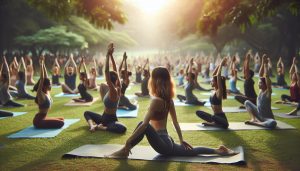
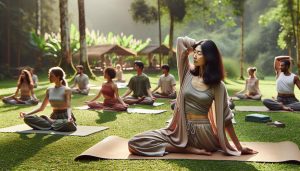
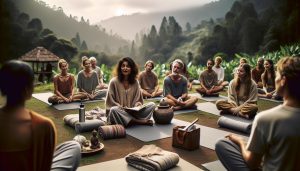
In our fast-paced world, finding moments of peace can feel nearly impossible. A silent yoga retreat offers a transformative escape, allowing participants to immerse themselves in a sacred silence that nurtures both the mind and body. This retreat experience combines meditation and yoga in a tranquil setting, fostering deeper self-awareness and personal growth. As you disconnect from daily distractions, you’ll tap into the essence of mindfulness, rejuvenate your spirit, and rediscover your inner peace. Whether you’re seeking stress relief, emotional healing, or a chance to deepen your spiritual practice, understanding the value of a silent yoga retreat can empower you to take that crucial step towards transformation. What awaits you in this profound journey? Read on to explore how silence can truly change your life.
What is a Silent Yoga Retreat?
A silent yoga retreat offers a transformative experience, creating a sanctuary where individuals can step away from the noise of everyday life and immerse themselves in deep introspection and mindfulness. Unlike traditional yoga classes, these retreats prioritize silence, allowing participants to explore the depths of their thoughts and feelings without distraction. The goal is not only to improve physical well-being through yoga but also to cultivate mental clarity and emotional resilience through the practice of silence.
During a typical silent yoga retreat, individuals participate in structured activities comprising yoga sessions, meditation, and periods of silence that may last from several hours to days. This intentional quiet fosters an environment conducive to self-discovery and reflection. Attendees often report heightened awareness of their internal states, enabling them to connect with emotions and thoughts that may have been overlooked in busier moments.
Apart from the yogic and meditative practices, the natural settings of many retreats contribute significantly to the experience. Being surrounded by tranquil landscapes enhances the profound sense of peace while allowing participants to reconnect with nature. This holistic approach, blending physical practice with the serenity of silence and the beauty of the natural world, often leads to life-changing insights and a renewed sense of purpose.
Benefits of Embracing Sacred Silence
Embracing sacred silence in a retreat setting offers profound benefits that extend beyond mere tranquility. This practice encourages participants to disconnect from the distractions of daily life and open themselves to deep introspection and healing. The significance of silence lies in its ability to create an environment conducive to inner exploration and self-discovery, allowing individuals to process thoughts and emotions that often go unnoticed amidst the chaos of modern living.
One of the most notable benefits of silence is the opportunity it provides for self-reflection. In a quiet space, distractions fade, and the mind can delve into areas that may have been overlooked. This newfound clarity can lead to breakthroughs in understanding personal challenges, goals, and desires. Participants often exit their retreats with enhanced emotional awareness and a greater capacity for empathy towards themselves and others.
Additionally, silent retreats offer the chance to cultivate mindfulness and present-moment awareness. By relinquishing the need for conversation and external stimuli, individuals develop a deeper connection to their thoughts and bodily sensations. This mindful engagement can significantly reduce stress and anxiety, as the focus shifts from external pressures to internal experiences. Many find that the insights gained during these quiet hours can transform how they interact with the world long after the retreat has concluded.
Furthermore, embracing silence fosters a sense of connection to nature. Many silent retreats are situated in serene, natural settings that enhance the experience of tranquility. The gentle sounds of nature can substitute the noise of conversation, creating a backdrop that promotes reflection and peace. Participants often find that this connection bolsters their sense of belonging to something larger, facilitating a spiritual or existential awakening that is hard to replicate in everyday life.
In summary, embracing sacred silence can lead to significant personal development, increased mindfulness, and a deeper connection to both oneself and nature. By prioritizing these moments of quiet, participants not only rejuvenate their spirits but also equip themselves with valuable tools for navigating the complexities of life beyond the retreat.
The Structure of a Silent Yoga Retreat
A well-structured silent yoga retreat is designed to encompass both the physical and spiritual aspects of yoga while allowing participants to immerse themselves in profound silence. Typically lasting several days, these retreats create a sacred space where the noise of daily life is replaced with tranquility, facilitating deep introspection and personal growth. The itinerary is meticulously crafted to balance yoga practices, meditation, and periods of silence, guiding participants toward a holistic experience.
Most silent yoga retreats begin with an orientation session, where guidelines are established, and the importance of silence is emphasized. This sets the tone for the experience, ensuring everyone understands the commitment to silence, which can range from limiting verbal communication to avoiding digital distractions. Following the orientation, participants are often introduced to the retreat schedule, detailing activities such as:
- Daily Yoga Sessions: These are guided by experienced instructors and vary in style, often including Hatha, restorative, or yin yoga. The movements are designed to promote physical release and connection with the breath.
- Meditation Periods: These sessions take place throughout the day, focusing on different techniques such as mindfulness, guided visualization, or breath awareness. Meditation enhances self-awareness and mindfulness, nurturing a deeper connection to the self.
- Nature Walks: Many retreats incorporate silent walks in nature, allowing participants to engage with their surroundings and deepen their appreciation for the environment, creating a serene backdrop for reflection.
- Mindful Meals: Meals are usually eaten in silence, promoting mindfulness. Participants are encouraged to savor every bite, turning the act of eating into a meditative practice.
- Evening Reflections: At the end of the day, some retreats offer periods for personal journaling or self-reflection, allowing participants to process their experiences.
Throughout the retreat, facilitators often provide guidance on how to maintain this programming’s integrity while supporting individual needs for rest and recuperation. The structure may also include dedicated time for rest, giving participants space to absorb their experiences.
This intentional framework not only prioritizes silence but also fosters a unique community spirit among participants, united by their shared commitment to inner exploration. ultimately aims to cultivate a transformative journey that extends beyond the retreat itself, encouraging practices that individuals can carry back into their everyday lives.
Preparing Yourself for a Silent Retreat
Preparing for a silent retreat can feel both exciting and daunting, especially for those new to the concept of extended silence. Engaging fully in this transformative experience requires a thoughtful approach, ensuring you’re mentally and physically ready to embrace the journey ahead. To ease the transition into silence, consider gradually incorporating elements of stillness into your daily life weeks before the retreat begins. This can include setting aside time each day for short meditation sessions or silent reflections, which will help acclimate your mind to the practice of quietude.
Another essential aspect of preparation is to evaluate your personal goals for the retreat. Identifying what you hope to achieve-whether it’s deepening your meditation practice, gaining clarity on personal issues, or simply experiencing the rejuvenation that comes from stepping away from routine-will provide a focal point during your time in silence. Write these intentions down and keep them accessible, as they can serve as a guide and motivational tool when challenges arise during the retreat.
Additionally, practical arrangements should not be overlooked. Ensure that you have the necessary clothing and personal items suited for a variety of activities-yoga sessions, nature walks, and journaling. Items such as a yoga mat, comfortable clothing, a blanket, and a journal may prove invaluable. Remember to pack essentials while being mindful of minimalism to align with the retreat’s ethos of simplicity.
Lastly, it’s crucial to disconnect from digital distractions before entering the retreat. Consider setting up automated responses for emails and messaging services to inform colleagues and friends of your absence. This intentional disconnection will allow you to fully engage in the experience without the pulls of daily communication demanding your attention. By preparing holistically-mentally, physically, and practically-you can cultivate an enriching environment conducive to deep introspection and renewal during your silent retreat.
Mindfulness Practices During Silence
Embracing silence during a retreat provides a rare opportunity to deepen mindfulness, allowing participants to connect with their inner selves and cultivate awareness free from the distractions of daily life. To fully harness the benefits of this quietude, a variety of mindfulness practices can be employed that complement the silent environment. These practices not only enhance personal insight but also foster a profound connection with the tranquil setting that often surrounds a silent retreat.
One effective practice is mindful breathing, where participants focus their attention solely on their breath. This simple yet powerful exercise invites awareness to the present moment, helping to settle the mind and reduce restlessness. Setting aside dedicated time for breath-focused meditation can facilitate a deeper understanding of one’s emotional patterns and thoughts. As the retreat progresses, practitioners may choose to explore variations of this practice, such as observing the natural rhythm of their breath or counting each inhalation and exhalation.
Another enriching mindfulness technique is body scanning. This involves mentally tracing one’s body from head to toe, observing any sensations, tensions, or areas of comfort. The body scan encourages participants to cultivate a non-judgmental awareness of their physical state, promoting relaxation and acceptance. Integrating this practice during scheduled meditation times allows individuals to connect their mental processes with physical sensations, enhancing their overall mindfulness experience.
Further, engaging with nature can amplify mindfulness. Many silent retreats take place in serene natural settings, making it possible to practice mindfulness walks in the surrounding environment. As participants walk silently, they can focus on each step, the texture of the earth beneath their feet, and the sounds of nature all around. This practice nurtures a deep appreciation for the present moment while fostering a sense of connection with the earth and the elements.
Lastly, journaling can serve as a complementary practice to silence. Even while maintaining a commitment to quietude, participants may find value in recording their thoughts and feelings emerging from their experiences. Writing down observations, reflections, or insights encountered throughout the retreat can provide clarity and serve as a powerful tool for self-exploration.
By integrating these mindfulness practices during a silent yoga retreat, participants not only embrace the sacred silence but also cultivate essential skills that can facilitate personal growth and transformation. This allows for a richer retreat experience, imbued with layers of introspection and heightened awareness.
Common Misconceptions About Silent Retreats
Participating in a silent yoga retreat can evoke various feelings, from serenity to apprehension. Many people, however, are deterred by misconceptions that misunderstand the essence of these transformative experiences. One prevalent myth is that silent retreats are entirely devoid of communication and support. In reality, while silence is a central theme, participants often engage in structured activities, including guided meditation, yoga sessions, and community sharing circles, creating a supportive environment that encourages introspection without the chaos of verbal interaction.
Another common belief is that silent retreats are intended exclusively for seasoned practitioners of meditation or yoga. This notion can discourage newcomers who might feel they lack the necessary experience. Contrary to this misconception, many silent retreats cater to individuals of all skill levels, providing introductory teachings and gentle guidance. They aim to create a welcoming space for anyone interested in exploring the deeper aspects of mindfulness and personal growth, allowing participants to benefit from the experience regardless of their background.
People may also think that silent retreats require absolute stillness and inactivity. While moments of reflection and rest are essential, these retreats often include a variety of dynamic activities, such as walking meditations, yoga classes, and workshops, that invite movement and engagement with both the inner and outer self. This balanced approach helps participants maintain their energy and focus while fostering a deeper connection to the silence and nature surrounding them.
Lastly, there’s a fear that one may experience discomfort when confronting their thoughts and feelings in silence. While it’s true that silence can sometimes amplify inner turmoil, it can also offer a powerful opportunity for healing and understanding. Many participants find that embracing the stillness allows them to process unresolved emotions and gain clarity. This journey through discomfort ultimately leads to profound insights and transformation, reinforcing the idea that silence is not simply an absence of sound but a rich space for discovery and growth.
Transformative Experiences: Participant Stories
Participating in a silent yoga retreat can be a life-changing experience, marked by profound transformations that echo long after the retreat concludes. One participant shared how her initial apprehension about the silence morphed into a liberating journey of self-discovery. She recounted the struggle of letting go of her constant need for external validation and noise, and how the retreat allowed her to confront her thoughts without distraction. By the end, she had not only embraced the art of silence but also rediscovered herself and cultivated a sense of inner peace she thought was lost.
Another participant described how the integrated practices of yoga, meditation, and silence helped him confront anxieties that had been deeply rooted. During moments of quiet reflection, he found clarity around issues that had been troubling him for years. Those quiet hours shaped an understanding of how to approach problems from a place of stillness rather than chaos. Participants often discover that the stillness gives way to deeper emotional states, fostering healing and reflection that they hadn’t anticipated.
Moreover, community sharing circles within these retreats provide a space for shared stories and lessons. A participant reflected on one evening when a simple act of pouring tea in silence led to a profound connection among the group. In that silent act, they communicated volumes, expressing care, understanding, and a shared journey. It exemplified that silence does not equate to loneliness but can foster a deep bond among like-minded individuals, emphasizing the collective nature of transformation.
Transformative experiences in silent yoga retreats are not just personal-they are often communal. The shared routines and collective silence create a unique atmosphere that enhances the retreat’s impact. These stories illustrate that, while silent retreats are deeply personal journeys, they also underscore the beauty of human connection fostered in silence. The participant’s stories highlight the multifaceted benefits of embracing sacred silence, illustrating how such retreats can catalyze deep change and understanding on both individual and communal levels.
Choosing the Right Silent Yoga Retreat
Choosing the perfect silent yoga retreat can significantly influence the depth and quality of your transformative experience. With various options available worldwide, finding one that aligns with your intentions, needs, and personal preferences is essential for making the most of your time in sacred silence. Start by defining your goals for the retreat: are you seeking relaxation, self-discovery, or a deeper connection to your yoga practice? Each retreat may cater to different aspects of these journeys, so clarifying your objectives will guide your search.
Consider the location and setting of the retreat. Nature often plays a vital role in enriching the experience of silence, providing a tranquil backdrop that encourages introspection and relaxation. Whether it’s a serene forest, a mountainside, or a coastal area, the environment can enhance the peaceful atmosphere. Research the amenities available as well, including accommodation types, meal options, and the overall ambiance, to ensure they resonate with your comfort preferences.
Next, look closely at the schedule and retreat structure. Engaging in a balanced blend of yoga, meditation, and free time for personal reflection can create a harmonious experience. Some retreats may implement a more rigorous schedule, while others may promote a relaxed approach, allowing participants to choose their activities. Reviews and testimonials can be invaluable here, as they often highlight how participants felt about the retreat’s structure and whether it met their expectations.
Lastly, consider the facilitators and their experience. Retreat leaders should have a strong background in yoga, meditation, or mindfulness practices. Their approach to silence and intentional space will greatly shape your journey, so seeking instructors whose philosophies align with yours can foster a supportive environment for personal growth. By prioritizing these aspects, you’ll be well-equipped to choose a silent yoga retreat that truly supports your journey into sacred silence, ensuring a fulfilling and transformative experience.
Integrating Silence into Daily Life
In a world filled with endless noise and distractions, the ability to embrace silence can feel revolutionary. Integrating moments of silence into daily life can help cultivate mindfulness, enhance focus, and promote overall well-being. The insights gained during a silent yoga retreat offer a potent foundation for harnessing the transformative power of silence. By consciously creating space for quietude in everyday routines, individuals can reconnect with themselves and foster a deeper sense of peace.
One effective way to invite silence into your life is by setting aside specific times each day for personal reflection. Consider starting your day with a morning ritual, which might include sitting in silence for a few minutes, practicing deep breathing, or engaging in gentle yoga. This practice establishes a calming tone for the day ahead and allows you to connect with your inner thoughts and feelings before stepping into the busyness of life. Mindful commuting, whether it’s taking a moment to breathe deeply on the train or choosing to walk instead of drive, can also transform otherwise mundane moments into opportunities for reflection.
Creating designated quiet spaces at home encourages a routine of serenity. These spaces can be as simple as a corner with a comfortable chair, a cushion for meditation, or even a nook filled with plants. The goal is to craft an environment that promotes tranquility, free from the distractions of technology and clutter. Regular visits to these quiet areas can serve as check-ins for mental clarity, allowing time for journaling or meditation.
Lastly, consider groups or communities that encourage silence. Engaging in silent dinners or joining mindfulness circles can reinforce your commitment to embracing silence while fostering connections with like-minded individuals. Sharing experiences in stillness can deepen understanding, reduce feelings of isolation, and inspire personal growth.
By integrating these practices into daily life, the lessons learned in silent yoga retreats can blossom beyond the retreat setting, fostering a sustained sense of peace, mindfulness, and connection to oneself and the world.
How to Maintain Wellness While Traveling
Traveling, especially for wellness retreats, can often disrupt established routines, yet it is possible to maintain well-being even while away from home. By prioritizing self-care and mindful practices, travelers can ensure that their wellness remains a focal point, ultimately leading to a more enriching experience, particularly during a silent yoga retreat.
To sustain wellness while journeying, start by setting achievable goals for your daily routine. This might include committing to a consistent sleep schedule to ensure ample rest, practicing simple daily yoga or stretching routines, or taking brief moments for meditation, even if just for a few minutes. These practices create continuity and mitigate feelings of disorientation that often accompany travel. Keeping a travel journal can also be beneficial; it encourages reflection and mindfulness, allowing participants to process their experiences in a more profound way.
Maintaining a balanced diet is equally important. Seek out nourishing meals that fit within your dietary preferences-consider local health food stores or restaurants with wholesome options. Packing snacks like nuts, fruits, or whole-grain bars can also help combat unexpected cravings or energy dips. When in a retreat environment, take advantage of the communal meals offered; this not only supports nutritional needs but also fosters connection with fellow travelers, reinforcing the communal aspect often celebrated in retreat settings.
Finally, embrace the transformative power of nature by incorporating outdoor time into your travel schedule. Nature walks, hikes, or simply sitting in a serene garden can provide grounding experiences, enhancing both mental clarity and emotional balance. Engaging with natural surroundings aligns seamlessly with the silence practiced in yoga retreats, optimizing the opportunity for introspection and tranquility. By intentionally incorporating these strategies, travelers can cultivate a sense of wellness that transcends the physical journey, inviting peace and self-discovery throughout the experience.
The Role of Nature in Silent Retreats
Experiencing silence in nature can be profoundly transformative, especially during a silent retreat designed for yoga and meditation practice. The serene and untouched landscapes often found in retreat settings serve as a perfect backdrop for introspection and healing. Surrounded by trees, mountains, or calming water bodies, participants can feel a deep connection to the world around them, enhancing the retreat’s overall impact. Immersing oneself in nature allows guests to cultivate a calm mindset, making it easier to embrace the sacred silence and deepen their practice.
Benefits of Nature Connection
Spending time in nature during a silent retreat can amplify the benefits of silence itself. Engaging with the natural environment promotes a sense of peace and well-being, which can manifest in various ways:
- Mental Clarity: The tranquility of nature helps quiet the mind, making it easier for participants to let go of distractions and tune into their thoughts.
- Emotional Balance: Natural surroundings can evoke feelings of safety and comfort, allowing participants to explore deeper emotional layers without judgment.
- Physical Rejuvenation: Fresh air and natural landscapes encourage physical movement, whether through gentle walks or more vigorous hikes, which can invigorate the body.
- Spiritual Connection: Many find a sense of spirituality in nature, fostering a deeper connection with themselves and their surroundings.
Practical Tips for Engaging with Nature
To fully reap the benefits during a silent retreat, consider incorporating some nature-centric practices into your daily schedule:
- Nature Journaling: Spend time in a natural setting and describe your observations in a journal, focusing on colors, sounds, and smells to deepen your mindfulness.
- Silent Walks: Dedicate periods to walking in silence. Notice the sensations in your body and the environment around you.
- Grounding Exercises: Practice standing or sitting on the earth to connect physically with nature. This can help in feeling more present and centered.
- Mindful Breathing: While outside, use the fresh air to practice deep breathing. Inhale the essence of the environment and exhale tension.
By intentionally engaging with nature during a silent retreat, participants can unlock deeper layers of understanding and connection, enriching their overall experience. It merges the disciplines of yoga and meditation with the healing aspects offered by the great outdoors, providing a holistic approach to wellness that integrates body, mind, and spirit.
Post-Retreat Reflection and Growth
The experience of a silent yoga retreat often leaves profound marks on participants, igniting a journey of reflection and growth long after leaving the serene setting. This transformation stems from the practice of immersing oneself in the quiet, allowing for deep introspection and a re-evaluation of personal and spiritual goals. As silence envelops individuals, it creates space for insights to emerge, guiding them toward newfound clarity about their life paths, relationships, and inner desires.
Embracing silence allows participants to confront thoughts and feelings that may surface without distractions, fostering a sense of awareness that can be life-changing. After returning home, it is crucial to reflect on these insights meaningfully. Engaging in practices such as journaling can help articulate thoughts and experiences from the retreat, cementing the lessons learned. This reflective process also aids in identifying how these insights align with daily life back home, prompting individuals to set actionable goals for personal growth.
Moreover, participants should consider integrating the practices cultivated during their retreat into their daily routines. Simple mindfulness techniques, such as conscious breathing or silent moments throughout the day, can reinforce the habits established in retreat. Creating a space for meditation or quiet contemplation at home can serve as a reminder of the tranquility experienced during the retreat and provide an ongoing commitment to personal and spiritual development.
Lastly, staying connected with fellow retreat participants can reinforce post-retreat reflections. Sharing experiences and collectively navigating the challenges of reintegration into a louder world fosters a sense of community and support. Whether through organized meetups, online groups, or regular communication, these connections can encourage accountability and inspire continued growth. By deliberately fostering reflections and actions following a retreat, one can transform silence into an ongoing journey of personal evolution.
Faq
Q: What should I expect during a silent yoga retreat?
A: A silent yoga retreat typically involves daily yoga sessions, meditation, and periods of complete silence, allowing participants to deeply connect with themselves. Expect scheduled activities, designated quiet times, and opportunities for reflection in a serene environment. For more insights, refer to “The Structure of a Silent Yoga Retreat.”
Q: How can I prepare for a silent yoga retreat?
A: To prepare for a silent yoga retreat, practice mindfulness and meditation beforehand, minimize distractions, and focus on your intentions. Bring comfortable clothing and personal items that promote relaxation. Learn more in the section “Preparing Yourself for a Silent Retreat.”
Q: Why is silence important in yoga retreats?
A: Silence is crucial in yoga retreats as it fosters introspection and a deeper connection to oneself. It allows participants to quiet their minds, enhance their mindfulness practice, and experience greater clarity, promoting overall well-being. This concept is further explained in “Benefits of Embracing Sacred Silence.”
Q: What types of mindfulness practices are offered during silent retreats?
A: Silent retreats often include various mindfulness practices such as guided meditations, breathwork, and yoga. These activities encourage participants to become present, fostering a greater sense of calm and awareness. For more, see “Mindfulness Practices During Silence.”
Q: Can beginners attend a silent yoga retreat?
A: Yes, beginners are welcome at many silent yoga retreats. These retreats are designed to accommodate individuals of all skill levels, providing supportive environments for personal growth and exploration. For additional tips, check “Choosing the Right Silent Yoga Retreat.”
Q: How does nature enhance the experience of a silent yoga retreat?
A: Nature enhances a silent yoga retreat by providing a tranquil setting that promotes relaxation and reflection. Natural surroundings can deepen mindfulness practices, allowing participants to connect with the environment on a deeper level, as discussed in “The Role of Nature in Silent Retreats.”
Q: What are the common misconceptions about silent yoga retreats?
A: Common misconceptions include beliefs that silent retreats are overly strict or only for advanced practitioners. In reality, these retreats are flexible and accommodating, focusing on personal growth in a supportive environment. Learn more in “Common Misconceptions About Silent Retreats.”
Q: How can one integrate lessons from a silent retreat into daily life?
A: To integrate lessons from a silent retreat into daily life, practice mindfulness regularly, create quiet spaces at home, and maintain a meditation routine. This helps sustain the benefits of silence and reflection gained during the retreat. For more on this, visit “Integrating Silence into Daily Life.”
The Way Forward
Embracing the transformative power of a silent yoga retreat can lead to profound self-discovery and a deeper connection to your inner peace. By stepping away from the noise of daily life, you open the door to increased self-awareness and emotional resilience, preparing you for life’s inevitable challenges. If you’re feeling the call to expand your practice and rejuvenate your spirit, now is the perfect time to consider joining a retreat.
Curious about the benefits? Explore our articles on meditation techniques or insights about wellness travel to enhance your journey even further. Plus, don’t miss out on practical tips for maintaining your practice while traveling. Let this be your moment to invest in your well-being and take the first step toward a more balanced life. Share your thoughts or experiences below, and join our community for ongoing support and inspiration. Your path to peace awaits!
Get our latest guides, news, and insights highlighted in your Google Search & AI Overviews.