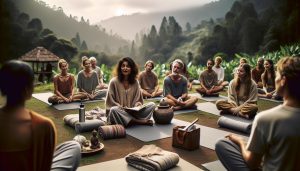
When considering a yoga retreat, many people envision tranquil settings and rejuvenating practices, but what exactly is included? A comprehensive yoga retreat typically offers not only daily yoga classes but also nourishing meals, accommodations, and various wellness activities designed to enrich your experience. Understanding these components is essential for making an informed decision that aligns with your wellness goals and expectations.
Whether you’re seeking to deepen your practice, unwind, or connect with like-minded individuals, knowing what a yoga retreat encompasses can help you select the right one tailored to your needs. This insider guide will explore the key offerings that create a fulfilling yoga retreat experience, ensuring you feel prepared and excited for your journey ahead. So, let’s dive in and discover what awaits you on this transformative adventure.
Understanding the Basics of a Yoga Retreat
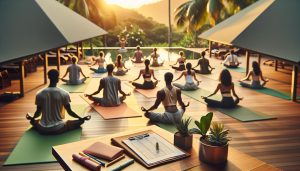
Understanding the essentials of a yoga retreat can significantly enhance your experience and help you achieve your wellness goals. At its core, a yoga retreat offers a unique opportunity to disconnect from daily life and immerse oneself in yoga practice, meditation, and mindfulness. These retreats are usually held in serene, natural environments that promote relaxation and rejuvenation, creating a sanctuary where attendees can explore deeper levels of physical and mental well-being.
Typically, yoga retreats include a variety of activities centered around yoga, but they also encompass wellness practices such as meditation, breathwork, and holistic workshops. Many retreats cater to different levels of experience, ensuring that both beginners and seasoned practitioners can find fulfillment. Participants can expect structured daily schedules that integrate yoga sessions, healthy meals, and sometimes, excursions or nature walks, allowing for a holistic approach to health and well-being.
In addition to regular yoga classes, many retreats offer specialized workshops that delve into specific topics such as nutrition, stress management, and mindfulness techniques. This comprehensive approach not only enhances the yoga experience but also equips participants with practical tools that they can incorporate into their daily lives long after the retreat has concluded. Whether you seek physical transformation, emotional healing, or simply a break from routine, understanding the dynamics of a yoga retreat can help you make the most out of your journey toward wellness.
Key Components of a Yoga Retreat Experience

A transformative yoga retreat offers much more than just yoga classes; it is an immersive experience designed to foster relaxation, growth, and healing. Understanding the key components of this unique journey can help participants choose the right retreat that aligns with their wellness goals. These essential elements contribute significantly to a holistic experience, making it possible to explore various aspects of health and wellness in a supportive environment.
Daily Yoga Practices
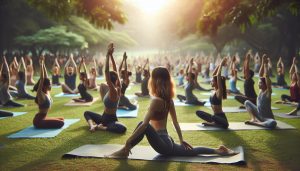
At the heart of every yoga retreat is a structured schedule filled with daily yoga sessions. These classes often encompass various styles, catering to different levels of experience – from gentle restorative sessions to more intense vinyasa flows. Participants can expect to deepen their practice, enhance their skills, and receive personalized guidance from experienced instructors. These classes not only help build physical strength and flexibility but also promote mindfulness and mental clarity.
Mindfulness and Wellness Activities
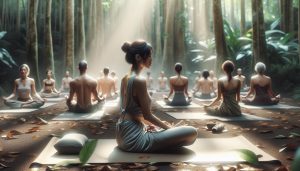
Complementing the yoga practices, many retreats include a range of wellness activities that promote holistic healing. These may involve guided meditations, breathwork sessions, and workshops focusing on topics such as nutrition, self-care, and stress management. Engaging in these activities helps participants integrate the lessons learned on the mat into their daily lives, empowering them to continue their wellness journeys long after the retreat ends.
Rest and Reflection
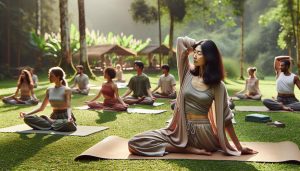
An often-overlooked yet crucial component of a yoga retreat is the time allocated for rest and personal reflection. Many retreats are designed to provide ample free time, allowing participants to relax, journal, or simply enjoy the serene natural surroundings. This downtime is essential for processing experiences and fostering self-discovery. Whether enjoying a quiet moment by the beach or indulging in a spa treatment, participants are encouraged to prioritize self-care.
Nourishing Meals
Nutrition is another fundamental aspect of a yoga retreat experience, as retreat organizers typically emphasize healthy, balanced meals. Most retreats offer nourishing menus featuring local, seasonal ingredients that align with the wellness theme. Participants not only enjoy delicious meals but are also educated on making healthier food choices that support their physical and mental well-being.
In summary, the work together to create a nurturing and transformative atmosphere. Attendees can deepen their yoga practice, explore holistic wellness activities, take time for rest and reflection, and enjoy tasty, healthy meals that contribute to their overall sense of well-being. These elements form the backbone of a successful retreat, ensuring participants leave feeling refreshed, inspired, and equipped with tools for ongoing wellness.
Types of Yoga Retreats: Finding Your Fit

Choosing the right yoga retreat can be a transformational experience tailored to your individual goals and preferences. With an array of options available, understanding the different types can help you find a retreat that resonates with your interests and needs. Whether you seek deepening your yoga practice, indulging in wellness treatments, or immersing yourself in different cultures, there’s a perfect yoga retreat waiting for you.
Specialized Yoga Retreats
Many retreats focus on specific styles of yoga or themes, catering to a variety of goals. Here are some popular types:
- Vinyasa Flow Retreats: Designed for those who enjoy a dynamic and flowing practice, these retreats often combine sequences of postures linked with breath. Perfect for energetic practitioners looking to challenge themselves.
- Restorative Yoga Retreats: These retreats emphasize relaxation and recovery through gentle postures and restorative practices. Ideal for beginners or those recovering from physical or emotional strain.
- Yin Yoga Retreats: Focused on deep stretching of connective tissues, Yin retreats provide a slower-paced approach, offering insight into mindfulness and meditation.
- Transformational Retreats: Combining yoga with personal development workshops, these retreats encourage deep introspection and provide tools for lasting change.
Location-Based Retreats
The setting of your retreat plays a significant role in the overall experience. Various destinations offer unique benefits based on the local environment:
- Beach Retreats: Coastal locations often provide beautiful natural surroundings and opportunities for activities like surfing or snorkeling, blending beach life with yoga.
- Mountain Retreats: These retreats utilize serene mountain landscapes, promoting tranquility and outdoor activities like hiking, which enhance the wellness experience.
- Urban Retreats: For those who prefer city life, urban retreats offer workshops and yoga classes integrated into bustling city settings while allowing access to cultural experiences.
Wellness Integrative Retreats
In addition to yoga, many retreats include extensive wellness offerings. These can encompass:
- Meditation and Mindfulness: Daily guided sessions aimed at enhancing mental clarity and reducing stress.
- Nutrition Workshops: Discussions on healthy eating habits and cooking classes using local ingredients, giving participants practical tools to integrate healthy choices into their daily lives.
- Holistic Healing: Incorporation of alternative therapies such as acupuncture, massage, or sound healing to support overall well-being.
Selecting the right type of retreat involves reflecting on what you hope to achieve. Whether you prefer intense practice or a more relaxed environment, each type offers unique opportunities for growth and enjoyment, making your yoga retreat not just a getaway, but a doorway to self-discovery and healing.
Location Matters: Choosing the Right Destination
Choosing the perfect destination for a yoga retreat can significantly enhance your overall experience, as the right environment can foster relaxation, inspiration, and personal growth. Whether you yearn for the tranquility of nature or the vibrancy of city life, understanding how different locations impact your retreat can help you make a more informed decision.
When considering coastal areas, beach retreats often provide a serene atmosphere, combining the calming sound of waves with opportunities for other activities like surfing or snorkeling. Practicing yoga on the sand, with the ocean breeze and sun warming your skin, can create a deeply invigorating experience. On the other hand, mountain retreats capitalize on their breathtaking natural landscapes to promote focus and mindfulness, often incorporating hiking or nature walks into the daily schedule. The elevation and isolation can help participants disconnect from everyday stressors, enhancing their overall retreat experience.
For those who thrive in urban settings, city-based retreats may offer the best of both worlds. These retreats typically feature a mix of yoga classes and wellness workshops nestled within bustling environments, allowing easy access to cultural experiences, dining, and arts. Participants can seamlessly weave their practice into their daily exploration, creating a unique blend of self-care and city discovery. The location also allows for dynamic networking opportunities with fellow urban yogis, enhancing the community aspect of the retreat.
Ultimately, when selecting your retreat location, consider what kind of environment helps you feel most at ease and inspired. Each type of destination provides distinct experiences that can cater to your individual needs, so reflect on whether a calming beach, rejuvenating mountain, or vibrant city life aligns with your wellness goals. This thoughtful approach to location can set the stage for a transformative journey during your yoga retreat.
What is Included: Meals and Nutrition
A well-planned yoga retreat provides an opportunity not only to deepen your practice but also to nourish your body with wholesome, delicious meals. Nutrition is a key component of the retreat experience, often tailored to support the physical and mental benefits of yoga practice. Many retreats prioritize plant-based menus that are rich in fresh, local ingredients, bridging the gap between indulgence and healthfulness while ensuring that participants feel energetic and revitalized throughout their stay.
The meals provided during a yoga retreat can vary widely in style and preparation, but generally aim to cater to both dietary preferences and nutritional needs. Common offerings include a mix of vegetarian and vegan dishes, vibrant salads, hearty grain bowls, and nutrient-dense smoothies. For example, retreats like Eden on the Chocolata serve up daily specialties such as smoothie bowls, chia pudding, and homemade granola, ensuring a balance of flavors and essential nutrients to fuel both body and mind [[3]](https://www.edenchocolata.com/blog/what-type-of-food-to-expect-on-a-yoga-retreat-center/). Likewise, retreat centers often consider special dietary needs, providing gluten-free, dairy-free, and other allergy-friendly options.
In addition to preparing participants for their yoga practice, meals at retreats often emphasize mindfulness and a connection to the food. Many retreats offer workshops or cooking classes, where participants can learn about the nutritional value of ingredients and how to prepare healthy meals at home. This integration of education allows attendees not only to enjoy nourishing meals during the retreat but also to carry those skills into their daily lives, fostering better eating habits long after the retreat concludes.
Overall, whether you’re savoring vibrant seasonal dishes or participating in hands-on cooking experiences, the meals at a yoga retreat are designed to complement your journey toward wellness. By focusing on fresh, whole foods, and maintaining open dialogues around nutrition, participants can enhance their physical health and deepen their mindfulness-and ultimately enjoy a more enriching and transformative experience.
Daily Schedule: What to Expect
A typical day at a yoga retreat is often structured to promote balance, mindfulness, and holistic well-being. Each retreat may vary slightly in schedule, but most will include a combination of yoga, meditation, workshops, and nourishing meals designed to facilitate your journey toward wellness. By framing each day with intentional activities, you’ll find yourself better able to connect with your inner self while enjoying the rejuvenating effects of nature and community.
Mornings often begin with a gentle yoga session aimed at awakening the body and mind. Participants may rise early to practice yoga at sunrise, allowing the serenity of the early hours to enhance their experience. Following the session, a wholesome breakfast is typically served, featuring energizing options such as smoothies, granola, or fruit-a perfect way to fuel your day. These meals foster mindful eating, encouraging attendees to savor each bite while sharing thoughts about their practice.
In the late morning and afternoon, your schedule may include various activities such as more specialized yoga classes, meditation practices, or workshops focusing on nutrition and wellness. For instance, a nutrition workshop might delve into the importance of plant-based diets, providing hands-on experiences for participants interested in preparing healthy meals. Additionally, outdoor activities like hiking or nature walks can be scheduled, emphasizing the connection between physical movement and mindful living.
The day usually culminates in a restorative evening class, often paired with a light dinner that reinforces the nutritional ethos of the retreat-think hearty vegetable soups or grain-based dishes that promote relaxation and digestion. As the day winds down, evening activities might feature guided meditations, sharing circles, or reflective journaling, allowing participants to digest both their meals and experiences in a supportive environment. This well-rounded approach ensures that each aspect of the daily schedule is designed not just for physical engagement but also for mental and emotional enrichment.
Ultimately, this structured yet fluid daily schedule cultivates an atmosphere of growth, allowing participants to deepen their yoga practice, nourish their bodies with healthy food, and connect with others sharing similar journeys. By providing a variety of activities, a yoga retreat creates an immersive experience that nurtures the body, mind, and spirit, leaving attendees refreshed and transformed.
Accommodations: Comfort and Style
Staying at a well-curated yoga retreat means immersing yourself in an environment that balances comfort with style, ultimately enhancing your overall experience. The accommodations provided can vary greatly based on the retreat’s location, philosophy, and budget, but they play a crucial role in the quality of your stay. Many retreats prioritize creating a serene atmosphere that invites relaxation, reflection, and rejuvenation, complementing the transformative experience of yoga practice.
When selecting a yoga retreat, consider the types of accommodations available. Options can range from luxurious villas with breathtaking views to rustic cabins nestled in nature. At some retreats, you may find shared rooms that foster community and connection, while others offer private suites designed for solitude and comfort. Amenities commonly found in accommodations include:
- Quality bedding: Comfort is paramount, so high-quality mattresses and linens are standard to ensure restful nights.
- Natural light: Ideally, rooms boast large windows that allow for ample sunlight, which can uplift your mood and enhance your connection with the outdoors.
- Private balconies or terraces: Outdoor spaces can provide a personal haven for yoga practice, meditation, or simply enjoying peaceful moments surrounded by nature.
- Eco-friendly features: Many retreats incorporate sustainable practices, such as solar energy or water conservation systems, aligning with the values of mindfulness and environmental stewardship.
In addition to physical comfort, the style of the accommodations plays an integral role. Retreats often embrace local culture and aesthetics, offering decor that reflects the surrounding environment. For instance, you might find bamboo and palm thatch in tropical locations or natural stone and wood in mountainous regions. This immersion in place not only enhances your sensory experience but truly connects you with the retreat’s geographical context, fostering a deeper sense of presence.
Ultimately, quality accommodations at a yoga retreat can elevate your journey, making it easier to unwind and focus on your well-being. Take the time to research and choose a retreat that aligns with your comfort preferences and personal style, ensuring that your restorative getaway will be both enriching and enjoyable.
Yoga Styles and Class Offerings
The variety of yoga styles available at retreats can greatly enhance your experience, catering to practitioners of all levels and preferences. Whether you’re a seasoned yogi or a curious beginner, chances are there’s a class perfectly suited to your goals and desires. Retreats often feature multiple styles, providing a rich tapestry of practices that allow participants to explore new approaches, deepen their understanding, and refine their skills.
Hatha and Vinyasa are popular styles found in many retreats, with Hatha focusing on foundational postures and breath awareness, making it ideal for beginners. Vinyasa, on the other hand, is more dynamic, linking breath with movement and allowing for creative flows. Beyond these, retreats may offer specific classes like Kundalini, which emphasizes energy awakening through breath and mantra, or Yin yoga, a slower-paced practice focusing on deep stretching and relaxation. For those looking to enhance strength and flexibility, Ashtanga might be featured, characterized by its rigorous sequences and focus on discipline.
In addition to traditional yoga practices, many retreats also include workshops and specialty classes led by experienced instructors. These could encompass topics like meditation, pranayama (breath control), or yoga philosophy, enriching your overall understanding and practice. Some retreats even embrace complementary practices such as Pilates or tai chi, allowing you to experience a wider range of movement and wellness techniques.
When choosing a retreat, consider the class offerings-this is often a reflection of the retreat’s philosophy and teaching style. Researching instructor backgrounds and their areas of expertise can also provide insight into what you can expect. Many retreats maintain a flexible schedule, allowing participants to mix and match sessions throughout the duration of their stay. This flexibility not only accommodates varying skill levels but also encourages exploration, ensuring that your yoga journey is both fulfilling and transformative.
Extra Activities Beyond Yoga
While yoga is often the centerpiece of retreats, a comprehensive experience that nurtures the mind, body, and spirit goes well beyond the mat. Many retreats incorporate various activities that enhance relaxation, personal growth, and connection to nature, providing participants with a well-rounded opportunity for rejuvenation.
Additional Activities to Consider
Retreat organizers often schedule a variety of extra activities designed to complement the yoga practice and deepen the retreat experience. Participants might find options like:
- Meditation Workshops: These sessions help cultivate mindfulness and inner peace, allowing attendees to explore different meditation techniques.
- Guided Nature Walks: Exploring the natural surroundings fosters a connection to the earth, providing a serene backdrop for reflection and meditation.
- Creative Workshops: Activities like painting, writing, or crafts can encourage self-expression and relaxation, enhancing the overall experience.
- Nutritional Classes: Learning about healthy eating habits and how to prepare nourishing meals can empower participants to maintain wellness long after the retreat.
- Evening Gatherings: Sharing stories and connecting with fellow participants in informal settings fosters community and deepens relationships.
These additional experiences are not only fun but also help to integrate the teachings and principles of yoga into everyday life, promoting a holistic approach to wellness.
Exploring Local Culture
Many retreats are hosted in beautiful and culturally rich destinations. Incorporating cultural excursions-such as visits to local markets, temples, or historical sites-into the retreat schedule can enhance participants’ understanding of the area. Such outings often provide opportunities to practice language skills, try local cuisine, or engage with community members, making the trip both educational and memorable.
In summary, the activities that accompany yoga sessions are vital components of the retreat experience. They offer pathways for growth, connection, and exploration, ensuring that participants return home not just relaxed, but also enriched and inspired.
Wellness and Mindfulness Practices Included
Many yoga retreats feature a variety of wellness and mindfulness practices that extend the benefits of yoga beyond physical postures, enriching the overall experience. These practices aim to cultivate a deeper connection with oneself and the environment, enhancing mental clarity and emotional well-being. In this holistic approach, participants can engage in activities like breathwork sessions, which help in balancing energy and calming the mind. Such techniques often encourage greater mindfulness and are essential for anyone looking to deepen their practice.
Additionally, many retreats offer guided meditation sessions, which can range from silent practices to more structured forms such as loving-kindness or body scan meditations. These sessions are designed to help attendees focus their thoughts and feel present, reducing stress levels and promoting emotional balance. Alongside meditation, workshops on topics like stress reduction, resilience building, or mindfulness in daily life provide valuable tools that participants can incorporate into their routines after the retreat.
Nutrition also plays a vital role in wellness practices at these retreats. Attendees may participate in cooking classes that emphasize healthy, wholesome meals prepared with fresh, local ingredients. Discussions around nutrition not only encourage a better understanding of food but also promote mindful eating habits. This combination of education and practice equips participants with knowledge to maintain a nutritious diet long after they leave the retreat.
Incorporating holistic practices such as journaling, gratitude exercises, or intention-setting rituals also helps participants reflect on their experiences and intentions. These methods create the opportunity for profound personal insight and growth. Collectively, the in yoga retreats foster an environment conducive to healing, learning, and reconnecting with oneself, setting the foundation for lasting change and a more fulfilled life.
Preparing for Your Yoga Retreat
Preparing for a yoga retreat involves more than merely packing your bags; it’s about nurturing a mindset that embraces transformation and relaxation. To make the most of your experience, taking time to mentally and physically prepare is essential. Long before the journey begins, consider incorporating a consistent yoga practice into your routine. Building strength and flexibility can help you adapt to the various sessions you’ll encounter, whether they’re focused on restorative poses or more vigorous flows.
- Research the Retreat: Understand what the retreat offers in terms of yoga styles, daily schedules, and activities. Knowing the focus can help you align your expectations.
- Packing Essentials: Bring appropriate gear, including yoga mats, comfortable clothing, water bottles, and any personal items like foam rollers or cushions that support your practice.
- Mental Readiness: Engage in mindfulness practices such as meditation or journaling beforehand to clarify your intentions for the retreat. What are you hoping to gain, discover, or heal?
This preparation not only enhances your physical capability but also fosters a deeper connection to the experience itself. Hydration and nutrition are other key aspects; consider easing into a diet rich in fruits and vegetables as the retreat approaches. This can help cleanse your body and prepare it for the healthy meals that will likely be provided. Finally, keep an open heart and mind; embracing spontaneity and new practices during the retreat can lead to unexpected insights and growth opportunities.
Ultimately, a well-prepared participant can fully immerse themselves in the retreat experience, leading to a transformative journey that extends well beyond the yoga mat.
Tips for a Transformational Retreat Experience
Crafting an unforgettable experience during a yoga retreat often hinges on intentional engagement with both the yoga practices and the surrounding environment. Immersing yourself in the experience can lead to transformative insights and lasting wellness benefits. Here are some strategic tips to enhance your retreat journey.
Engage Fully with the Schedule
Maximize your experience by committing to the daily schedule provided by the retreat. Attend all planned sessions, including yoga classes, meditation, and workshops, as each component is designed to build upon the last. Don’t hesitate to ask questions during sessions; engaging your instructor can deepen your understanding and facilitate personal growth. If the retreat offers various classes, try different styles to discover what resonates most with you.
Connect with Fellow Retreat Participants
Building connection with fellow attendees enriches your experience exponentially. Engage in shared meals, participate in group activities, and exchange stories and insights. This communal aspect fosters accountability and can help you make lasting friendships. Whether through yoga poses or casual conversations, shared experiences can cultivate a sense of belonging and support.
Balance Personal Reflection and Group Activities
While group activities are beneficial, carving out time for personal reflection is equally important. Journaling or meditative practices can help you process what you’re learning both on and off the mat. Allow yourself to step away from the group occasionally for a quiet walk or to enjoy nature, as these moments can provide clarity and deepen your insights. Use this time to set intentions and reflect on your goals for the retreat.
Stay Open-Minded
A spirit of openness can lead to unexpected benefits during your retreat. Embrace new practices, styles, and even challenges with optimism. This could mean trying a form of yoga you’ve never done before, participating in a workshop outside your comfort zone, or finding joy in a local excursion. Keeping an open heart and mind allows for deeper experiences and can lead to personal breakthroughs.
By following these tips, you’ll not only maximize your individual journey but also contribute to a supportive community, ensuring that your yoga retreat is a profound, transformative experience.
Frequently Asked Questions
Q: What types of retreats are typically included in a yoga retreat package?
A: A yoga retreat package often includes options like wellness workshops, guided meditation sessions, nature hikes, and holistic therapies. These activities enhance the overall experience, allowing participants to explore different aspects of wellness and personal growth during their time away from daily routines.
Q: Are yoga classes suitable for beginners at retreats?
A: Yes, many yoga retreats cater to all skill levels, including beginners. Instructors typically offer modifications and beginner-friendly classes, ensuring everyone can participate comfortably. Look for retreats that specify their inclusivity in the class descriptions for the best experience.
Q: Is transportation included in a yoga retreat package?
A: Transportation inclusivity varies by retreat. Some retreats offer airport transfers or local transportation as part of the package, while others require participants to arrange their own travel. Check the specific details on the retreat’s website for exact offerings.
Q: How do I choose the right yoga retreat for my needs?
A: Choosing the right yoga retreat involves considering factors such as your yoga experience, desired location, specific styles offered, and additional activities included. Reading reviews and the retreat’s FAQ section can further aid in making an informed decision.
Q: What should I bring to a yoga retreat?
A: Essentials for a yoga retreat typically include a yoga mat, comfortable clothing, water bottle, personal toiletries, and any special items like journals or books. Each retreat will have specific recommendations, so check their guidelines for further packing advice.
Q: How can yoga retreats benefit my mental health?
A: Yoga retreats can significantly enhance mental health by providing a dedicated space for relaxation, mindfulness, and self-reflection. Immersion in practice, along with supportive community vibes, can lead to reduced stress and increased clarity.
Q: Are meals typically catered during yoga retreats?
A: Most yoga retreats include meals as part of the package, focusing on healthy, nutritious options that often accommodate dietary preferences, such as vegetarian or gluten-free. Always confirm meal arrangements during your planning process.
Q: Can I attend a yoga retreat if I have physical limitations?
A: Absolutely. Many yoga retreats are designed to accommodate physical limitations by offering gentle classes and modifications. It’s advisable to communicate your needs with the instructors prior to the retreat for a tailored experience.
To Wrap It Up
Now that you’ve discovered what’s included in a yoga retreat, envision the rejuvenating experience waiting for you. These retreats not only provide a sanctuary for your body and mind but also offer an opportunity to connect with like-minded individuals on a transformative journey. Don’t let the chance to enrich your wellness journey slip away-explore our guide on how to plan your perfect retreat or refer to our resources on effective marketing strategies to elevate your experience even further.
To stay informed and inspired, consider signing up for our newsletter, where we share insights on wellness travel, retreat planning, and maintaining routines while on the go. If you’re curious about other retreat types, check out our articles on Pilates and wellness retreats for additional insights. Your next adventure in personal growth is just a click away-let’s make it happen together!
Get our latest guides, news, and insights highlighted in your Google Search & AI Overviews.