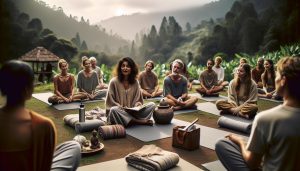
In today’s fast-paced world, finding inner peace and clarity can often feel elusive. A Spiritual Yoga Retreat offers the perfect sanctuary for individuals seeking to reconnect with their true selves and awaken their soul’s power. These retreats provide a harmonious blend of yoga, meditation, and spiritual practices designed to foster personal growth and self-discovery. Through immersive experiences in tranquil settings, participants not only enhance their physical well-being but also cultivate a deeper sense of purpose and fulfillment. Whether you’re a novice or a seasoned practitioner, the transformative journey of a Spiritual Yoga Retreat can lead to profound insights and lasting change. Dive deeper into the essence of spiritual wellness, and explore how such retreats can be the catalyst for a more balanced and enlightened life.
What is a Spiritual Yoga Retreat?

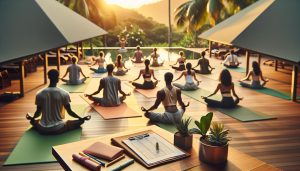
A spiritual yoga retreat offers a unique and transformative experience designed to deepen one’s connection with themselves and their surroundings. These retreats typically incorporate yoga and meditation practices within serene and often breathtaking settings, creating an environment conducive to personal growth and healing. Participants can immerse themselves in daily practices aimed at awakening their inner consciousness, enabling a journey towards greater clarity, peace, and spiritual enlightenment.
Attendees at these retreats engage in holistic activities that may include not only yoga sessions but also mindfulness practices, guided meditations, and workshops focused on spiritual growth. Retreats can vary in length and structure, catering to different needs and levels of experience. The setting often emphasizes nature and tranquility, allowing individuals to disconnect from daily life and reconnect with their authentic selves. This immersive environment facilitates introspection and often leads to profound personal revelations.
In choosing a spiritual yoga retreat, it is essential to consider factors such as the retreat’s location, instructors, and specific offerings. Quality retreats prioritize holistic well-being and create schedules that flow naturally, balancing physical postures with moments of stillness and reflection. Emphasizing a supportive community, these retreats foster connections between participants, enabling shared experiences that enhance the spiritual journey. By engaging wholeheartedly in this nurturing space, individuals can unlock deeper layers of awareness and cultivate a more awakened and centered version of themselves.
Benefits of Awakened Spirituality

Awakening spirituality can profoundly impact one’s life, fostering a deeper connection to self, others, and the universe. Many individuals discover that engaging in spiritual practices expands their perception and enhances their emotional and mental well-being. This growth cultivates a sense of inner peace, allowing practitioners to navigate life’s challenges with greater resilience and clarity.
One significant benefit of awakened spirituality is an increased sense of purpose. When individuals tap into their inner selves-often facilitated by practices such as yoga and meditation during retreats-they may uncover what truly matters to them. This newfound clarity helps them set intentions aligned with their values and aspirations, guiding personal and professional decisions that foster fulfillment.
Additionally, those who experience heightened spiritual awareness often develop improved emotional regulation. The practices learned in spiritual retreats encourage mindfulness-the ability to be present, aware, and accepting of one’s feelings without judgment. This can lead to reduced anxiety and stress levels, as practitioners learn to observe their thoughts and emotions rather than react impulsively. By practicing mindfulness, individuals can cultivate compassion not only for themselves but also for others, enhancing their interpersonal relationships.
Furthermore, spiritually awakened individuals frequently report a greater sense of interconnectedness with the world around them. They come to understand their place within a larger tapestry of existence, fostering a profound appreciation for nature and humanity. This connection often motivates them to engage in acts of kindness, community service, or environmental stewardship, contributing positively to the world.
By incorporating these elements of awakened spirituality into daily life, individuals can experience lasting transformation, enriching their relationships, enhancing personal growth, and fostering a profound sense of peace and satisfaction.
Key Elements of a Successful Retreat

To create a transformative experience at a spiritual yoga retreat, several key elements must be thoughtfully integrated. A successful retreat goes beyond mere relaxation; it aims to deepen participants’ understanding of themselves and their connection to the universe. This holistic approach often involves a well-curated schedule, supportive community, and skilled facilitators who can guide participants through their spiritual journeys.
Well-Structured Programming
At the core of an effective retreat is a carefully planned itinerary that balances group activities and personal reflection time. It is essential to include a variety of practices such as yoga sessions, meditation, and workshops on spirituality and self-discovery. Flexible scheduling allows participants to engage with activities at their own pace while ensuring that they experience a comprehensive approach to awakening their spiritual potential. Many successful retreats incorporate specific themes for each day, providing focus and depth to the participants’ journey.
Qualified and Compassionate Instructors
Retreats benefit significantly from being led by experienced instructors who possess not only technical skills in yoga and meditation but also a deep understanding of spiritual teachings. A facilitator should create a safe and supportive environment where participants feel comfortable exploring their inner selves. Personal anecdotes and expert insights can enrich the learning experience, allowing for more profound personal transformations. Participants are encouraged to connect with their instructors during and after sessions, fostering an environment of mentorship and support.
Communal Support and Group Dynamics
The power of shared experiences cannot be overstated when it comes to spiritual retreats. Participants benefit greatly from the connections formed in a communal setting. Welcoming group dynamics foster a sense of belonging and encourage open conversations about personal challenges and triumphs. Organized group discussions, sharing circles, or communal meals can enhance this sense of community, allowing individuals to share their insights and support one another’s journeys.
Setting and Nature Connection
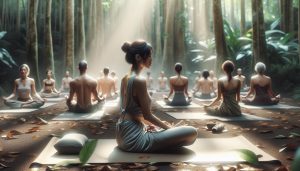
Finally, the environment in which a retreat is held plays a crucial role in its success. Natural settings-whether in the mountains, by the sea, or in tranquil forests-serve as powerful backdrops for spiritual awakening. Connecting with nature not only enhances relaxation but also deepens the participants’ awareness of their interconnectedness with the world. Time set aside for nature walks, outdoor meditation, or simply moments of solitude in a serene environment allows attendees to absorb the beauty around them and reflect more deeply on their inner selves.
By integrating these key elements into a spiritual yoga retreat, organizers can create an enriching experience that fosters personal growth and a profound awakening of one’s soul’s power. Such alignment opens up pathways to deeper awareness and lasting change, ultimately enhancing the overall well-being of participants long after they return home.
How to Choose the Right Retreat for You

Choosing a spiritual yoga retreat can be a transformative step in your personal growth journey, but with numerous options available, it may feel overwhelming to find the right fit. Start by assessing your intentions: are you seeking stress relief, spiritual awakening, or a deeper connection with your body and mind? Clarifying your goals will provide a foundation for selecting a retreat that aligns with your needs.
The retreat’s location and environment play significant roles in the overall experience. Natural settings can enhance the calming and restorative effects of the retreat, so consider whether you prefer mountains, beaches, or forested areas. Look into the amenities offered; a comfortable accommodation can greatly affect your ability to relax and absorb the retreat’s teachings.
Next, evaluate the retreat’s program. A well-structured itinerary should balance yoga, meditation practices, and opportunities for self-reflection. Research the types of yoga and meditation methods being taught and ensure they resonate with your personal practice or curiosity. Additionally, the presence of skilled instructors is vital; they should not only lead sessions but also create a supportive community atmosphere.
Lastly, consider the size of the retreat group. Smaller groups may offer more personal attention and deeper connections, while larger settings might provide a wider variety of perspectives and experiences. Check participant reviews or testimonials to understand others’ experiences, helping you to gauge the retreat’s alignment with your journey. By focusing on your intentions, environment, program structure, and community size, you can select the retreat that best supports your spiritual awakening journey.
Essential Practices During Your Retreat
Engaging in a spiritual yoga retreat offers a unique opportunity to deepen your practice while connecting with your inner self in a supportive environment. Key practices during your retreat can emphasize mindfulness, self-exploration, and community, providing a holistic approach to personal growth and healing.
Start your day with a morning yoga session that aligns your body and mind. This can include various styles, from gentle Hatha to energizing Vinyasa, allowing you to gradually awaken physically while focusing on breath control and intention-setting. Following your yoga practice, engage in guided meditation, which can help clear your mind and prepare you for the day. Techniques like loving-kindness (Metta) or focused breathing can enhance your emotional balance and cultivate a deeper sense of peace.
Incorporating reflection time into your schedule is equally important. Designate moments for journaling, where you can document thoughts, feelings, and insights that arise during the retreat. This practice not only encourages self-awareness but also helps in processing experiences and integrating lessons learned. Additionally, community discussions or sharing circles foster connection and allow participants to gain new perspectives from one another’s journeys.
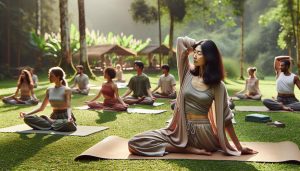
Lastly, embrace the power of nature connection. Whether it’s through mindful walks in serene surroundings, outdoor yoga classes, or simply spending quiet moments in solitude, nature has a profound ability to ground and inspire us. Use these experiences to enhance your understanding of the world and your place within it, reinforcing the spiritual awakening you seek during your retreat. By focusing on these essential practices, you’ll cultivate a deeper connection with yourself and the universe, setting the stage for transformative growth.
Mindfulness and Meditation Techniques
Engaging effectively in mindfulness and meditation during a spiritual yoga retreat can serve as a transformative catalyst for personal growth. These practices not only help calm the mind but also promote deeper connections with oneself and the surrounding environment. Many retreat participants discover that through mindfulness and meditation, they can enhance their awareness, focus, and emotional well-being.
One highly regarded technique is mindful breathing, which can be practiced at any moment throughout the day. This involves paying attention to your breath-the inhalation, the exhalation, and the sensations accompanying them. Set aside a few minutes to focus solely on your breath, allowing thoughts to come and go without judgment. This practice can serve as a gateway into deeper meditative states and can be particularly useful before or after yoga sessions.
Another invaluable technique is guided visualization. This approach invites participants to create mental images that promote feelings of safety, tranquility, or inspiration. For instance, you could imagine yourself in a serene landscape-perhaps a quiet forest or a tranquil beach. By engaging the senses as you construct this scene, you can cultivate a profound sense of peace and relaxation, making it easier to let go of stress and anxiety. Retreat facilitators often guide these sessions, enhancing the experience with music, nature sounds, or gentle prompts.
Incorporating practices such as mindful walking can also significantly enrich the retreat experience. As you walk slowly and deliberately, focus on each step, the sensations in your feet, and the environment around you. This form of active meditation allows you to connect with nature while staying present, heightening your awareness of the sights, sounds, and scents around you. Mindful walking can be particularly refreshing in outdoor settings, where the natural world amplifies the experience.
Lastly, consider integrating loving-kindness meditation, a technique that centers on cultivating compassion for yourself and others. Begin by directing goodwill towards yourself, then gradually extend that feeling to loved ones, acquaintances, and even those you find challenging. This expanding circle of compassion not only nurtures relationships but can also foster a sense of community among retreat participants, uniting everyone through shared vulnerability and growth.
By embracing these , individuals can awaken to their innermost selves, fostering a deeper understanding of their emotions and thoughts. These practices not only benefit participants during the retreat but can also be carried into daily life, creating lasting shifts in perspective and well-being.
Connecting with Nature in Retreat Settings
Engaging with nature during a spiritual yoga retreat can significantly enhance the overall experience, deepening emotional connection and promoting relaxation. Nature serves not just as a backdrop, but as an integral part of the retreat’s transformative journey, allowing participants to ground themselves in the present moment. Whether you are practicing yoga on a beach, meditating in a forest, or simply walking through a garden, the natural environment fosters a serene space conducive to personal growth and discovery.
Benefits of Nature Connection
The benefits of connecting with nature are well-documented; studies indicate that spending time outdoors can improve mood, reduce stress, and enhance creativity. Immersing oneself in natural surroundings during a retreat allows participants to disconnect from the demands of everyday life, promoting what is often referred to as “nature therapy.” Activities such as forest bathing-where individuals soak in the atmosphere of the forest-can lower cortisol levels and improve overall well-being, making it an ideal complement to yoga and meditation practices.
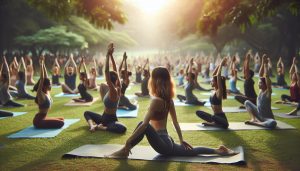
Incorporating nature into daily activities can also enhance mindfulness. For example, during yoga practices held outdoors, participants may experience a heightened sense of awareness as they feel the sun on their skin, hear the rustle of leaves, or notice the smell of blooming flowers. This multi-sensory engagement not only elevates the experience of yoga but also deepens one’s connection to the environment itself.
Practical Tips for Engaging with Nature
To maximize the benefits of nature during your retreat, consider the following practical tips:
- Plan Nature-Integrated Activities: Schedule outdoor yoga sessions at sunrise or sunset to enhance the experience with the natural beauty of the changing sky.
- Dedicate Time for Solo Exploration: Allow time for participants to wander or meditate alone in nature. This solitude fosters personal reflection and a deeper connection with the surroundings.
- Incorporate Nature-Based Mindfulness Practices: Encourage activities such as mindful walking, where participants focus on sensory experiences while walking through natural landscapes.
- Utilize Natural Elements in Meditation: During meditation sessions, guide participants to visualize elements from their natural surroundings, such as imagining the sensation of the earth beneath them or the sound of water flowing.
Ultimately, the integration of nature into a spiritual yoga retreat can create a richer experience that awakens the soul, facilitates healing, and fosters lasting memories. As participants deepen their connection with both themselves and the natural world, they are likely to carry the insights gained during the retreat into their daily lives.
The Role of Yoga in Awakening Your Soul
The transformative power of yoga transcends the physical postures (asanas) commonly associated with the practice; it serves as a profound tool for spiritual awakening and self-discovery. Engaging in yoga during a retreat setting creates an opportunity to dive deep into personal exploration, harmonizing body, mind, and spirit. The serene environment of a spiritual yoga retreat enhances this experience, allowing participants to step away from daily distractions and immerse themselves fully in their practice.
Through various styles of yoga, participants can tap into their innermost selves, uncovering layers of emotional and spiritual depth that may have previously gone unnoticed. Practices like Hatha or Kundalini yoga can awaken dormant energies within the body, facilitating a deeper connection to one’s soul. These practices often include breath control (pranayama), which helps to calm the mind and create a meditative state, ultimately leading to heightened awareness and clarity.
Creating Space for Transformation
A key aspect of yoga’s role in spiritual awakening lies in its ability to create a safe and supportive space for transformation. In a retreat setting, yoga instructors often encourage participants to trust their intuition, fostering an environment where vulnerability is embraced. This can lead to profound breakthroughs as individuals confront fears, release limiting beliefs, and open themselves to new possibilities. Engaging in group practices can also enhance the collective energy, inspiring deeper connections and shared experiences that amplify personal growth.
Practical Applications of Yoga in Retreats
Participants can integrate specific practices to enhance their spiritual journey during a yoga retreat:
- Mindful Movement: Focus on moving with intention, allowing each pose to become a reflection of your current emotional state and guiding you towards self-awareness.
- Guided Meditations: Utilize guided meditations that emphasize self-acceptance and love, helping to align your intentions with your true self.
- Journaling Sessions: Take time after yoga practices to reflect and journal about your emotions and insights, creating pathways for deeper understanding.
- Integrative Workshops: Participate in workshops that complement yoga practices, such as sound healing or art therapy, to enrich the experience of self-discovery.
Incorporating these practices can significantly deepen the effect of yoga on one’s spiritual journey. As participants navigate their unique paths, they often find that yoga not only enhances their physical well-being but also illuminates their inner purpose, facilitating a genuine awakening of the soul. The integration of yoga into daily routines post-retreat can also help sustain the insights gained, ensuring ongoing personal growth and connection to one’s inner self.
Personal Growth Journeys Through Retreats
The journey of personal growth through spiritual yoga retreats offers a transformative experience that extends far beyond traditional practice. Many attendees step into these retreats seeking not only physical rejuvenation but also emotional and spiritual healing. By immersing themselves in an environment designed for introspection and growth, participants often uncover hidden layers of their identities, gaining insights that can lead to lasting change.
In a retreat setting, the combination of yoga, meditation, and communal activities creates a supportive atmosphere that encourages vulnerability and deep reflection. Participants are invited to explore their thoughts and feelings, fostering self-discovery and personal empowerment. For example, yoga sessions integrated with breathwork can help individuals confront fears and anxieties, transforming them into pathways for strength. Guided meditations focused on self-acceptance often reveal inner students of wisdom that have been obscured by daily life’s distractions.
Creating Connections and Community
The collective experience of a retreat also plays a vital role in personal growth. Sharing moments of challenge and triumph with fellow participants can lead to profound friendships and a sense of belonging. Through these connections, individuals can exchange stories and learn from others’ experiences, which can provide clarity and motivation on their personal journeys. Activities such as group discussions and collaborative workshops amplify this effect, promoting a rich tapestry of shared insight.
Lasting Practices for Continued Growth
To ensure that the benefits of the retreat carry over into everyday life, it’s essential to develop a plan for integrating experiences into daily routines. Participants are encouraged to cultivate new practices established during the retreat, such as journaling, daily meditation, or yoga rituals. Regularly revisiting these practices helps maintain clarity of purpose and continues the awakening of the soul. Additionally, many retreats provide resources or follow-up sessions that participants can engage in post-retreat, allowing for ongoing support as they navigate their paths toward personal growth.
Ultimately, a spiritual yoga retreat serves as a catalyst for transformation, guiding individuals to reconnect with their authentic selves and fostering continuous development long after the experience concludes.
Post-Retreat: Integrating Experiences into Daily Life
After experiencing the profound insights and rejuvenation offered by a spiritual yoga retreat, many participants find themselves pondering how to carry these transformative experiences back into their daily lives. The key to sustaining the energy and awakening achieved during the retreat lies in intentional integration. Establishing a routine that incorporates the practices and insights gained can help reinforce your personal growth journey in a meaningful way.
One practical approach is to create a post-retreat action plan. This strategy may involve setting aside specific times each day dedicated to practices like meditation, yoga, or journaling. A commitment to short but consistent daily practices can serve as a reminder of the retreat experience and encourage ongoing self-reflection. Consider implementing the following strategies:
- Daily Meditation: Set aside 10-15 minutes each morning to meditate. Use techniques you learned during the retreat, focusing on breath, visualization, or mantras.
- Journaling: Write down your thoughts and feelings regularly. This practice can help you process emotions and track your personal growth.
- Yoga Rituals: Integrate short yoga sequences into your daily routine, allowing you to maintain the physical and spiritual benefits of the practice.
- Self-Care Moments: Schedule time for mindful activities that nourish your spirit, such as walks in nature, creative pursuits, or simply moments of silence.
In addition, enhancing your support network is essential. Maintaining connections established during the retreat can provide motivation and accountability. Share your experiences with fellow participants or form a small group focused on continued growth. Regular check-ins can encourage discussions about challenges and triumphs, reinforcing the concepts learned during the retreat.
To further integrate your experiences, consider setting realistic goals based on insights gained during your time away. Whether it’s creating a vision board that reflects your aspirations or committing to volunteer work, these goals can serve as tangible reminders of your journey. The integration process is truly personal and can vary from individual to individual; therefore, allow yourself to be flexible and patient as you weave your retreat experiences into your everyday life.
By establishing these practices and support systems, the tranquility and wisdom of your spiritual yoga retreat can become a continuous source of strength, guiding your evolution long after the retreat has concluded.
Common Myths About Spiritual Retreats
Many people considering a spiritual retreat may hesitate due to common misconceptions that surround these transformative experiences. One significant myth is that spiritual retreats are only for deeply religious individuals or those who already have extensive spiritual knowledge. In reality, retreats are designed for everyone, regardless of their current beliefs or practices. They often provide a supportive environment where all participants can explore their spirituality at their own pace, learning alongside others who are also seeking personal growth and understanding.
Another prevalent myth is the idea that spiritual retreats require participants to detach completely from modern life and technology. While some retreats may encourage limited use of devices to foster mindfulness and connection, many recognize the importance of balance. Retreat centers often accommodate personal devices and offer guidance on how to use them wisely, enabling participants to remain connected to their support systems while still engaging in the transformational work at hand.
Many also believe that spiritual retreats are solely about meditation and yoga, which can deter those who may feel uncomfortable with these practices. However, a diverse range of activities is typically offered, from creative arts and nature walks to discussions and group activities. Each aspect serves to enhance participants’ self-awareness and emotional healing, providing a rich tapestry of experiences for personal exploration.
Finally, there’s a misconception that one must achieve profound insights or life changes during the retreat for it to be worthwhile. In fact, the value of a retreat often lies in the small moments of clarity, peace, and connection to oneself and others. Understanding that spiritual growth is an ongoing journey, not a destination, can help set realistic expectations and allow participants to appreciate the subtler shifts that may occur. Embracing these truths about spiritual retreats can encourage more people to embark on this transformative journey, enhancing their overall wellness and personal development.
Planning Your Spiritual Retreat Experience
Planning a spiritual retreat experience can be a transformative endeavor that requires careful consideration and preparation. Engaging in these retreats is not merely about taking time off; it’s about creating an environment that supports deep personal growth and spiritual awakening. To maximize the benefits of your retreat, consider the following essential aspects.
Firstly, research the retreat offerings. Each retreat can have different focuses-some may emphasize mindfulness and meditation, while others blend yoga practices with outdoor activities or creative arts. Look for retreats that resonate with your goals; for instance, if you seek a holistic approach, opt for programs that combine multiple practices rather than one singular focus.
Next, examine the location and environment. The setting plays a crucial role in your retreat experience. Natural locations-such as mountains, beaches, or forests-can enhance your spiritual journey by providing a serene backdrop that fosters introspection and connection with nature. Ensure that the retreat location is accessible, comfortable, and conducive to your needs, whether it involves basic amenities or luxurious accommodations.
Another key consideration is the facilitators and community. The experience you seek often relies on the expertise and presence of the leaders guiding the retreat. Investigate their backgrounds, philosophies, and methods. Moreover, pay attention to the community aspect; retreats can offer invaluable opportunities for connection, and being surrounded by like-minded individuals can enhance your journey. Reflect on your comfort level with group dynamics and whether you would thrive in intimate or larger group settings.
Finally, prepare for your retreat by setting intentions and establishing routines. Consider what you hope to achieve or understand during your experience. Writing these intentions down can guide you during the retreat. Additionally, think about how to maintain a semblance of your daily routines where possible, such as staying hydrated, resting, and loosely structuring your free time amidst activities. This balance can help ease the transition back to daily life once the retreat concludes, allowing you to integrate your newfound insights more seamlessly.
Incorporating these elements into your planning process not only prepares you for a rewarding experience but also fosters an open mindset that welcomes personal growth and emotional healing during your spiritual retreat.
Faq
Q: What can I expect from a Spiritual Yoga Retreat?
A: A Spiritual Yoga Retreat typically offers a combination of yoga practices, meditation sessions, and spiritual teachings aimed at enhancing personal growth. Expect to engage in workshops, nature walks, and community activities that foster connection and self-discovery.
Q: How does a spiritual retreat differ from a regular yoga retreat?
A: A spiritual retreat focuses extensively on inner growth, mindfulness, and spiritual awakening, moving beyond physical yoga practice. In contrast, a regular yoga retreat often prioritizes yoga techniques and fitness without a deep spiritual component.
Q: What are the types of activities included in a Spiritual Yoga Retreat?
A: Activities may include yoga classes, meditation sessions, nature excursions, group discussions, and personal reflection time. These are designed to deepen your spiritual experience and foster emotional healing, creating a comprehensive journey towards self-discovery.
Q: How do I prepare for a Spiritual Yoga Retreat?
A: Prepare by setting intentions for your retreat experience, researching the location, packing for comfort, and being open to new experiences. Engaging in preliminary meditation or yoga can help you arrive centered and ready to embrace the retreat fully.
Q: Are Spiritual Yoga Retreats suitable for beginners?
A: Yes, Spiritual Yoga Retreats are often welcoming to all experience levels. Beginners will find supportive environments with instructors who guide them through practices, ensuring accessibility while also promoting deeper spiritual insights.
Q: How can I integrate the lessons from my retreat into daily life?
A: To integrate your retreat lessons, maintain a consistent yoga and meditation practice, reflect on your experiences regularly, and set intentions that honor your growth. Consider journaling to document your journey and keep the insights alive in your daily routine.
Q: What should I look for when choosing a Spiritual Yoga Retreat?
A: Look for retreats that align with your personal goals, offer qualified instructors, and provide a peaceful setting. Review participant testimonials, inquire about the schedule of activities, and ensure that the retreat’s philosophy resonates with your values.
Q: Can attending a Spiritual Yoga Retreat help with personal challenges?
A: Attending a Spiritual Yoga Retreat can provide tools and support for overcoming personal challenges. The environment fosters healing and helps participants gain new perspectives, making it easier to confront and manage life obstacles effectively.
Insights and Conclusions
As you embark on your journey of self-discovery through a Spiritual Yoga Retreat, remember that this is not just a destination but a transformative experience that empowers your soul. It’s an opportunity to reconnect with your inner self, cultivate mindfulness, and unleash the full potential of your spirit. Don’t wait-explore our upcoming retreats today. Whether you seek inner peace, a deeper connection to nature, or holistic wellness practices, the time to act is now!
For more insights, dive into our articles on wellness travel tips and how to maintain your routines while traveling. Also, consider signing up for our newsletter for exclusive updates on retreat offerings and inspirational content. Your journey to awakening your soul’s power is just a click away. Join our community, share your experiences, and continue this enlightening conversation within our forums-your next steps toward empowerment start here!
Get our latest guides, news, and insights highlighted in your Google Search & AI Overviews.