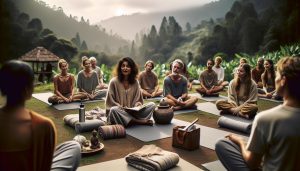
Choosing the right venue for a yoga retreat is crucial for creating an inspiring and transformative experience. A well-suited location can enhance the practice, foster connection among participants, and promote relaxation. Whether you’re a yoga teacher seeking the ideal space or a participant eager to find the perfect retreat, understanding what makes a venue exceptional is key. From serene natural surroundings to facilities that accommodate various activities, the right venue can elevate your retreat experience. As we delve into expert insights on this topic, you’ll uncover essential features that can make or break your yoga getaway. Let’s explore what truly makes a venue stand out in the world of yoga retreats.
What Defines a Yoga Retreat Venue?
Creating an ideal yoga retreat venue goes beyond just offering space; it requires a carefully curated environment that enhances wellness and promotes mindfulness. Such a venue is often characterized by its natural surroundings, ambiance, and the amenities that cater specifically to the needs of yoga practitioners. A successful yoga retreat venue is a sanctuary, offering tranquility and a sense of escape from the daily hustle. It must inspire relaxation, encourage introspection, and foster community among participants.
Key features of an effective yoga retreat venue include ample natural light, open spaces for practice, and comfortable accommodations that promote rest and rejuvenation. Visitors appreciate venues located in peaceful settings-whether nestled in the mountains, along the coast, or surrounded by lush garden landscapes. These environments are not only visually appealing but also contribute significantly to the overall experience, allowing attendees to immerse themselves deeply in their practice without distractions.
Accessibility is another critical element that defines a yoga retreat venue. The ability to reach the location easily, whether by car or other transportation methods, can enhance the retreat experience. Additionally, venues that offer wellness-focused amenities-such as spa services, healthy dining options, and guided outdoor activities-add tremendous value, providing participants with a holistic experience that goes beyond yoga sessions alone.
Ultimately, the essence of a yoga retreat venue lies in its ability to create a nurturing space that caters to both individual and group experiences, helping to cultivate a deep sense of peace and connection to oneself and others. When considering a venue, ensure that it aligns with the goals of the retreat and meets the specific needs of its attendees. This thoughtful selection process will significantly enhance the overall experience, leading to lasting memories and personal transformations.
Key Features That Enhance a Yoga Experience

Creating an unforgettable yoga retreat experience hinges on several key features that can significantly enhance attendees’ journeys towards well-being and mindfulness. These elements collectively contribute to an atmosphere that encourages relaxation and a deeper connection with the self and others. Understanding and incorporating these features can transform a standard venue into a serene sanctuary for participants.
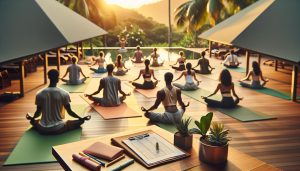
One of the primary aspects to consider is the availability of open, versatile spaces designed for yoga practice. A venue should offer ample room for movement, whether it’s for group classes or individual practice sessions. Ideal locations include studios that benefit from natural light, which can uplift spirits and foster a sense of peace. Rooms with large windows or outdoor spaces enable participants to connect with nature, further enhancing their experience.
In addition to spacious practice areas, comfortable accommodation is vital for relaxation and rejuvenation. Attendees should have access to cozy, serene sleeping quarters that facilitate restorative sleep. Well-designed rooms with calming decor, soft bedding, and quiet surroundings allow participants to recharge after a day of physical and mental activity. Facilities that include areas for communal living-such as lounges or dining rooms-also encourage social interaction, which is a key component of many retreat experiences.
Another significant feature is the inclusion of wellness amenities beyond yoga. Venues that offer spa services, healthy meal options, and fitness classes provide a holistic approach to wellness. Nature trails, meditation gardens, and outdoor adventure activities also add layers to the retreat experience, allowing participants to explore wellness in various forms. Engaging in these additional activities can help reinforce the lessons learned during yoga sessions and encourage a fuller integration of mind, body, and spirit.
Lastly, effective venues should focus on creating an inviting atmosphere that nurtures well-being. Thoughtful design elements-such as natural materials, soothing colors, and tranquil water features-can significantly enhance the ambiance. A space should feel welcoming and safe, allowing participants to fully engage in their practice and personal growth. A positive atmosphere promotes community building, fosters deeper connections among attendees, and supports individual introspection.
When evaluating potential venues for a yoga retreat, consider how these key features can be integrated to create a compelling and enriching experience for all participants. The goal is to foster an environment that not only meets basic needs but also inspires transformation and connection on all levels.
Understanding the Importance of Location

The significance of location in selecting a yoga retreat venue cannot be overstated. A well-chosen site not only sets the tone for the experience but also influences the participants’ overall well-being. The perfect location is one that encourages tranquility, allowing attendees to disconnect from their daily lives and immerse themselves in a space that nurtures relaxation and rejuvenation.
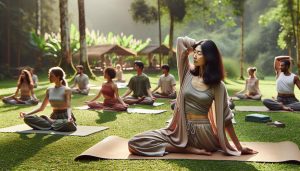
A retreat nestled in nature can provide countless benefits. Scenic views, whether they be mountains, forests, or oceans, serve as a natural backdrop that enhances meditation and mindfulness practices. Participants often find that surroundings filled with beauty inspire deeper contemplation and connection, allowing them to escape the noise and stress of everyday life. Additionally, engaging with elements of nature fosters a sense of grounding and alignment with the earth, which is integral to many yoga practices.
Furthermore, the accessibility of the location is crucial. Ideally, a venue should be situated not too far from major transport hubs, while still feeling remote enough to offer a respite from the hustle and bustle. Convenience in travel can attract more participants, making it easier for them to experience the full benefits of the retreat without the added stress of complicated logistics. Providing options for various means of transportation-whether by car, train, or plane-can significantly enhance the appeal of the venue.
Lastly, cultural context plays a role in experience enhancement. Locations rich in history, spirituality, or wellness traditions can add unique dimensions to the retreat. For example, a venue in a region known for holistic health practices or proximity to spiritual landmarks can offer workshops or excursions that resonate deeply with participants seeking a transformative journey. Therefore, considering location as a multifaceted aspect-combining its natural beauty, ease of access, and cultural relevance-can lead to a truly enriching yoga retreat experience.
Captivating Atmosphere: Ambiance and Serenity
Creating a captivating atmosphere is crucial in establishing a successful yoga retreat venue, as the right ambiance can significantly enhance the overall experience for participants. Imagine stepping into a space where the air is filled with calming scents, soft music gently flows, and natural light streams through wide-open windows, allowing the beauty of the surrounding environment to blend seamlessly with the interior. This serene setting invites attendees to unwind and disconnect from their hectic lives, laying the foundation for deeper mindfulness and engagement during their practice.
To cultivate this desired ambiance, it is essential to consider both the physical and sensory elements of the venue. The interior design should promote relaxation, utilizing natural materials like wood and stone, soothing color palettes, and gentle lighting that emulate the tranquility of nature. Facilitating open spaces for yoga practice enhances movement and fosters a sense of freedom, while cozy corners with comfortable seating offer participants the perfect areas to reflect, journal, or engage in personal meditation. Integrating elements such as plants and water features can further elevate the sense of peace, connecting attendees more profoundly to nature and calming their minds.
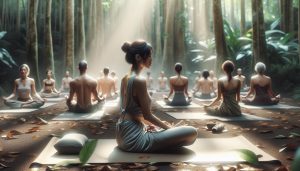
In addition to these design elements, the energy of the space plays a vital role in creating a serene atmosphere. Venues that offer opportunities for outdoor practices-such as yoga on a deck overlooking the ocean or in a forest clearing-can harness the healing properties of nature, enhancing participants’ sense of groundedness. Incorporating quiet zones free from distractions encourages mindful practices and allows for personal reflection. The selection of location is key; a venue set in a picturesque landscape, far from the noise of urban life, invites guests to embrace the natural world and dive deeper into their yoga experience.
Ultimately, achieving an atmosphere filled with ambiance and serenity not only fosters a transformative retreat but also cultivates a lasting connection between participants and their practice. When attendees feel enveloped in peace, they are more likely to engage fully, creating memories that can influence their yoga journey long after the retreat concludes.
Accommodations That Promote Relaxation
When participants attend a yoga retreat, the accommodations they reside in significantly influence their overall experience. Comfortable and tranquility-enhancing spaces not only allow for restful nights but also set the tone for rejuvenation and mindfulness during the day. Opting for venues that prioritize restful environments can transform a standard yoga retreat into an immersive journey of personal growth and relaxation.
typically feature calming aesthetics and comfortable furnishings. Here are key elements to consider when evaluating a venue’s lodging options:
- Natural Materials: Where possible, seek accommodations made from natural materials like wood and stone, which resonate with yogic principles of harmony with nature.
- Soundproofing: Ensure that sleeping areas are insulated from external noises to foster a serene environment conducive to restful sleep and meditation.
- Comfortable Bedding: Quality mattresses and bedding can greatly enhance sleep quality, impacting focus and energy levels for daily practices.
- Access to Nature: Rooms or cabins with views of gardens, forests, or oceans can stimulate a sense of tranquility and connection to the outdoors.
- Safe Common Areas: Shared spaces for reflection, journaling, and socialization should be cozy and inviting, encouraging a sense of community while still promoting personal downtime.
In addition to physical comfort, the availability of in-room amenities such as yoga mats, soothing lighting, and wellness kits can make a considerable difference. For instance, having meditation cushions or calming scents available in each room can encourage participants to engage in personal practice throughout the day, reinforcing their journey toward relaxation and mindfulness.
It’s essential to remember that the right accommodations extend beyond mere comfort; they should also embody the principles of wellness and mindfulness that underpin yoga practice. By carefully selecting venues with accommodations designed for relaxation, retreat facilitators can create an environment that enhances participants’ experience, encouraging deeper engagement in their practices and fostering lasting, transformative connections.
Accessibility and Transportation Considerations
Making a yoga retreat accessible to participants is crucial for creating a positive and inclusive experience. play a significant role in ensuring that attendees can easily reach the venue and transition smoothly between scheduled activities. The ideal retreat setting should have well-planned travel logistics that accommodate different participant needs, whether they are arriving from near or far.
When selecting a venue, assess its proximity to major transportation hubs such as airports, bus stations, and train terminals. A location that is easily accessible encourages higher attendance and can reduce stress for participants. Additionally, providing shuttle services or clear directions for public transport can significantly enhance convenience, allowing guests to focus on their wellness journey rather than navigating travel complexities.
Consideration should also be given to local accommodations and their accessibility features. Ensure that the venue is equipped to cater to individuals with mobility challenges, including wheelchair access to common areas, bathrooms, and dormitory-style lodging. Many modern retreat spaces are now designed with inclusivity in mind, providing amenities that cater to diverse groups.
Another important aspect is outlining available transportation options for local excursions or additional activities. For instance, regularly scheduled shuttles to nearby attractions or nature trails can enrich participants’ experiences outside of scheduled classes. Providing information on local taxi services, ride-sharing apps, or bike rentals can also empower attendees to explore their surroundings more independently.
Incorporating these into the planning process not only demonstrates a commitment to participant wellness but also enhances the overall quality of their retreat experience. A thoughtfully curated experience that minimizes travel hassles allows attendees to immerse themselves deeply in their practice, fostering a sense of tranquility and connection throughout their stay.
Wellness Amenities to Look For in a Venue
Creating an enriching yoga retreat experience transcends the classes and teachings; it is profoundly influenced by the wellness amenities offered at the venue. A thoughtfully chosen location with the right facilities can significantly enhance participants’ overall well-being, allowing them to focus on their practice and personal growth. When evaluating potential venues, consider several key wellness amenities that not only support yoga sessions but also foster an environment of relaxation and rejuvenation.
Essential Wellness Amenities
- Health-Conscious Dining Options: Look for venues that prioritize healthy eating by offering organic, locally sourced meals. Meals should accommodate diverse dietary preferences, including vegetarian, vegan, and gluten-free options, allowing attendees to nourish their bodies as they deepen their practice.
- Wellness Facilities: An ideal venue should offer facilities such as a spa, sauna, steam room, or wellness center where participants can unwind after classes. Access to services like massages or holistic treatments can help relieve tension and enhance relaxation.
- Outdoor Spaces: Natural surroundings play a crucial role in wellness. Choose venues with serene outdoor spaces for yoga sessions, meditation, or simply connecting with nature. Gardens, beaches, or mountain views can uplift the spirit and enrich the retreat experience.
- Quiet Zones and Private Areas: The opportunity for introspection is essential. Retreats should feature quiet zones where participants can retreat for personal reflection, journaling, or meditation-spaces that are free from distractions and conducive to deepening one’s practice.
Supportive Environment
Beyond physical amenities, the overall atmosphere of the venue should promote a sense of peace and community. Look for venues that have calming decor, natural light, and a tranquil ambiance. This serenity can be heightened by incorporating elements such as soothing music, aromatherapy, and comfortable common areas where participants can mingle and share experiences.
Additionally, considering venues with qualified staff available for guidance-whether for yoga practice, mental wellness support, or even local information-can significantly enhance the quality of the retreat. The holistic experience is enhanced when participants feel supported throughout their journey, both physically and emotionally.
Choosing a venue with these wellness amenities is a crucial step in ensuring that your attendees have a fulfilling and transformative retreat experience. By prioritizing elements that promote health and relaxation, you set the stage for profound personal growth and connection during the retreat.
Activities and Experiences Beyond Yoga
A successful yoga retreat goes beyond the mat, offering a holistic experience that nourishes the body, mind, and spirit through a variety of activities and experiences. Integrating such offerings not only enhances the attendee’s journey but also fosters a deeper connection among participants, promoting personal growth and community engagement. Here are some compelling activities to consider when selecting a retreat venue.
Enriching Activities
Incorporating a variety of activities can transform a standard yoga retreat into a memorable sanctuary for exploration and self-discovery. Consider offering:
- Mindfulness Workshops: Facilitate sessions that focus on mindfulness, meditation, or breathwork, allowing participants to delve into practices that enhance their yoga journey.
- Nature Excursions: Organize hiking, kayaking, or walking tours in nearby natural settings. Immersing participants in nature can deepen their sense of peace and connection to the environment.
- Creative Expressions: Introduce art, music, or dance workshops. Engaging in creative activities can serve as a therapeutic outlet, enhancing emotional well-being.
- Culinary Experiences: Consider cooking classes that emphasize healthy, local cuisine. Participants can learn to prepare nutritious meals, fostering a more holistic approach to health.
Building Community
To cultivate a supportive environment, create opportunities for participants to bond. Activities such as group discussions, communal meals, and sharing circles can foster a sense of belonging. Consider intentional icebreakers or trust-building exercises designed to strengthen group dynamics and facilitate deeper interactions among attendees.
Holistic Treatments
Many retreat venues also offer wellness services that complement yoga practices, such as massages, aromatherapy, and spa treatments. These services are not just indulgent; they can significantly enhance physical relaxation and emotional release, allowing participants to fully engage in their yoga practice.
By diversifying the experiences available at a yoga retreat, venues can cater to varying interests while promoting rich personal interactions. The well-rounded approach to wellness offered through varied activities can not only help participants unwind but also enable them to leave with renewed energy and profound connections, both to themselves and to those around them.
Expert Tips for Creating a Balanced Schedule
Creating a balanced schedule for a yoga retreat is crucial for ensuring that participants experience an enriching and restorative journey. Start by blending structured activities with free time, allowing participants to personalize their retreat experience. Consider a daily schedule that features diverse activities, such as yoga sessions, mindfulness workshops, and creative classes, interspersed with periods of rest. This balance not only fosters engagement but also honors the varying energy levels of participants throughout the retreat.
Timing is Key
Opt for sessions that flow naturally into one another. For example, a morning yoga practice can be followed by a healthy breakfast, then a meditation session that gently leads into discussions or workshops. Incorporating these elements in a way that builds upon one another creates a cohesive experience. Allow for transition times to give participants the chance to recharge and reflect on what they’ve learned.
Include Downtime
Equally essential is the inclusion of unstructured time in the schedule. This gives individuals the opportunity to relax, explore the surroundings, and connect with fellow participants. Unscheduled periods can also be an invitation for personal journal reflection or solo walks in nature, further enhancing the restorative aspect of the retreat. A good rule of thumb is to aim for at least a couple of hours of downtime each day.
Access to Wellness Amenities
When planning the schedule, also consider offering access to wellness amenities such as massages or spa treatments during the downtime. Providing information on booking these services can add value to the participants’ experience and encourage them to indulge in self-care.
By thoughtfully curating a balanced schedule that blends structured activities, gentle transitions, and opportunities for downtime, retreat leaders can create a nurturing environment where participants feel supported in their journey of personal growth and self-discovery.
Budgeting for Your Ideal Yoga Retreat Venue
Creating a successful yoga retreat requires careful consideration of the budget allocated for the venue. Understanding the value of investment in the right location can dramatically enhance the overall experience for attendees. From tranquil landscapes to on-site wellness amenities, selecting a venue that resonates with the retreat’s goals is crucial. Balancing quality and cost effectively can lead to a more enjoyable and fulfilling experience for all participants.
To effectively budget for an ideal yoga retreat venue, start by calculating the overall costs, which can often include:
- Accommodation Fees: Research venues that offer shared and private room options to cater to different budgets.
- Facility Rentals: Ensure the venue has adequate space for yoga classes, meditation sessions, and group activities, which may come at an additional cost.
- Meals and Catering: Analyze meal options, as some venues offer inclusive packages while others do not, impacting your budget.
- Transportation: Consider costs related to getting participants to and from the venue, especially if it is in a remote location.
- Retreat Extras: Account for any additional services like spa treatments, excursions, or workshops that may enhance the overall experience.
Researching different venues and comparing their offerings is essential. Consider reaching out for quotes or packages that can offer savings. Some venues may provide discounts for large groups, seasonal rates, or off-peak pricing, so it’s worth investing time in negotiations. It’s also beneficial to examine past retreat budgets if applicable, to draw insight on expected expenditures and find ways to cut costs without forfeiting quality.
Lastly, remain flexible with the vision of your ideal retreat. Sometimes, venues that require a slight adjustment in plans-like a less popular season or a nearby location-can provide an equally inspiring environment at a fraction of the cost, allowing for more investment in quality programming and participant experience. Careful financial planning can help create a space that fosters growth, rejuvenation, and connection, making the retreat a memorable endeavor for both hosts and participants.
How to Choose the Right Venue for Your Target Audience
Choosing the right venue for a yoga retreat can significantly impact the experience and satisfaction of attendees. It’s essential to align the venue’s characteristics with the unique preferences and needs of your target audience. Whether you’re organizing for beginners, seasoned yogis, or a specific demographic, such as corporate professionals or wellness enthusiasts, understanding their expectations is key.
Begin by identifying the primary goals of your retreat. Are participants looking for deep relaxation, intense practice, or a blend of both? For instance, a retreat aimed at beginners may benefit from a tranquil setting with supportive amenities like beginner-friendly classes and meditation spaces, while more advanced practitioners might seek locations that offer diverse styles of yoga and advanced workshops. Gathering insights through surveys or informal discussions can help clarify these preferences.
Additionally, consider the atmosphere and overall experience you want to create. A serene, natural environment can enhance relaxation and focus, making it ideal for mindfulness-centered retreats. On the other hand, a vibrant locale with cultural activities and excursions might appeal to participants looking to integrate wellness with adventure. For example, a coastal retreat could provide opportunities for outdoor classes, while a setting in the mountains might offer hiking and nature walks.
Don’t underestimate the importance of amenities and accommodations. Ensure the venue has comfortable lodging options that cater to varying preferences, whether shared dorms or private suites, as well as nutritious meal options that align with your audience’s dietary requirements. For retreats targeting fitness enthusiasts, having well-equipped exercise spaces and optional wellness services such as spa treatments can enhance the appeal. Ultimately, maintaining open channels of communication with participants about their expectations and creating a flexible program can lead to a more rewarding retreat experience for all involved.
Gathering Feedback: Measuring Venue Success
To truly gauge the success of a yoga retreat venue, gathering feedback from participants is indispensable. Not only does this information provide insight into their experiences, but it also serves as a roadmap for future improvements and refinements. Incorporating a systematic approach to feedback collection can enhance the overall quality of the retreat experience for attendees.
Start by implementing a feedback mechanism at multiple touchpoints throughout the retreat. Utilizing anonymous surveys can encourage honest assessments about various aspects of the venue, including its ambiance, accommodations, class offerings, and overall satisfaction. Questions could range from rating the cleanliness and comfort of the accommodations to the effectiveness of the yoga sessions. Consider including open-ended questions that invite detailed responses, allowing participants to express what they loved as well as areas for improvement.
Additionally, informal discussions and reflection sessions can be valuable. Facilitating opportunities for attendees to share their thoughts in a group setting encourages dialogue and allows them to learn from one another’s experiences. This can deepen the insights gathered and foster a sense of community among participants. Collecting this feedback through a mixture of qualitative and quantitative methods will paint a fuller picture of the venue’s effectiveness.
Further, analyzing the data post-retreat enables venue operators to identify patterns and trends. Regularly reviewing this feedback not only assists in making immediate adjustments but also helps in strategizing for future retreats. Positive feedback can be highlighted in marketing materials, while constructive criticism can guide enhancements to services, amenities, or offerings. By prioritizing participant feedback and demonstrating a commitment to continuous improvement, you create an environment that not only meets expectations but exceeds them. This will ultimately lead to higher satisfaction rates and encourage repeat attendance, solidifying the venue’s reputation in the wellness travel industry.
Frequently Asked Questions
Q: What factors should I consider when selecting a yoga retreat venue?
A: When selecting a yoga retreat venue, consider location, ambiance, accommodations, wellness amenities, and accessibility. A good venue should support relaxation and provide a serene atmosphere. Investigate the surrounding nature, noise levels, and proximity to essential services for a comprehensive experience.
Q: How does the location affect a yoga retreat?
A: The location directly impacts the retreat’s atmosphere. A tranquil setting in nature enhances relaxation and mindfulness. Accessibility to transportation and nearby attractions can also influence participants’ experiences, so look for venues that offer both convenience and serenity.
Q: What types of amenities should a yoga retreat venue have?
A: Ideal yoga retreat venues should include facilities such as yoga studios, wellness centers, comfortable accommodations, healthy dining options, and outdoor spaces for activities. Consider venues offering additional services like spa treatments, meditation rooms, and nature trails to further enrich the experience.
Q: Why is ambiance crucial for a yoga retreat venue?
A: Ambiance sets the emotional and psychological tone of a retreat. A serene environment with natural light, calming colors, and minimal distractions can enhance practitioners’ focus and relaxation. Choosing a venue with a captivating atmosphere promotes deeper meditation and mindfulness during sessions.
Q: How can I ensure my participants have a positive experience at the retreat venue?
A: To ensure a positive experience, gather feedback from participants before selecting a venue. Consider their needs regarding accommodations, dietary preferences, and activity options. Additionally, plan a balanced schedule with ample free time and varied activities beyond yoga to cater to diverse interests.
Q: What should I know about pricing when choosing a yoga retreat venue?
A: When budgeting for a yoga retreat venue, consider not only the rental fees but also the costs of amenities, catering, and transportation. Research various venues to compare prices and services offered. Factor in potential discounts for group bookings or off-peak seasons to find the best value.
Q: How important is accessibility in a yoga retreat venue?
A: Accessibility is vital for ensuring all participants can comfortably attend the retreat. Choose a venue with good transportation links and adequate parking. Consider facilities for individuals with mobility challenges to create an inclusive environment that accommodates everyone.
Q: What type of activities beyond yoga can enhance a retreat experience?
A: Incorporating diverse activities such as guided hikes, workshops, cooking classes, and mindfulness sessions can significantly enhance a retreat experience. These activities foster community, personal growth, and connection to nature, complementing the primary yoga practice and enriching participants’ overall experience.
In Conclusion
In conclusion, choosing the right venue for your yoga retreat is not just about aesthetics; it’s about aligning the space with the transformative experience you aim to create. Key factors like atmosphere, accessibility, and amenities play pivotal roles in fostering a rejuvenating environment for your participants. Act now and start exploring venues that resonate with your vision to elevate your retreat.
For further insights, check out our articles on effective retreat planning and the importance of location in wellness travel. Have questions or experiences to share? Join the conversation in the comments below. Don’t forget to subscribe to our newsletter for tips on hosting unforgettable retreats and wellness journeys. Your perfect yoga retreat is just a decision away-let’s make it happen together!
Get our latest guides, news, and insights highlighted in your Google Search & AI Overviews.