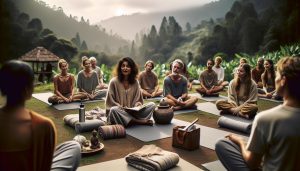
In today’s fast-paced world, finding inner peace and rejuvenation through a yoga retreat can feel like a dream come true. But what truly makes a retreat great? The formula for success involves various elements, from the right location and skilled instructors to a supportive community and enriching activities. As we delve into this topic, you’ll discover how these components align with your desires for relaxation, growth, and connection. Whether you’re seeking personal rejuvenation or planning a retreat for others, understanding what makes a yoga retreat exceptional is essential. Join us as we unveil the key factors that contribute to a transformative experience and help you or your guests achieve lasting wellness and balance.
Essential Elements of a Yoga Retreat Experience
A successful yoga retreat is often marked by a blend of transformative experiences that resonate with attendees long after the retreat concludes. Attendees should find themselves immersed in an environment that nurtures both personal growth and communal connection. Essential elements contributing to this enriching experience encompass the retreat’s atmosphere, variety of activities, and the overall structure.
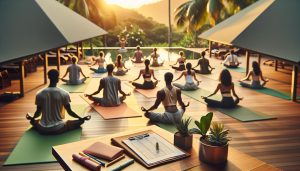
To start, the venue plays a crucial role in setting the tone for the retreat. Beautiful, natural surroundings can enhance the experience, providing peace and inspiration. Retreats held in serene locales, whether a lush forest, picturesque beach, or a tranquil mountain setting, foster a sense of retreat from daily life. The incorporation of comfortable accommodations and inviting communal spaces encourages participants to relax and engage with one another, building a sense of community.
Additionally, a thoughtful balance of yoga, meditation, and other activities is integral to a fulfilling yoga retreat experience. Daily schedules should include structured classes that cater to different levels and styles, allowing participants to deepen their practice. Alongside yoga sessions, incorporating mindfulness activities, wellness workshops, and opportunities for exploration or leisure can enrich the experience. This variety keeps the energy levels high and allows attendees to engage with their intentions from multiple angles, ultimately leading to deeper personal insights and growth.
In summary, a successful yoga retreat weaves together supportive environments, varied activities, and a community spirit, creating an unforgettable experience. Careful attention to these essential elements ensures that participants leave feeling rejuvenated, connected, and inspired, ready to bring the lessons of their retreat back into their everyday lives.
Choosing the Ideal Location for Your Retreat
Selecting the right location for a yoga retreat is pivotal to the overall experience, as the environment significantly influences the participants’ ability to relax, connect, and deepen their practice. Whether it’s a sun-drenched beach, a serene forest, or a tranquil mountain landscape, the scenery plays an essential role in establishing a peaceful atmosphere that encourages introspection and rejuvenation. Consideration of key factors when choosing a location can enhance the retreat’s effectiveness and ensure that attendees leave feeling transformed.
First and foremost, accessibility should be a primary concern. While remote locations can offer peace and natural beauty, ensure they are still reachable for all participants. Proximity to airports or well-connected transport options can make a significant difference in the overall experience, reducing stress and travel fatigue. Additionally, think about the accommodations available. Comfortable lodging with necessary amenities can help attendees feel at home and provide a comforting space to unwind after a day of activities.
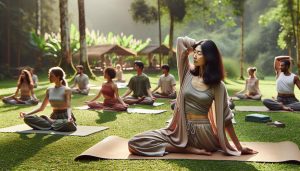
Another crucial aspect is the surrounding environment. Selecting a venue that offers natural beauty and a variety of outdoor spaces enhances opportunities for activities like outdoor yoga sessions, hiking, or meditative walks in nature. Such environments not only serve to invigorate the body but also provide a backdrop for personal reflection and mindfulness. Consider also the local culture and available resources; a location that supports healthy dining options and wellness-related activities can further enrich attendees’ experiences.
Finally, don’t underestimate the importance of a supportive local community. Connecting with local wellness practitioners for workshops or excursions can provide attendees with a more enriched, culturally immersive experience that adds depth to their retreat journey. In summary, the ideal location for a yoga retreat should combine accessibility, comfort, natural beauty, and community connection, creating a holistic environment conducive to personal growth and rejuvenation.
Crafting the Perfect Daily Schedule for Attendees
Creating a well-structured daily schedule is essential for ensuring that attendees of a yoga retreat have a fulfilling and transformative experience. A thoughtfully designed timetable not only balances yoga practices but also integrates activities that foster relaxation, exploration, and personal growth. To craft the perfect daily schedule, consider the following elements:
First, timing plays a crucial role in the flow of each day. Schedule sessions at times when participants are most likely to be receptive, typically early morning and late afternoon or evening. Morning yoga can invigorate attendees, helping them connect with their bodies and set positive intentions for the day. Afternoon sessions can be designed for deepening practices or introducing new techniques, while evenings may offer gentle restorative sessions or guided meditations.
### Sample Daily Schedule
To give you an idea, here’s a sample daily schedule for a three-day yoga retreat:
| Time | Activity |
|---|---|
| 7:00 AM – 8:00 AM | Morning Yoga Session (Dynamic Flow) |
| 8:00 AM – 9:00 AM | Breakfast (Healthy, Nutritious Options) |
| 9:15 AM – 10:15 AM | Workshop (Yoga Philosophy) |
| 10:30 AM – 12:00 PM | Guided Nature Walk |
| 12:00 PM – 1:00 PM | Lunch (Locally Sourced Ingredients) |
| 1:00 PM – 2:30 PM | Afternoon Yoga Session (Restorative) |
| 2:45 PM – 4:00 PM | Meditation Workshop (Mindfulness Techniques) |
| 4:15 PM – 5:15 PM | Free Time (Explore/Rest) |
| 5:30 PM – 7:00 PM | Evening Yoga Session (Gentle Flow or Yin) |
| 7:00 PM – 8:00 PM | Dinner (Nutritious Plant-Based Options) |
| 8:00 PM – 9:00 PM | Evening Reflection Circle (Share Experiences) |
Adjusting the schedule to include ample breaks is essential. Every activity should be spaced out to allow participants time for self-reflection and integration of the day’s practices. This flexibility not only accommodates varying energy levels but also encourages attendees to connect with each other and foster community. Consider including optional activities like journaling, creative expression, or quiet contemplation, enabling participants to choose how they wish to spend their downtime.
Lastly, keep in mind the need for variety within the activities. Apart from yoga sessions, incorporating elements of wellness such as workshops, cooking demos focused on healthy eating, and group discussions about mindfulness can enrich the experience. By balancing physical activity, educational experiences, and opportunities for relaxation, your schedule can create an impactful retreat that leaves lasting impressions on attendees.
Incorporating Expert Instructors and Workshops
Creating a transformative yoga retreat experience hinges significantly on the expertise of instructors and the quality of workshops offered. Engaging, knowledgeable instructors can profoundly impact attendees, elevating the retreat from a simple getaway to a deeply enriching journey. Consider inviting instructors with diverse backgrounds and specializations, including yoga styles, meditation techniques, and wellness practices. This variety allows participants to explore new dimensions of their practice and encourages deeper self-discovery.
Choosing the Right Instructors
When selecting instructors for your retreat, it’s essential to prioritize not only their certifications and teaching experience but also their ability to connect with participants. Instructors who exude passion and warmth create a welcoming environment where attendees feel inspired and safe to explore their limits. Host a mix of well-known teachers who can draw attendees and local talents who offer unique insights into community practices. This blend not only brings fresh perspectives but also supports local economies.
Crafting Engaging Workshops
Incorporating workshops into the retreat schedule can significantly enhance the overall experience. Aim for a diverse range of themes that cater to various interests and skill levels. For example, workshops could explore yoga philosophy, anatomy, pranayama (breath control), or meditation practices. Here are some ideas for crafting compelling workshops:
- Interactive Sessions: Foster hands-on learning with workshops that allow participants to practice new moves or techniques, such as partner yoga or acro yoga.
- Themed Deep Dives: Organize sessions focused on specific topics, like mindfulness in daily life or the integration of nutrition with yoga, to encourage a holistic approach to well-being.
- Creative Expression: Include sessions on journaling, guided visualization, or art therapy, allowing attendees to explore their thoughts and feelings in a creative, non-verbal way.
A well-rounded retreat should balance structured workshops with space for exploration and personal connection. Strive to create an environment where attendees feel encouraged to share and learn from one another, thereby building a sense of community that extends beyond the retreat.
Balancing Activities: Yoga, Meditation, and Relaxation
A truly transformative yoga retreat goes beyond just practicing asanas; it thrives on the harmonious blend of yoga, meditation, and relaxation to create a holistic experience. Each component plays a vital role in facilitating deep personal connection and rejuvenation for attendees. Balancing these activities can help participants cultivate mindfulness, physical strength, and emotional well-being, leading to lasting benefits well beyond the retreat days.
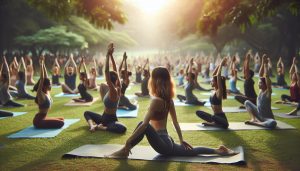
To begin with, daily yoga sessions serve as the backbone of the experience, allowing practitioners to engage in physical movement that fosters strength and flexibility. It’s beneficial to offer a variety of yoga styles, ranging from vigorous vinyasa flows to gentle restorative sessions. This variety ensures that participants can choose practices that resonate with their current energy levels and skill sets, accommodating both beginners and more advanced yogis. Consider scheduling sessions at different times of the day to take advantage of nature’s rhythms and participants’ varying needs for energy or calm.
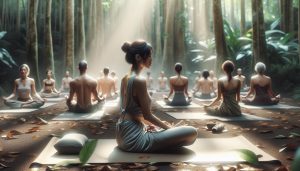
Complementing the physical practice with structured meditation sessions enhances the overall experience by allowing participants to cultivate inner stillness and reflection. Guided meditations can focus on themes such as gratitude, intention setting, or emotional release. Also, incorporating mindfulness practices, such as walking meditations in nature, can further deepen the connection between the body and mind while enabling participants to absorb the retreat’s tranquil surroundings.
Finally, the importance of relaxation should not be underestimated. Incorporating periods for free time, leisure activities, or even silent contemplation can help attendees process their experiences and unwind fully. Create space for hobbies like journaling, reading, or simply enjoying the natural environment, as these activities promote a sense of peace and rejuvenation. Organizing workshops that focus on relaxation techniques, such as breathwork or yoga nidra, can further enrich the attendees’ journey toward serenity.
In conclusion, a well-balanced retreat is one where yoga, meditation, and relaxation coexist seamlessly. By thoughtfully designing a schedule that integrates these elements, attendees can leave feeling renewed, inspired, and connected-attributes that are essential for a transformative experience that stays with them long after they return home.
Creating an Inviting Atmosphere and Environment
Creating an inviting atmosphere at a yoga retreat is essential for fostering a sense of peace and relaxation among attendees. The environment plays a pivotal role in shaping the overall experience and helping participants to fully immerse themselves in their practice. From the moment participants arrive, thoughtful design choices and natural elements can create a serene backdrop that enhances their journey toward mindfulness and connection.
To achieve a welcoming atmosphere, consider the use of natural materials and soft lighting throughout the retreat space. Utilize large windows or open-air layouts that offer stunning views of nature, which can help participants feel more connected to the outdoors. Incorporate elements like wooden floors, bamboo furniture, and organic textiles to create warmth and comfort. Ambient lighting, such as lanterns or dimmable lights, can set a calming tone for both yoga sessions and evening gatherings.
Sound and Scent: Crafting the Perfect Sensory Experience
The overall sensory experience should be carefully curated to support relaxation and focus. Soundscapes play an important role; consider integrating gentle music or nature sounds that resonate with tranquility, such as flowing water or chirping birds. For scent, use essential oils or natural candles to create a soothing atmosphere. Scents like lavender or sandalwood can enhance mindfulness and promote a sense of calm, making it easier for attendees to let go of stress and distractions from their daily lives.
Creating Community Spaces
In addition to physical comforts, fostering a sense of community among participants can enhance the retreat experience. Design areas for social interaction, such as cozy seating arrangements with cushions, communal dining setups, or campfire circles. These spaces encourage conversation, sharing, and networking, helping attendees to build connections with one another. A dedicated lounge space with books, games, or art supplies can also inspire creativity and relaxation, allowing participants to unwind outside of scheduled yoga practices.
Above all, creating an inviting atmosphere is about embracing the essence of the retreat. Attention to subtle details-from the décor to how spaces are utilized-can significantly impact the experience, making participants feel valued, nourished, and profoundly connected to both themselves and each other.
Nutritional Considerations and Meal Planning
Crafting a thoughtful meal plan is a hallmark of a successful yoga retreat, as nutrition plays a crucial role in supporting participants’ overall well-being, energy levels, and ability to engage in both physical and mental practices. Providing nourishing, balanced meals that cater to various dietary preferences can enhance the experience, allowing attendees to focus on their yoga journey without the distraction of hunger or discomfort from eating poorly.
Considering the diverse needs of participants, a well-rounded menu might include wholesome ingredients rich in nutrients. Focusing on organic, locally sourced produce not only supports health but also promotes sustainability. Sample meal options could include vibrant salads, whole grains like quinoa or brown rice, plant-based proteins such as lentils, and nutritious snacks such as energy balls made from nuts and dried fruits. Emphasizing seasonal ingredients can also enhance meals’ freshness and flavor.
Dietary Considerations
It’s essential to accommodate a range of dietary restrictions and preferences by offering gluten-free, vegan, and vegetarian options. Providing clear labeling of each dish ensures everyone feels comfortable and included. Additionally, it’s a good practice to encourage attendees to fill out a dietary preference form prior to the retreat, allowing for personalized meal planning that aligns with individual needs.
Sample Meal Ideas
Here are some meal ideas to consider for your yoga retreat:
- Breakfast: Smoothie bowls topped with fresh fruit, nuts, and seeds; Overnight oats with chia seeds and almond milk.
- Lunch: Quinoa salads with roasted vegetables and tahini dressing; Lettuce wraps stuffed with beans, veggies, and avocado.
- Dinner: Stir-fried tofu with mixed vegetables and brown rice; Vegetable curry with chickpeas served with whole-wheat naan.
- Snacks: A variety of nuts and seeds; Fresh fruit platters; Hummus with whole-grain crackers.
Regularly scheduled meals that complement the retreat’s daily activities can provide structure, while mindful dining practices-such as communal meals where participants eat together in a serene setting-foster community and connection. By prioritizing thoughtful meal planning and nutrition, you create an environment that not only nourishes the body but also supports the holistic nature of yoga, enhancing the overall retreat experience for all attendees.
Catering to Different Skill Levels in Yoga
Ensuring that a yoga retreat caters to participants of varying skill levels is crucial for fostering inclusivity and creating a supportive atmosphere. With the diverse backgrounds and experiences of attendees, a successful retreat should seamlessly integrate classes and activities that accommodate everyone, from beginners to advanced practitioners. For example, offering multiple class sessions throughout the day that cover basic (Hatha or Yin) to more challenging styles (Ashtanga or Power yoga) can help participants engage at their own comfort level.
Instructors play a pivotal role in facilitating this dynamic. Employing experienced teachers who can modify poses and provide variations is essential. This not only ensures safety but also encourages individuals to explore their limits without feeling overwhelmed. Workshops focused on fundamentals for beginners, such as breathwork and alignment, can also empower novices, while advanced classes and master sessions can inspire seasoned practitioners to deepen their practice.
Creating clear communication around class levels and expectations is vital. This can be achieved through detailed descriptions in promotional materials and during the registration process, allowing participants to select sessions that best suit their abilities. Incorporating small group sessions or breakout classes during the retreat can also enhance individualized attention, ensuring everyone receives guidance tailored to their specific needs.
To foster a sense of community among attendees with different skill levels, consider facilitating partner work, where seasoned yogis can assist beginners, promoting interaction and learning. This not only builds confidence for newcomers but also allows experienced participants to develop their teaching and mentoring skills. Overall, by thoughtfully designing a curriculum that respects and celebrates the diversity of skill levels, retreat organizers can cultivate an enriching experience that leaves a lasting impact on all participants.
Marketing Your Yoga Retreat Effectively
To successfully attract participants to your yoga retreat, effective marketing is paramount. The wellness travel market is burgeoning, with mindfulness and holistic health becoming increasingly prioritized by travelers. Capturing the attention of potential attendees requires not only a clear understanding of your target audience but also strategic messaging that highlights the unique aspects of your retreat.
Utilizing a multi-channel approach can yield strong results. Consider the following strategies:
- Social Media Marketing: Platforms like Instagram and Facebook allow for visually engaging content that brings your retreat to life. Use high-quality images of past retreats, stunning locations, and testimonials from previous participants to create an appealing narrative. Live Q&A sessions or virtual tours can also engage your audience.
- Email Campaigns: Build a mailing list of interested individuals, then send out regular updates featuring retreat details, early bird discounts, and wellness tips. Personalizing your emails with participant names and interactions increases engagement rates.
- Content Marketing: Blog posts, videos, or podcasts that share valuable information about yoga, mindfulness, or travel tips can establish your authority in the space, driving organic traffic to your retreat’s website. For instance, offering a blog post on ‘Top 10 Yoga Retreat Destinations’ could pique interest and direct readers toward your offerings.
- Partnerships: Collaborating with yoga studios, wellness influencers, or travel agencies can broaden your reach. These partners can help promote your retreat to their audiences, especially through package deals or referral incentives.
Additionally, clear and compelling messaging is crucial. Define the key benefits of attending your retreat-in-depth practice sessions, expert workshops, luxurious accommodations, or nourishing meals-and communicate these effectively across all platforms. Highlighting any unique components such as specialized instructors, themed retreats (like yoga and creativity or yoga and nature), or exceptional local experiences will make your offering stand out.
Lastly, testimonials and social proof can work wonders for credibility. Encourage past participants to share their experiences online or offer to create video testimonials. Authentic stories from previous attendees can connect emotionally with potential customers, making them more likely to sign up for your retreat.
By implementing these strategies and fostering authentic connections with your audience, you can create a strong marketing foundation that not only fills your yoga retreat but also builds a loyal community around your brand.
Building Community: Networking Opportunities for Attendees
Creating a vibrant community during a yoga retreat can significantly enhance the overall experience for attendees. When participants feel connected to each other, it fosters an environment of support and shared growth, which is essential for both personal and collective transformation. To cultivate these connections, hosting networking opportunities is vital. These interactions not only enrich the retreat experience but also empower attendees to integrate the lessons learned into their daily lives long after the retreat has ended.
To facilitate networking, consider organizing structured activities that encourage interaction among participants. For instance, start each day with a group circle where everyone can share their intentions for the day. This practice not only sets a positive tone but allows individuals to open up and find commonalities. Additionally, integrate team-building exercises, such as group yoga classes or outdoor activities, that require collaboration. These shared experiences naturally break down barriers and create bonds.
Encouraging Collaboration and Sharing
It’s beneficial to create spaces and times for informal networking, such as communal dining or relaxation areas with comfortable seating. Evening gatherings, perhaps around a fire pit or under the stars, can serve as perfect moments for relaxed conversation. Facilitators might also encourage attendees to share their journey, practices, or insights during these gatherings, helping to build a deeper understanding of each attendee’s unique perspective.
Moreover, consider implementing “buddy” systems, where participants pair up for certain activities or share meals together. This can help introverted attendees feel more comfortable and ensure that everyone has a chance to connect on a personal level. Creating dedicated moments for storytelling, such as open-mic nights, can also add an element of fun while allowing individuals to reflect on their experiences.
Post-Retreat Connections
The community-building should extend beyond the duration of the retreat. Providing platforms for continued engagement, like social media groups or email newsletters, can keep the conversations alive. Encouraging participants to exchange contact information or join a communal online forum allows them to maintain the friendships forged during their time together. Consider following up with participants after the retreat, perhaps through wellness tips or future event notifications, to keep the connection strong.
By intentionally cultivating community through interactive experiences and maintaining connections post-retreat, attendees can leave with not only stronger personal insights but also a supportive network enriching their yoga journey.
Post-Retreat Follow-Up: Keeping Connections Alive
Maintaining connections after a yoga retreat is crucial for sustaining the transformative effects of the experience. As participants return to their daily lives, the bonds formed during the retreat can serve as vital support systems, facilitating ongoing personal growth and practice. To foster these relationships, it’s important to implement structured follow-up strategies that keep the community engaged and connected.
Creating a dedicated online space, such as a closed Facebook group or a Slack channel, can be a powerful tool for continued interaction. This allows attendees to share insights, post questions, and exchange tips on maintaining their practice. Regular prompts or themed discussions can encourage continued participation. For example, a weekly challenge, such as sharing a personal goal or a favorite mindfulness exercise, can stimulate ongoing dialogue and connection among members.
In addition to online platforms, consider implementing a post-retreat newsletter. This can feature content like wellness tips, upcoming workshops, or success stories from retreat participants. The newsletter can act as a curated resource that keeps the community informed and inspired. It’s also an excellent opportunity to invite feedback about the retreat and suggestions for future events, making participants feel valued and heard.
Organizing Follow-Up Events
Hosting periodic follow-up events, either virtually or in-person, can also strengthen the sense of community. Schedule reunion classes or workshops that reinforce the teachings from the retreat and provide a space for participants to reconnect. These gatherings can range from casual meet-ups or potlucks to more structured wellness events, allowing participants to deepen their practice and friendships.
Encouraging participants to share their experiences on social media can further enhance visibility and connection. They can tag each other or use a specific hashtag to document their journeys, fostering a sense of collective involvement. This not only keeps the retreat experience alive but also attracts new participants by showcasing the vibrant community developed.
By proactively nurturing connections post-retreat, not only do attendees benefit from a supportive network, but they are also more likely to remain committed to their yoga practice and personal development. This lasting impact can ultimately enrich their wellness journey, transforming a short retreat into a lifelong camaraderie.
Frequently asked questions
Q: What types of locations work best for a yoga retreat?
A: Ideal locations for yoga retreats often include tranquil settings like mountains, beaches, or serene countryside. These environments foster relaxation and connection with nature, enhancing the overall experience. Consider accessibility and local wellness culture when choosing your retreat venue.
Q: How can I ensure my yoga retreat is suitable for all skill levels?
A: To cater to different skill levels, offer a mix of classes ranging from beginner to advanced and provide variations for each pose. Clear communication about class levels before the retreat will help participants choose the right sessions for their abilities.
Q: What should I include in the daily schedule of a yoga retreat?
A: A great daily schedule should balance yoga sessions, meditation, relaxation, and other activities like workshops or healthy meals. Ensure there’s flexibility for personal time, allowing attendees to reflect and customize their experience.
Q: How can nutritious meals impact a yoga retreat’s success?
A: Nutritional considerations are crucial as they fuel participants’ energy levels and enhance their overall wellness experience. Incorporate fresh, locally-sourced ingredients and cater to various dietary preferences to enrich the retreat’s appeal.
Q: What are the benefits of incorporating expert instructors into a yoga retreat?
A: Bringing in expert instructors elevates the quality of the retreat, providing participants with professional guidance, new perspectives, and specialized workshops. This can enhance attendees’ skills and create a more enriching environment.
Q: How can I create a welcoming atmosphere at a yoga retreat?
A: Foster a welcoming atmosphere by focusing on engaging decor, comfortable spaces, and friendly staff. Encourage community-building activities that allow participants to connect, share experiences, and feel at home in their surroundings.
Q: What marketing strategies work best for promoting a yoga retreat?
A: Effective marketing strategies include leveraging social media platforms, email newsletters, and partnerships with wellness influencers. Create compelling content that highlights the retreat’s unique features and testimonials from past attendees to attract interest.
Q: Why is post-retreat follow-up important for participants?
A: Post-retreat follow-up helps maintain connections and nurtures community among participants. Sending newsletters with resources, class schedules, and opportunities for future retreats encourages attendee engagement and loyalty, making them more likely to return.
Key Takeaways
As you embark on your journey to create the perfect yoga retreat, remember that the elements we’ve discussed are just the beginning. Truly great retreats are defined by a blend of thoughtful planning, a deep understanding of your audience, and an unwavering commitment to fostering a transformative experience. Don’t miss out on the chance to elevate your retreat-start applying these principles today!
For more insights on wellness travel, be sure to explore our articles on effective business planning for retreats or discover essential tips for maintaining your practice while traveling. And if you’re ready to dive deeper, join our newsletter for exclusive resources that will guide you in creating unforgettable retreats and experiences. Your dream retreat awaits-take the next step and bring it to life now!
Get our latest guides, news, and insights highlighted in your Google Search & AI Overviews.