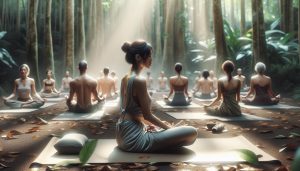
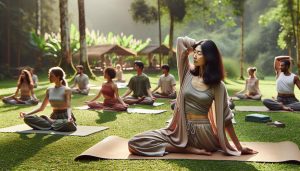
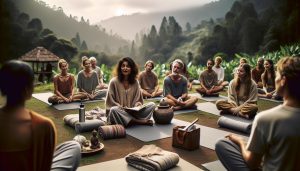
Yoga retreats offer a unique opportunity to immerse yourself in wellness practices that promote relaxation, mindfulness, and self-discovery. Whether you’re seeking a break from daily stress or aiming to deepen your yoga practice, establishing a well-balanced daily schedule at a retreat can enhance your experience. Imagine beginning each day with invigorating yoga sessions, enjoying nourishing meals, and participating in restorative workshops-all designed to rejuvenate your body and mind. As you explore the ideal daily bliss schedule, you’ll discover how each moment can contribute to your overall well-being, fostering a sense of balance and connection. Ready to embark on a journey that nurtures your spirit and aligns with your wellness goals? Let’s dive in and create a fulfilling retreat experience tailored just for you.
What to Expect on Your Yoga Retreat

Embarking on a yoga retreat can be a transformative experience, designed to rejuvenate not just your body, but your mind and spirit as well. Typically set in serene locations that foster tranquility, a yoga retreat offers a structured yet flexible schedule aimed at facilitating a deeper connection with oneself and one’s surroundings. There’s often a rich tapestry of activities awaiting participants, all revolving around enhancing well-being and mindfulness.
You can expect a beautifully curated daily schedule that emphasizes balance and harmony. Mornings might begin with gentle yoga sessions, allowing you to awaken your body and mind ahead of the day’s adventures. Following your practice, nourishing meals, often based on local and organic ingredients, provide the energy needed for various activities throughout the day. This combination of physical activity and proper nourishment helps establish a rhythm that visitors quickly adapt to, fostering a deeper sense of relaxation.
Throughout the day, you’ll likely engage in a range of activities designed to enrich your experience. Aside from yoga classes that may vary in intensity, you might partake in meditation sessions, nature walks, or even workshops led by guest instructors. Each element is intentionally included to enhance your journey-whether it’s through deepening your yoga practice or learning new techniques that you can integrate into daily life at home. The intertwining of movement and mindfulness ensures that each moment spent during the retreat is meaningful.
Ultimately, arriving at a yoga retreat means you’re entering a space where self-discovery and rejuvenation are at the forefront. The dedication to creating an atmosphere that encourages introspection, relaxation, and connection, both with nature and fellow participants, sets the stage for a truly unique travel experience. Embrace the journey, knowing that every activity contributes to your holistic well-being.
Building Your Daily Bliss Schedule
Creating a harmonious daily schedule is key to maximizing your experience on a yoga retreat. This thoughtfully designed structure not only supports your wellness goals but also enhances the overall retreat experience, allowing for a perfect blend of activity and tranquility. A typical day can be organized to ensure that each moment of your retreat is purposeful and enriching.
In the morning, it’s common to start with a gentle yoga session around sunrise. This practice allows participants to awaken their bodies and minds gently while connecting with the serene surroundings. Following yoga, you can enjoy a wholesome breakfast composed of local and organic ingredients. Think nourishing smoothies, fresh fruit, and whole grains that fuel your day ahead.
As the day progresses, midday sessions typically include a mix of yoga classes tailored to various skill levels or specific themes, such as alignment, breathwork, or even restorative practices. Coupled with these classes, meditation sessions can deepen your connection to self, while enriching your focus and clarity. Nutritional lunches, often featuring vegetables harvested from local gardens, provide not just sustenance but also opportunities to explore culinary varieties.
Afternoons might include nature walks, mindfulness activities, or workshops hosted by guest instructors, giving participants a chance to integrate lessons learned during yoga practice. This space allows time for personal reflection or simply soaking in the beauty of the environment, making it a pivotal part of your day. To round off your day, a nourishing dinner becomes a communal experience, fostering connections among participants through shared healthful meals.
End the day with a dedicated wind-down period – perhaps a restorative class or a guided relaxation that encourages letting go of the day’s activities. Incorporating this balance of movement and rest not only establishes a rhythm that fosters relaxation but also ensures you leave feeling rejuvenated, having nurtured both body and spirit. Embrace the unique blend of activities each day; this structured bliss is designed to cultivate well-being and transformation throughout your retreat journey.
Morning Rituals for Mindful Awakening

Awakening to the soft glow of dawn can transform your experiences at a yoga retreat, setting a positive tone for the day ahead. Establishing morning rituals is essential for cultivating mindfulness and aligning your mental and physical state. The early hours present a unique opportunity to engage in practices that ground you, enhance your focus, and invite a sense of serenity.
A gentle morning yoga session, often held outdoors to embrace nature’s tranquility, can effectively awaken your body and spirit. Engaging in movements tailored to stretch and invigorate you prepares you for the day’s activities. Consider incorporating practices such as sun salutations or restorative poses to foster a deeper connection with your breath and environment. Following this, a moment of stillness for meditation can deepen your awareness, allowing you to set intentions for the day.
After yoga and meditation, savor a nutritious breakfast featuring locally sourced, organic ingredients. Think vibrant smoothies, seasonal fruits, and wholesome grains that not only nourish the body but also promote mindfulness through the act of eating. Engage your senses during this meal-notice the colors, textures, and flavors. This practice not only fuels your body but also encourages a positive mindset and appreciation for the simple joys of life.
To further cultivate your morning bliss, try integrating journaling or reading into your routine. Taking a few moments to jot down thoughts, feelings, or gratitude can enhance your self-awareness, offering clarity and perspective as you navigate your retreat journey. Embracing these morning rituals will lay a solid foundation for a fulfilling day, paving the way for personal growth and connection with the community around you.
Midday Practices to Elevate Your Energy

Finding ways to elevate your energy during a yoga retreat can significantly enhance your overall experience. Midday practices often provide a welcome boost, allowing participants to recharge and refocus as they move through the day’s schedule. Engaging in mindful activities during this time not only revitalizes your body but also nurtures your mental clarity, setting a positive tone for the unfolding experiences of the retreat.
One effective way to invigorate yourself is through a midday yoga session that focuses on energizing poses such as warrior II, tree pose, and pigeon pose. These postures help open the hips, strengthen the legs, and encourage better blood circulation-all essential for combating the midday slump. Consider pairing these sessions with breathwork exercises like ujjayi breathing, which can amplify the energizing effects of movement and increase mental alertness.
In addition to yoga, consider integrating elements of meditation or visualization into your midday practices. Taking a brief pause to practice mindfulness-whether through a walking meditation in nature or a simple sit down with closed eyes-can help recenter your focus and clear the mind. For those who enjoy journaling, capturing thoughts related to your practice or intentions for the rest of the day can further enhance this midday ritual, promoting personal reflection and clarity.
Ultimately, combining physical activity with mental relaxation creates a holistic midday routine that nurtures both body and spirit. Actively participating in these practices not only elevates your physical energy but also cultivates a sense of community, as sharing the experience with fellow retreat-goers can deepen connections and enhance the overall atmosphere of positivity and growth.
Afternoon Exploration: Mindfulness and Movement
Engaging in afternoon exploration during a yoga retreat offers the perfect opportunity to deepen your connection to mindfulness and movement. This part of the day invites participants to step away from structured practices and embrace the freedom of self-guided activities that evoke personal discovery and rejuvenation. Whether it’s through guided nature walks, dance, or breathwork sessions, the objective is to harmonize your mind, body, and spirit, enhancing the restorative benefits of your overall retreat experience.
Consider incorporating mindful movement practices such as tai chi or qigong into your afternoon schedule. These gentle yet powerful forms of movement foster physical balance while promoting a meditative state of mind. Participants can benefit from the fluid motions that encourage awareness of their physical sensations, breathing, and surroundings. Additionally, stepping outside for a moment of mindful walking can help reconnect you with nature, allowing you to fully absorb the beauty surrounding you, whether in lush forests, tranquil beaches, or serene gardens.
If you’re looking to explore creativity, consider joining an experiential workshop that combines mindfulness with artistic expression. Activities like painting, pottery, or journaling can serve not only as forms of relaxation but also as avenues for self-exploration. The process of creating while being present in the moment can reveal deep insights and foster a sense of fulfillment.
Remember that the afternoon is also a time to honor your individual needs. Listening to your body and allowing yourself to rest when necessary is crucial. This balance between structured exploration and personal reflection creates a holistic experience that truly embodies the tenets of yoga-a union of your physical, mental, and emotional well-being. Embrace these moments as essential components of your retreat, as they cultivate a sense of community, connection, and personal transformation.
Nourishing Meals: Healthy Eating at Retreats
The culinary experience at a yoga retreat plays a crucial role in nourishing not only the body but also the mind and spirit. Healthy meals are often designed with intentionality, emphasizing fresh, organic ingredients that promote overall well-being and complement the practices of yoga and meditation. Knowing what to expect in terms of dining helps participants embrace the retreat experience more fully, enhancing both their physical vitality and their mental clarity.
Meals at retreats typically focus on whole, plant-based foods, which can include an array of colorful vegetables, whole grains, legumes, nuts, and seeds. These foods not only provide essential nutrients but also aid in detoxification, helping the body to cleanse and energize during the retreat period. Look for menus that feature a variety of dishes, allowing you to explore new flavors and textures. Common offerings might include:
- Breakfast: Smoothie bowls topped with fresh fruits, granola, and seeds; oatmeal sprinkled with nuts and berries; or savory vegetable frittatas.
- Lunch: Buddha bowls filled with quinoa, roasted veggies, and greens; hearty soups; or wholesome salads drizzled with vibrant dressings.
- Dinner: Stir-fries made with seasonal vegetables and tofu; whole grain pasta with fresh herbs and sauces; or comforting stews.
The dining environment is often just as important as the food itself. Many retreats offer communal dining, creating a space for participants to connect, share experiences, and cultivate community while enjoying their meals. This tradition of eating together can enhance the sense of belonging and support, reinforcing the retreat’s holistic approach to wellness.
In addition to regular meals, hydration is emphasized throughout the retreat. Participants are encouraged to drink ample water, herbal teas, or infused waters that can nourish and cleanse. Some retreats may also offer nutrition workshops or cooking classes where guests can learn about the benefits of various foods and how to prepare nourishing meals at home, fostering long-lasting healthy habits.
Ultimately, the attention given to meals during a yoga retreat encourages participants to appreciate the connection between what they eat and how they feel, supporting their journey towards mindfulness, balance, and holistic wellness during their time away from daily routines.
Evening Wind Down: Relaxation Techniques
As the sun dips below the horizon, casting a golden glow over your surroundings, the evening at a yoga retreat becomes a sacred time to wind down and reflect. The transition from the vibrant energy of the day to the calm of the night is essential for rejuvenation and preparation for restful sleep. Engaging in relaxation techniques can help channel the day’s experiences, allowing participants to integrate their practices and insights before retreating to a restorative slumber.
An effective way to begin the evening wind-down is through gentle yoga or stretching sessions. These practices can alleviate any physical tension built up during the day, promoting bodily relaxation and mental clarity. Incorporating restorative poses, such as legs-up-the-wall or child’s pose, can facilitate deep releases in the body while inviting a tranquil state of mind. Following this, guided meditation or mindfulness practices can further enhance relaxation, enabling participants to slow their breath and become more attuned to the present moment.
Creating an intentional environment also plays a significant role in winding down. Many retreats emphasize the use of calming scents, such as lavender or sandalwood, through essential oils or incense to establish a soothing atmosphere. Dim lighting or candles can further enhance the serene ambiance, encouraging participants to let go of the day’s stresses. It’s beneficial to carve out time for journaling or reflective practices, allowing individuals to express their thoughts and emotions, which may aid in processing the day’s experiences and embracing self-awareness.
Additionally, group sharing circles can foster a sense of connection and support among participants. These circles can offer a safe space for sharing insights, gratitude, and intentions, strengthening community bonds while enhancing individual experiences. Following the communal time, participants might enjoy chamomile tea or relaxing herbal infusions to aid digestion and promote restful sleep, completing the evening routine in a comforting manner.
In summary, the evening hours of a yoga retreat are a unique opportunity to nurture relaxation methods that not only soothe the body and mind but also foster a deeper connection with oneself and the community. By integrating gentle movement, meditation, a calming environment, and shared experiences, participants can prepare themselves for a restorative night’s sleep, ready to embrace the insights and energy of the following day.
Connecting with Nature: Outdoor Activities
Being surrounded by nature enhances the healing benefits of a yoga retreat, offering a perfect backdrop for reflection, rejuvenation, and connection. Engaging in outdoor activities not only complements your yoga practice but also enriches your experience, fostering a deeper bond with the environment and promoting holistic well-being. Embracing the natural world allows participants to tap into the tranquility and grounding that outdoor settings provide, amplifying the restorative effects of yoga.
This connection can be cultivated through a variety of activities tailored to enhance the retreat experience. Morning walks or hikes can invigorate your senses while allowing you to appreciate the beauty of your surroundings. Connecting with nature in this way encourages mindfulness-paying attention to each step, the sounds of the forest, or the rustling leaves. Consider organizing guided nature walks led by local experts who can share insights on native flora and fauna, helping participants cultivate awareness and appreciation of their environment.
Incorporating outdoor yoga sessions offers an opportunity to practice asanas in a refreshing setting, merging the tranquility of yoga with the healing power of nature. Participants can experience yoga near a tranquil lake, under a canopy of trees, or on a serene beach, embracing the elements as part of their practice. Additionally, activities such as tai chi, guided meditation, or simple breathing exercises can be performed outdoors, promoting deep relaxation and enhancing the sense of unity with nature.
To maximize the benefits of outdoor activities during your retreat, consider the following tips:
- Stay Hydrated: Ensure you drink plenty of water, especially during physical activities.
- Dress Appropriately: Wear comfortable clothing suitable for the weather and activities planned.
- Mind Your Surroundings: Practice environmental mindfulness-close your eyes, listen to the natural sounds, and immerse yourself in the experience.
- Group Activities: Encourage participants to engage in team-building exercises like nature scavenger hunts, which can foster community bonds.
Embracing outdoor activities during a yoga retreat creates a dynamic environment for exploration and self-discovery, enhancing the overall experience and leaving participants revitalized. Whether you take mindful walks, practice yoga under the sun, or simply sit in silence amid nature, these moments will surely form lasting memories and deepen your understanding of inner peace.
The Importance of Group Dynamics
The harmonious interplay of group dynamics plays a crucial role in enhancing the overall experience of a yoga retreat. Participants come from diverse backgrounds, and their collective energy can significantly elevate individual practices and foster a sense of community. Sharing experiences, intentions, and personal stories helps create a safe space where everyone feels seen and heard, which can deepen personal insights and connections with others.
Building relationships during a retreat often leads to collaborative practices, allowing individuals to explore new styles or techniques together. For instance, group discussions can be initiated post-session to reflect on what was learned or felt during yoga practices, encouraging participants to gain new perspectives and insights. These exchanges not only enrich personal practices but also cultivate an environment of support and encouragement, which can be especially powerful in moments of vulnerability.
Engaging in group activities-like partner yoga, team-building exercises, or group meditations-can enhance trust and communication among participants. Such shared experiences create a bond that may continue beyond the retreat, reinforcing a network of support that can help individuals maintain their wellness journey. Participants may find comfort in knowing others are navigating similar paths, and this camaraderie can be a powerful motivator for personal growth.
To maximize the benefits of group dynamics, here are some practical suggestions:
- Encourage Inclusivity: Foster an environment where everyone feels comfortable contributing, regardless of their skill level.
- Create Opportunities for Interaction: Design activities that facilitate interaction, such as group discussions or collaborative workshops.
- Practice Active Listening: Encourage participants to practice empathy and attentiveness during conversations, reinforcing the importance of being present with one another.
- Build Trust Through Shared Experiences: Create moments for vulnerability, like sharing personal intentions or challenges, to deepen connections.
Finding and nurturing group dynamics can be transformative, as it allows participants to draw strength from one another, resulting in a more enriched yoga retreat experience. By cultivating connections that transcend the retreat, attendees can create lasting friendships and networks that support their ongoing journey toward well-being.
Incorporating Personal Reflection Time
Finding moments for personal reflection during a yoga retreat is essential for deepening the insights gained from daily practices and fostering a deeper connection with oneself. These periods of introspection allow participants to process their experiences, clarify their intentions, and establish a more profound understanding of their personal journeys. Engaging in self-reflection can act as a catalyst for growth, enabling attendees to absorb lessons learned through yoga and meditation practices.
Consider incorporating a variety of reflection techniques into your daily routine. Journaling is a powerful method that encourages you to articulate thoughts and feelings, helping to solidify your experiences. Set aside time each day to write about your feelings after practice, new insights, or any challenges you faced. This practice not only aids in self-discovery but also serves as a tangible record of your journey during the retreat. Prompt questions could include: What did I learn today? How did I feel during my practice? What intentions do I want to carry forward?
Another effective form of personal reflection is through mindful nature walks. Immersing yourself in the natural surroundings of your retreat environment can enhance your sense of tranquility and openness. During these walks, focus on your breath and the sensations of the moment-notice the rustle of leaves, the warmth of the sun, or the feel of the earth beneath your feet. Use this time to contemplate your experiences or let your mind wander, allowing insights to bubble up naturally without pressure.
Lastly, consider structured reflection sessions within the retreat’s schedule. Allocate specific times for group or solo discussions where participants can share their thoughts and feelings. This creates space for accountability and support, as you may find that others resonate with your experiences, leading to deeper connections and shared growth. Remember, the power of personal reflection lies in its potential to spark transformations that extend beyond the retreat experience into your daily life.
Special Events: Workshops and Guest Instructors
Special events like workshops and guest instructor sessions can significantly enrich your experience at a yoga retreat, offering participants opportunities to delve deeper into their practice and explore new dimensions of wellness. These specialized offerings often feature experts in various fields, providing a unique blend of yoga styles, techniques, and holistic approaches that go beyond the daily classes.
Types of Workshops
Workshops may cover a range of topics, including specialized yoga styles such as Ashtanga, Iyengar, or Kundalini, as well as complementary practices like meditation, pranayama (breathwork), and Ayurveda. This variety allows attendees to explore different aspects of yoga and discover what resonates with them. Typical workshop formats include:
- Thematic Workshops: Focus on specific themes like self-discovery, emotional healing, or grounding techniques.
- Skill-Building Sessions: Designed to enhance particular skills such as arm balances, backbends, or restorative yoga techniques.
- Holistic Health Workshops: Cover topics such as nutrition, wellness, or holistic healing practices.
Guest Instructors
The inclusion of guest instructors can further elevate the retreat experience. Each instructor brings their unique perspective, teaching style, and expertise. Engaging with diverse educators not only broadens your knowledge but also introduces you to different philosophies and practices within the realm of yoga. This exposure can catalyze personal growth and inspire a fresh outlook on your practice.
Participating in sessions led by guest instructors often provides valuable insights and encourages openness to exploring new forms of exercise and meditation. Additionally, you may find opportunities for one-on-one interaction, allowing for tailored guidance that can enhance your technique and deepen your understanding.
Making the Most of Special Events
To maximize your experience during workshops and sessions with guest instructors, consider the following tips:
- Be Open-Minded: Approach each workshop with a willingness to learn and explore outside your comfort zone.
- Engage Actively: Participate fully, ask questions, and connect with both instructors and fellow participants.
- Take Notes: Document your insights and any techniques that resonate; this will help you integrate the teachings into your practice.
- Reflect: After each session, take time to process what you learned and how it may apply to your personal journey.
These special events can transform a standard yoga retreat into a truly immersive experience, inspiring participants to cultivate skills and knowledge that extend well beyond their time spent at the retreat. Engaging in workshops and learning from guest instructors can spark profound insights and enhance well-being, making your retreat more than just a getaway, but a pivotal moment in your wellness journey.
Tips for Maximizing Your Retreat Experience
To truly immerse yourself in a yoga retreat and maximize the benefits, it’s essential to adopt a proactive mindset and engage deeply with the entire experience. A retreat is not just a break from routine; it’s an opportunity for transformation and rejuvenation. Embracing this mindset from the start can help you absorb the lessons and practices that resonate most with you.
Be Open to New Experiences: One of the most valuable aspects of a yoga retreat is the chance to explore unfamiliar practices and teachings. Whether it’s trying out a different style of yoga, participating in workshops focused on non-yogic disciplines, or sampling new foods, approach each experience with an open heart and mind. This willingness to embrace the unfamiliar can lead to unexpected insights and personal growth.
Establish Daily Intentions: Starting each day with a personal intention can enhance your retreat experience. Taking a moment to reflect on what you hope to achieve or explore can help you stay focused and present. Consider journaling your thoughts each morning to clarify your intentions and track your progress throughout the retreat.
Engage with the Community: Building connections with fellow participants is an integral part of the retreat experience. Make an effort to strike up conversations and share experiences. Engaging with others can create a sense of camaraderie and support, enriching your journey. Participating in group activities or simply sharing meals can foster deeper connections, enhancing both your social and spiritual experiences.
Reflect Frequently: Take time each day to reflect on your experiences, insights, and feelings. This can be done through journaling, meditation, or quiet contemplation. Reflecting helps you process your experiences and can highlight key takeaways that deepen your understanding of your yoga practice and personal journey.
By integrating these approaches into your yoga retreat, you can enhance your experience and create a more profound connection to the practices, your fellow participants, and yourself. Make the most of this unique opportunity to grow, learn, and rejuvenate.
Q&A
Q: What should I pack for a yoga retreat?
A: When packing for a yoga retreat, include comfortable yoga attire, a reusable water bottle, a yoga mat (if not provided), personal hygiene products, and any preferred yoga props. Additionally, bring layers for varying climates and essentials like a journal for personal reflection.
Q: How can I prepare mentally for a yoga retreat?
A: To prepare mentally for a yoga retreat, practice mindfulness and meditation beforehand to center yourself. Set intentions for the retreat experience and consider what you aim to gain, whether it’s relaxation, skill enhancement, or self-discovery.
Q: How do yoga retreats benefit beginners?
A: Yoga retreats are particularly beneficial for beginners as they provide immersive instruction and an opportunity to learn foundational poses in a supportive environment. Additionally, they promote relaxation and mindfulness, helping newcomers feel more at ease with their practice.
Q: What types of meals are typically served at yoga retreats?
A: Most yoga retreats emphasize healthy, nourishing meals that prioritize whole foods, often focusing on vegetarian or vegan options. Meals are typically designed to energize participants while promoting wellness, with attention to dietary restrictions and preferences.
Q: Are yoga retreats suitable for all fitness levels?
A: Yes, yoga retreats cater to all fitness levels, including absolute beginners. Many retreats offer classes tailored to varying abilities, ensuring everyone can participate comfortably and receive guidance suited to their skill level.
Q: What activities can I expect beyond yoga at a retreat?
A: Besides yoga classes, retreats often include activities like meditation sessions, hiking, wellness workshops, and community gatherings. These additional offerings enrich the experience and promote holistic well-being alongside yoga practice.
Q: How do I find the right yoga retreat for my needs?
A: To find the right yoga retreat, consider your goals, preferred style of yoga, location, duration, and budget. Research specific retreats through reviews and details about instructors. This will help ensure the retreat aligns with your personal wellness objectives.
Q: What should I expect on the first day of a yoga retreat?
A: On the first day of a yoga retreat, expect an orientation session to meet instructors and fellow participants, as well as an overview of the schedule. This is also a great time to establish personal intentions and get settled into your surroundings.
Closing Remarks
As you embrace the transformative experiences outlined in “What to Do at a Yoga Retreat: Daily Bliss Schedule,” remember that every moment can deepen your connection to wellness and self-discovery. By integrating mindfulness practices and creating a balanced routine, you will cultivate lasting peace and rejuvenation. Don’t miss the opportunity to explore additional resources like our guides on Choosing the Perfect Yoga Retreat and Essential Packing Tips for Wellness Travel to enhance your journey further.
Ready to take the next step? Sign up for our newsletter for exclusive insights and updates on future retreats that align with your wellness goals. Share your thoughts in the comments and connect with fellow travelers to exchange experiences and tips. Dive deeper into the world of wellness travel, and let each new adventure empower your mind and body. Your blissful journey awaits!
Get our latest guides, news, and insights highlighted in your Google Search & AI Overviews.