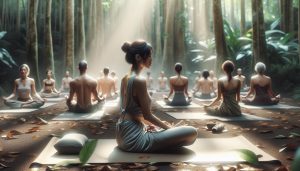
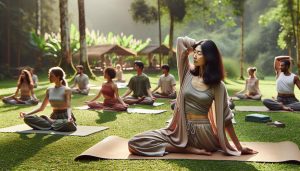
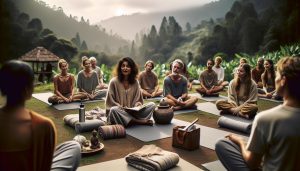
Imagine stepping into a serene sanctuary where every moment is dedicated to your well-being. A yoga retreat offers not just a break from routine but a structured path to rejuvenation and growth. Understanding how to navigate your day during such a transformative experience is essential. This guide, “What to Do in a Yoga Retreat: Perfect Day Blueprint,” will unveil the ideal balance of yoga sessions, mindfulness practices, and personal time, helping you maximize your retreat experience. Whether you’re a seasoned yogi or a newbie seeking tranquility, you’ll discover actionable strategies to make the most of your days. Get ready to deepen your practice, connect with nature, and often, find the clarity you’ve been seeking in your everyday life. Dive in to learn how to create meaningful moments that will resonate long after your retreat ends.
Choosing the Right Yoga Retreat for You
Selecting the right yoga retreat can be a transformative experience, but with countless options available, it’s crucial to find a retreat that aligns with your personal goals and preferences. To start, consider what you hope to achieve during your retreat. Whether it’s deepening your yoga practice, achieving relaxation, or connecting with nature, defining your intention will guide your choices.
Beyond your goals, think about the retreat style that suits you best. Some retreats focus heavily on physical yoga, while others may emphasize meditation or holistic wellness practices. Research the instructors’ backgrounds, their teaching styles, and the overall philosophy of the retreat. Look for a retreat that resonates with your values and provides the type of environment you thrive in, whether that’s a tranquil beach setting, a serene mountain hideaway, or a bustling urban center.
Additionally, assess practical details such as retreat duration, location, and budget. Some beginners might find shorter retreats or those within close proximity to home less daunting, while seasoned practitioners may seek longer or travel-intensive experiences. Consider the amenities offered: do you desire luxurious accommodations or a rustic, back-to-nature experience? A well-rounded perspective on these aspects will help ensure that your retreat is fulfilling and enjoyable.
Lastly, read reviews and connect with past participants when possible. Their insights about what to expect can provide invaluable guidance in making your decision. Ultimately, choosing the right yoga retreat is about finding a space that not only meets your physical needs but also nourishes your spirit and supports your journey to wellness.
Essential Items to Pack for Your Retreat
Packing for a yoga retreat can greatly enhance your experience, ensuring that you’re prepared for both physical practices and moments of relaxation. To cultivate a sense of comfort and support your wellness journey, it’s important to consider a blend of essential items tailored to your activities and personal needs.
Start with the basics: yoga gear such as a high-quality mat that provides durability and cushioning. If space allows, consider a travel mat for convenience. Don’t forget comfortable clothing suited for movement, including breathable tops and leggings or shorts that allow for range of motion. A light layer for cooler mornings or evenings can also be beneficial. Ensure to include toiletries, keeping in mind any eco-friendly or organic options that adhere to your wellness focus. Additionally, bring a refillable water bottle to stay hydrated-many retreats prioritize sustainability.
Beyond the physical essentials, think about bringing self-care items like a journal for reflection, wellness books to inspire your journey, and any necessary medications or a small first aid kit for minor emergencies, as you may be participating in various physical activities. You might also want to pack an assortment of snacks-healthy options like nuts, dried fruits, or protein bars can be helpful to have on hand between meals.
Lastly, consider your personal well-being by including luxury items that bring you joy, whether it’s a cozy blanket for meditation, aromatherapy oils for relaxation, or a camera to capture those memorable moments. Preparing these essentials can significantly enhance your retreat experience, allowing you to focus on stretching your body, calming your mind, and nurturing your spirit.
Morning Rituals: Starting Your Perfect Day
Starting your day with intentional rituals can set a positive tone for the rest of your time at a yoga retreat, nurturing both your mind and body. These morning practices help to cultivate mindfulness, enhance your overall experience, and prepare you for the activities that lie ahead. Morning rituals can be simple yet profound, offering a chance to connect deeply with yourself and your surroundings before the day’s events unfold.
Begin with a moment of stillness. As soon as you wake up, take a few deep breaths, allowing yourself to transition from sleep to wakefulness gracefully. This moment of meditation can be as brief as two to five minutes, focusing on your breath or repeating a mantra that aligns with your intentions for the retreat. Consider finding a quiet space outside where you can appreciate the natural beauty around you. Observing the early morning light and sounds of nature can enhance this experience.
Following this meditative practice, engage in gentle movement to awaken your body. This could be a series of stretches, a few sun salutations, or even a short walk to connect with the environment. The goal is to shake off any stiffness from sleep and energize your body for the day ahead. Pairing your movement with conscious breathing helps cultivate a sense of presence and groundedness.
Nutrition also plays a critical role in your morning routine. If your retreat includes breakfast, enjoy your meal mindfully. Savor each bite, paying attention to flavors, textures, and the nourishment your food provides. If you prepare your breakfast, choose wholesome ingredients that energize you, such as overnight oats, smoothies, or a vibrant fruit salad. Engaging with your food in this conscious manner promotes gratitude and enhances your overall well-being.
Incorporating these morning rituals can not only enhance your retreat experience but also inspire a lasting commitment to your wellness journey. By dedicating this time to nurture your mind, body, and spirit, you set the stage for a fulfilling day of growth, connection, and exploration.
Mindful Movement: Class Options to Explore
Engaging in mindful movement during a yoga retreat can transform your experience, promoting both physical and mental well-being. These classes not only provide an opportunity to deepen your yoga practice but also allow you to explore various styles that resonate with your personal journey. From gentle flow sequences to vigorous sessions aimed at building strength, there is a diverse array of class options to choose from.
Class Options to Consider
- Hatha Yoga: A classic approach focusing on physical postures (asanas) and breath control (pranayama). Perfect for beginners or anyone seeking a slower pace that emphasizes alignment and mindfulness.
- Vinyasa Flow: This dynamic style links movement with breath, creating a fluid and energetic practice. It’s ideal for those who enjoy a more invigorating experience, encouraging a rhythm that is both meditative and challenging.
- Restorative Yoga: Using props to support the body, this practice promotes deep relaxation. It’s excellent for easing tension and stress, making it a perfect complement to more challenging classes throughout the retreat.
- Yin Yoga: Targets connective tissues and fascia through long-held poses. It’s especially useful for those looking to cultivate patience and deepen their flexibility.
- Mindful Movement: Incorporates elements from various disciplines such as Tai Chi or Qigong, focusing on slow, deliberate movements that enhance body awareness and connectivity to the present moment.
Each of these styles brings its own benefits and experiences, allowing you to tailor your retreat to your specific needs and preferences. It’s important to listen to your body and choose classes that resonate with your current state of mind and energy levels.
Integrating Mindful Movement into Daily Routine
Exploring mindful movement doesn’t stop at scheduled classes. Incorporating short sessions of movement throughout the day can enhance your overall experience. Consider participating in group walks, mindful stretching between activities, or even brief sessions of guided breathwork. These practices can reinforce the principles you’ve learned in class and create a continuous loop of mindfulness during your retreat.
By selecting the classes and incorporating mindful movement into your daily routine, you can maximize the benefits of your yoga retreat. These experiences not only foster relaxation and rejuvenation but also build a solid foundation for integrating mindfulness into your life beyond the retreat. Embrace the opportunity to discover and connect with your body in new and meaningful ways.
Healthy Eating: Meal Planning on Retreat
Nourishing your body with healthy food during a yoga retreat is essential for sustaining energy levels and facilitating deeper connections to both mind and body. Thoughtful meal planning allows participants to embrace a wholesome diet that aligns with the retreat’s overall wellness goals. Many retreats offer farm-to-table dining experiences that maximize the use of local, organic ingredients, ensuring vibrant and nutritious meals that enhance your yoga practice. Menu options often include vibrant salads, warming soups, and fresh fruit, providing a balanced diet rich in vitamins and minerals.
To optimize your dining experience, consider participating in meal planning workshops that some retreats offer. These sessions often delve into the philosophies of mindful eating, allowing you to connect more deeply with the food you consume. They emphasize the importance of not just the nutritional values but also the sensory experiences of taste, texture, and presentation. Engaging with food in this way can transform meals into moments of mindfulness that enhance your overall retreat experience.
Many retreats focus on accommodating various dietary preferences, including vegan, gluten-free, and raw food diets. This inclusivity allows participants to nourish themselves based on personal health needs while exploring new culinary options. For example, smoothie bowls topped with seeds, nuts, and fresh fruits can serve as a nutritious breakfast, while protein-packed quinoa salads offer a satisfying lunch. Raw food options like gazpacho or fresh vegetable platters with dips are also popular, promoting the intake of vital nutrients without extensive cooking processes.
When it comes to maintaining your healthy eating habits outside the retreat, consider taking notes or collecting recipes during your stay. Understanding how to balance flavors and ingredients can empower you to replicate some of the meals at home, ensuring that the mindfulness you practiced during the retreat becomes a lasting habit. This approach not only supports your physical journey but also helps you cultivate a more intentional lifestyle centered around health and wellness.
Building Connections: Social Activities at Retreats
Creating meaningful connections while attending a yoga retreat can significantly enhance your overall experience, making it not just a journey of self-discovery, but also one of community and support. Whether you are a seasoned yogi or a newcomer, engaging in social activities helps foster a sense of belonging that extends beyond the retreat. Many participants find that the friendships formed during these events can last well beyond the conclusion of the retreat, acting as a source of inspiration and motivation in their daily lives.
One of the most enjoyable ways to build connections is through group activities. Many retreats offer organized outings-such as hiking, beach walks, or cultural excursions-that encourage participants to engage with each other outside of the yoga studio. These shared adventures create opportunities for conversation and laughter, allowing attendees to bond over shared experiences while immersing themselves in the local culture. Participating in workshops centered around topics like meditation, holistic wellness, or creative arts can also be an excellent way to connect with fellow attendees, as shared interests often spark deeper discussions and friendships.
Additionally, many retreats implement daily communal meals or socials, where guests gather to enjoy nourishing food prepared with love. These mealtimes are often informal, encouraging people to share their thoughts on the day’s activities, personal insights, or even their yoga journey. Such an environment naturally fosters interaction, often leading to impromptu conversations and the forming of tight-knit groups. Furthermore, participating in evening reflection activities or meditation circles can deepen these connections, as sharing personal stories in a supportive setting helps cultivate empathy and mutual understanding.
Finally, engaging in social media groups or retreat-specific forums both before and after the event can help maintain these budding friendships. Participants are often encouraged to share experiences and photos, creating an ongoing sense of community. Such platforms allow attendees to stay connected, plan future meet-ups, or even embark on new retreats together, reinforcing the bonds formed during their shared experience. In short, taking part in social activities at a yoga retreat can transform an individual experience into a collective journey, enriching both personal practice and community spirit.
Exploring Nature: Outdoor Experiences to Enjoy
Nature offers an unparalleled backdrop for enhancing your yoga retreat experience, creating a perfect synergy between movement, mindfulness, and the great outdoors. Immersing yourself in natural surroundings not only promotes physical well-being but also fosters mental clarity and emotional balance. Whether you are practicing yoga on a scenic hilltop or embarking on a meditative hike, the outdoors enrich every moment, allowing you to connect more deeply with both yourself and the world around you.
Exploring your environment through outdoor activities can transform a day at a retreat into an adventure of self-discovery. Many retreats schedule guided hikes where participants can enjoy the beauty of the landscape while engaging in mindfulness exercises. These hikes often encourage participants to reflect and observe their surroundings, enhancing the meditative quality of the experience. Imagine walking through a tranquil forest, balancing your breath with the rhythms of nature, or practicing yoga poses in a meadow bathed in sunlight. These unique experiences are unforgettable and can deepen your overall yoga practice.
Additionally, engaging in other outdoor activities enhances social connections among participants. Organizing games, shared adventures like kayaking or guided nature walks, and cultural excursions can facilitate bonds among attendees. Taking part in such activities not only enriches your retreat experience but also provides common ground for building lasting friendships. For instance, sunset beach yoga or morning mountain meditation can be a perfect way to end or start the day, combining physical practice with the natural beauty surrounding you.
Don’t forget to maximize your outdoor experience by incorporating elements of self-care and exploration. Bring a journal to document your thoughts and feelings as you embark on these experiences. Create a routine that includes quiet moments of reflection in serene spots, or schedule time for some gentle stretches amidst breathtaking views. By embracing the outdoor elements of your yoga retreat, you enhance not only your connection to nature but also to yourself, making for a holistic journey of well-being.
Afternoon Relaxation: Self-Care Practices
After a morning filled with invigorating yoga and exploration, the afternoon presents a perfect opportunity to embrace self-care practices that nourish both body and mind. Engaging in these restorative activities not only enhances your retreat experience but also allows you to reflect and recharge for the remainder of your journey. Discovering how to carve out time for self-care can lead to profound insights and personal growth during your retreat.
Mindfulness plays a crucial role in this period of relaxation. Consider setting aside time for meditation or guided visualization, which are often included in retreats. These sessions can help you cultivate a deeper awareness of your thoughts and feelings, allowing you to center yourself. To create a tranquil environment, find a quiet area outdoors or seek a comfortable spot in your accommodation. You might choose to sit on a mat or lay back on a blanket, closing your eyes to focus on your breath, letting the soothing sounds of nature wash over you.
A popular self-care practice is journaling, which serves as both a reflective tool and a creative outlet. Bring a journal to your retreat and make it a daily ritual to jot down your thoughts, intentions, and experiences. This practice can illuminate insights gained through yoga and outdoor activities, fostering self-discovery. You might even find prompts from your instructors or fellow participants helpful to deepen your reflections. In addition, consider indulging in some light stretching or restorative yoga postures during the afternoon. Poses such as Child’s Pose or Legs-Up-the-Wall can ease tension and enhance your relaxation, making this time truly transformative.
To complement these practices, nourishing your body is essential. Plan for a healthy, light lunch that incorporates seasonal, local ingredients, and ensure to hydrate adequately throughout the day. Sharing your meals with other retreat participants fosters connection and enhances the communal aspect of self-care. Engaging in conversation about your day so far can enrich the experience and allow you to build meaningful relationships. By prioritizing self-care during the afternoon, you not only honor your well-being but also encourage a deeper, more connected retreat experience.
Engaging Workshops: Learning Opportunities
Participating in workshops during a yoga retreat can greatly enhance your overall experience, providing not just instruction, but opportunities for deep learning and personal growth. These workshops span a wide range of topics, from improving your yoga practice to exploring mindfulness techniques, and each can offer new perspectives and practical tools that you can take home. Engaging in these sessions allows you to delve deeper into subjects that resonate with you, creating a rich tapestry of knowledge that complements your yoga practice.
Workshops often feature experienced instructors who bring a wealth of knowledge and varied expertise. Consider a workshop on yoga philosophy, which can illuminate the deeper meanings behind your practice, enhancing your connection to it. Alternatively, a session on mindful eating may provide insights into nourishing your body in a holistic way, making a notable difference in how you approach meals both at the retreat and at home. Additionally, creative workshops like art therapy or dance can express emotions and encourage self-discovery, providing an outlet to explore your feelings in a different medium.
When selecting workshops, think about your personal goals and interests. Are you looking to deepen your physical practice? Look for sessions focused on advanced asanas or alignment techniques. If you’re interested in mental well-being, workshops on meditation, breathwork, or stress management can be incredibly beneficial. Furthermore, many retreats offer opportunities for community-building through group activities, so participating in workshops not only enhances individual learning but fosters connections with fellow attendees. This collaborative spirit can lead to lasting friendships and support networks, enriching your retreat experience.
As you plan your retreat, consider keeping a flexible schedule to make the most of the available workshops. Try to attend a variety of sessions, as exposure to different styles and subjects can broaden your understanding and practice. Make sure to engage with the instructors and fellow participants, sharing insights and asking questions. This interactive approach not only deepens your learning but also enhances the sense of community that is often a hallmark of retreat experiences. By fully immersing yourself in the workshops, you’ll return home not just with new skills, but with a rejuvenated spirit and a deeper connection to your practice.
Celebrating Your Journey: Evening Reflections
As the day winds down at a yoga retreat, the evening presents a unique opportunity for self-reflection and connection. This sacred time allows participants to celebrate their journeys, embracing both personal growth and shared experiences. Evening reflections can serve as a powerful tool for integrating the day’s lessons and preparing for the next day’s activities.
Creating a ritual around this time can enhance the experience. Consider gathering participants in a circle, where each person can share insights or highlights from their day. This practice fosters vulnerability and encourages deeper relationships among attendees. Sharing can range from the small victories, like mastering a new pose, to profound realizations about one‘s self or relationship to the world. To deepen this process, participants might keep a journal throughout their retreat, capturing thoughts, emotions, and experiences to share during evening reflections.
In addition to sharing, incorporating mindfulness activities such as guided meditations or breathwork can amplify the benefits of the reflections. These practices help to ground participants, cultivate gratitude, and clear the mind before sleeping, enhancing the quality of rest and preparation for the next day’s yoga sessions. Alternatively, you could conclude with a simple but powerful practice of gratitude, where each person names three things they are thankful for that day. This not only reinforces positive experiences but also sets a tone of appreciation that participants can carry into the next day.
Reflecting in the evening enriches the retreat experience, encouraging a deeper connection to oneself and the community. It allows for personal insights to emerge, forming a cohesive understanding of the journey taken over the retreat. By the time the lights go out, everyone leaves feeling uplifted, connected, and ready for the opportunities that lie ahead.
Maintaining Your Practice After the Retreat
Returning to your daily life after a yoga retreat can be both exciting and challenging. Many participants find that while the retreat provides a rich environment for deep reflection and practice, sustaining that momentum at home requires intention and commitment. To help ease this transition, it’s essential to create a plan that incorporates the lessons learned and the peace experienced during your time away.
Begin by establishing a consistent daily practice that mirrors the structure of your retreat. Set aside specific times for yoga and meditation, ensuring that these activities become non-negotiable parts of your routine. Starting your day with even a brief session-whether it’s 10 minutes of breathwork or a few sun salutations-can help anchor you in your practice and set a positive tone for the day ahead. Consider using an app or online resources to access guided sessions that remind you of the teachings from your retreat.
Connect With Your Retreat Community
Staying connected with your retreat companions can alleviate feelings of isolation and enhance your commitment to maintaining your practice. Create a group chat or social media group where everyone can share their experiences, successes, and challenges as they re-integrate into daily life. Regular check-ins can encourage accountability and ensure that the connections made during the retreat continue to flourish. Additionally, online group classes or workshops hosted by your retreat instructor can offer familiar structure and guidance, helping you feel supported even once you’re back home.
Embrace Mindful Living
Integrate the mindfulness practices you learned into everyday activities. Whether it’s being present during meals or taking mindful walks in nature, these small adjustments can foster a deeper sense of awareness and peace. Keeping a journal to reflect on your thoughts and feelings regularly can also help you process experiences and maintain a practice of gratitude. Set aside time each week to revisit insights from your retreat, reminding yourself of the transformative journey you undertook and the intentions you set for yourself.
Ultimately, the key to maintaining your yoga practice after a retreat is to prioritize it, find community support, and integrate mindfulness into your daily life. By committing to these practices, you will not only preserve the benefits gained during your retreat but also cultivate a sustainable wellness journey that continues to enrich your life.
Tips for Making the Most of Your Retreat Experience
When preparing for a yoga retreat, immersing yourself fully in the experience can transform it from a simple getaway into a profound journey of self-discovery and rejuvenation. To optimize your time at the retreat, begin by setting clear intentions. Consider what you hope to gain from this experience-whether it’s relaxation, healing, or connecting with like-minded individuals. By clarifying your goals, you create a focused mindset that enhances every session and activity.
Engage actively with all elements of the retreat. Don’t hesitate to explore diverse class options, ranging from gentle yoga to more vigorous practices. Each session presents a unique opportunity to learn something new about your body and mind. Additionally, make the most of communal activities. Sharing meals and participating in group discussions can deepen the bonds formed during the retreat, fostering an atmosphere of support and community. Remember that the relationships you build can inspire and motivate you long after the retreat ends.
Prioritize self-care throughout your stay. Integrate mindfulness practices into your daily routine, whether through meditation, healthy eating, or quiet time in nature. Ensure you take moments for yourself to reflect on your experiences and absorb the teachings offered. Consider journaling your thoughts or insights to preserve these reflections. This practice not only deepens your understanding but also serves as a valuable tool for revisiting your journey later.
Finally, stay open to spontaneity. Sometimes, the most memorable moments arise unexpectedly-like joining a last-minute workshop or connecting with another participant over a shared interest. Embrace the retreat’s flexibility and allow yourself to be guided by the present moment. This openness can lead to profound connections and insights, enriching your retreat experience beyond what you initially envisioned.
FAQ
Q: What activities can I participate in during a yoga retreat?
A: During a yoga retreat, you can join daily yoga classes, meditation sessions, wellness workshops, and outdoor activities such as hiking or nature walks. Engaging in meals with a focus on healthy eating and participating in group discussions or bonding activities also enriches the experience.
Q: How can I benefit from attending a yoga retreat?
A: Attending a yoga retreat allows for a deep immersion in wellness practices, personal reflection, and stress relief. You’ll gain new skills, connect with like-minded individuals, and leave feeling rejuvenated. The focused environment is conducive to establishing or deepening a personal yoga practice.
Q: What can I do to relax between yoga sessions at a retreat?
A: To relax between yoga sessions, consider practicing mindfulness techniques like journaling, reading, or meditating. You can also explore self-care practices such as receiving a spa treatment, enjoying nature walks, or simply resting with calming music or in a peaceful setting.
Q: How should I plan my day at a yoga retreat?
A: Plan your day around a balanced routine including yoga classes, meals, relaxation, and personal reflection. Start with morning yoga, enjoy nourishing meals, participate in engaging workshops, and allocate time for self-discovery, such as journaling or meditative walks.
Q: What mindset should I adopt for a successful yoga retreat experience?
A: Adopt an open and curious mindset, ready to embrace new experiences and let go of expectations. Being present and accepting will enhance your ability to connect with yourself and fellow participants, leading to a more fulfilling retreat experience.
Q: Are yoga retreats suitable for all experience levels?
A: Yes, yoga retreats often cater to all experience levels. Many provide classes for beginners as well as advanced practitioners, ensuring everyone can engage at their own pace. Make sure to choose a retreat that specifies its inclusivity in offerings.
Q: What should I do if I feel overwhelmed during a retreat?
A: If you’re feeling overwhelmed, take a few moments for yourself. Step outside for fresh air, practice deep breathing, or meditate. Communicate with the instructors or fellow participants; they can offer support and help you readjust your experience.
Q: How can I maintain the benefits of my retreat after returning home?
A: To maintain retreat benefits, establish a routine incorporating daily yoga and mindfulness practices, and set aside time for reflection. Consider joining local community classes or online sessions to stay connected with your practice and support network.
Insights and Conclusions
As you embark on your journey to a fulfilling yoga retreat, remember that the perfect day blueprint is just your starting point. Embrace the flexibility and beauty of your experience; every moment is an opportunity for growth, connection, and relaxation. If you’re eager to dive deeper, explore our articles on Mindfulness Practices to Enhance Your Retreat Experience and Packing Essentials for Wellness Travel-your next level of preparation awaits!
Don’t let uncertainty hold you back! Join our newsletter for valuable tips on selecting the right retreat and maximizing your wellness travel experiences. Share your thoughts or questions in the comments below-your insights could inspire fellow travelers. Keep exploring and enhancing your wellness journey, and let the transformation begin!
Get our latest guides, news, and insights highlighted in your Google Search & AI Overviews.