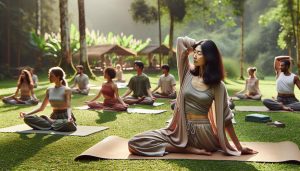
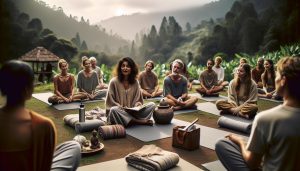
Embarking on a yoga retreat for the first time can be both exhilarating and daunting. Did you know that participating in a retreat not only deepens your practice but also offers a unique opportunity for self-discovery and relaxation? This guide is designed to answer all your questions and address any concerns, providing clarity on what to expect during your transformative experience. From daily schedules and accommodations to meal options and classes tailored for every level, we’ll break down the essentials to help you feel prepared. Whether you’re looking to unwind, deepen your practice, or connect with like-minded individuals, understanding the retreat environment is crucial. Keep reading to discover valuable insights that will ensure your first yoga retreat is memorable and enriching.
What to Expect from a Yoga Retreat: Key Benefits for First-Timers
Whether you’re seeking inner peace, physical rejuvenation, or a break from daily life, attending a yoga retreat offers a unique opportunity to immerse yourself in a supportive, nurturing environment. First-timers can expect a blend of structured activities and personal exploration, allowing for a profound transformation that can extend well beyond the retreat itself. With expert instructors guiding sessions and a community of like-minded individuals to foster connections, the experience can be both uplifting and rejuvenating.
One of the most significant benefits for newcomers is the chance to deepen their yoga practice. Retreats typically provide multiple daily yoga sessions that cater to various skill levels, ensuring that participants can grow in their practice regardless of where they start. This concentrated exposure not only enhances physical skills but also cultivates a mindful approach to movement and breath, laying a solid foundation for ongoing practice after the retreat concludes. Besides, the serene settings often found at these retreats-be it a beachside villa or a tranquil mountain lodge-serve as a backdrop that enhances relaxation and mental clarity, further supporting this transformative journey.
Additionally, a yoga retreat encourages a break from technology and the distractions of daily life, allowing participants to fully engage with their surroundings and their inner selves. This digital detox can be eye-opening, offering time for reflection and self-discovery, which can lead to enhanced mental well-being. Participants often report a greater sense of purpose and clarity after disconnecting from routine and reconnecting with their own sense of tranquility and mindfulness. Engaging in group activities fosters a sense of community, helping individuals bond over shared experiences and support one another throughout the journey.
Ultimately, embarking on a yoga retreat is an investment in both personal growth and physical health. First-timers will leave not just with new yoga techniques, but also with lasting friendships, insights into their own well-being, and practical tools to cultivate a more balanced and fulfilled life moving forward.
Types of Yoga Retreats: Finding Your Perfect Fit
When it comes to yoga retreats, the variety of options available can be both exciting and overwhelming. Whether you’re drawn to the tranquil ambiance of a mountain escape or the invigorating energy of a beachside setting, understanding the different types of yoga retreats can help you find your perfect fit. Each retreat offers unique themes, focuses, and experiences, which can significantly influence your overall experience and personal growth.
Types of Yoga Retreats
1. Traditional Yoga Retreats: These retreats emphasize a comprehensive yoga experience, typically integrating various styles such as Hatha, Vinyasa, or Ashtanga. Participants can expect multiple daily classes, meditation sessions, and workshops that delve into philosophy and practice. Traditional retreats are perfect for those looking to deepen their understanding of yoga.
2. Specialty Yoga Retreats: Catering to specific interests, these retreats might focus on themes such as restorative yoga, prenatal yoga, or yoga for athletes. They often feature expert instructors who provide tailored guidance. This type is ideal for individuals with specific goals or needs, making it easier to connect with like-minded participants.
3. Wellness and Detox Retreats: These are holistic experiences combining yoga with health and wellness practices, such as nutritious meal plans, detox programs, and spa services. Here, the emphasis is on rejuvenation, detoxification, and self-care. Participants can enjoy activities like nutritional workshops, mindfulness training, and alternative therapies, ideal for those needing a break from unhealthy habits or stress.
4. Adventure Yoga Retreats: For the more active individual, adventure yoga retreats combine yoga sessions with outdoor activities like hiking, surfing, or kayaking. These retreats often take place in stunning natural settings and are designed to excite both the body and the mind. They are perfect for those who want to explore new environments while integrating physical activity with their yoga practice.
5. Themed or Spiritual Retreats: These retreats often focus on spiritual growth, meditation, and community connection. They may include ceremonies, chanting, or teachings from various spiritual traditions. Suitable for anyone looking to deepen their spiritual practice, these retreats provide a space for reflection and connection with others on similar journeys.
As you explore your options, consider what resonates most with your personal motivations and the experience you seek. Researching the details of each type of retreat can help clarify your preferences, enabling you to take full advantage of the unique offerings each type provides. This thoughtful approach will enhance your retreat experience, allowing you not just to reconnect with your body through yoga but also to foster new friendships and gain valuable insights into your wellness journey.
How to Prepare for Your First Yoga Retreat
Preparing for your first yoga retreat can be both exciting and a bit daunting. An important aspect of ensuring that you fully enjoy and benefit from the experience involves taking steps beforehand to set yourself up for success. Knowing what to expect and how to gear up can help you step into the retreat with a sense of readiness and openness.
First, it’s crucial to educate yourself about the specific retreat you’ll be attending. Familiarize yourself with the schedule, the instructors, and the style of yoga that will be practiced. Understanding what to expect on a daily basis, including the type of classes, meditation sessions, and any additional workshops, can ease any pre-trip anxiety. Note the philosophy behind this particular retreat-some may emphasize relaxation and restorative practices, while others might be more physically demanding. This knowledge not only prepares you mentally but also helps you adjust your expectations and practice leading up to the retreat.
Next, consider your physical preparation. If you’re new to yoga, trying out a few classes prior to the retreat can be beneficial. This is a good time to explore different styles to see which resonates with you, allowing you to arrive feeling more comfortable on the mat. You might also want to establish a regular practice leading up to the retreat to build strength and flexibility. Alongside physical preparedness, think about your emotional and mental readiness; a yoga retreat often serves as a space for introspection and growth, and being open to this process is essential.
Packing strategically is another key element of preparation. Aside from the typical yoga gear-your mat, comfortable clothing suitable for movement, and perhaps a blanket or bolster-consider including items that contribute to your overall experience. A journal for reflections, a reusable water bottle, healthy snacks, and personal items that create a sense of comfort can enhance your stay. Depending on the location, you might also want sunscreen, appropriate footwear for outdoor activities, and personal items for relaxation, such as meditation cushions or essential oils.
Finally, prepare to embrace community. Many yoga retreats foster an environment of connection and support among participants. Being open to meeting new people can enrich your experience significantly. Whether through shared meals, group discussions, or collaborative practices, engaging with others provides opportunities for friendship and shared insights. Remember, it’s all about opening yourself up to the journey-not just on the mat, but in every interaction and experience you encounter along the way.
What to Pack: Essential Items for Your Retreat
Attending a yoga retreat offers a rejuvenating escape from everyday life, but the key to truly enjoying the experience lies in mindful preparation, especially when it comes to packing. Bringing the right items can enhance your comfort and help you immerse yourself in the retreat experience, making it more meaningful and enjoyable.
It’s essential to start with your yoga essentials. Don’t forget to pack a quality yoga mat that provides good grip and cushioning. If you’re not sure about the surface on which you’ll be practicing, consider bringing a travel mat that is lightweight and easy to carry. Comfortable clothing is another must; choose breathable, stretchy fabrics that allow for freedom of movement. A couple of pairs of yoga pants or shorts and moisture-wicking tops should suffice, along with a warm layer for cooler mornings and evenings. If you practice outside, you might also want to bring a light jacket or wrap.
Beyond the basics of yoga gear, consider items that foster relaxation and personal comfort throughout your stay. A journal can be invaluable for reflection, helping you document insights and experiences. Additionally, bring a reusable water bottle to stay hydrated, and pack healthy snacks for those moments when you need a quick energy boost between activities. If you have them, personal items like a favorite meditation cushion or essential oils can help create a soothing environment that enhances your practice.
It’s also wise to think practically about your location. If your retreat includes outdoor activities, sturdy footwear may be necessary for hiking or walking. Sunscreen and a hat are essential for sun protection if you’ll be practicing outdoors. Lastly, don’t forget a small first-aid kit for minor scrapes or discomfort. Packing thoughtfully not only ensures you have what you need but also helps you feel prepared and relaxed, allowing you to fully embrace everything your yoga retreat has to offer.
Daily Schedule: A Typical Day at a Yoga Retreat
A day at a yoga retreat is designed to nourish both body and spirit while facilitating a peaceful and restorative environment. Typically, the schedule incorporates a blend of yoga sessions, meditation, healthy meals, and personal reflection, allowing participants to fully immerse themselves in the experience. While each retreat may have its unique rhythm and offerings, a common structure provides a well-rounded experience that promotes relaxation and mindfulness.
Mornings often begin early, with sunrise practices that might include gentle yoga or meditation to awaken the senses. Following the morning session, participants usually gather for a wholesome breakfast, featuring fresh, locally sourced ingredients. This meal not only supports energy levels for the day ahead but also serves as a time for casual conversation, allowing attendees to connect with one another.
Typical Daily Schedule
- 6:30 AM – Morning Yoga/Meditation: A gentle flow or mindfulness practice to start your day.
- 8:00 AM – Breakfast: Enjoy a nutritious meal with options like smoothies, fresh fruits, and whole grains.
- 9:00 AM – Free Time: Engage in personal reflection, read, or explore the natural surroundings.
- 10:30 AM – Workshop/Group Activity: Participate in a deeper dive into yoga philosophy, wellness topics, or creative practices.
- 12:30 PM – Lunch: A light and refreshing meal focusing on balance and nourishment.
- 2:00 PM – Afternoon Yoga Class: More vigorous practice to deepen physical and mental strength.
- 4:00 PM – Meditation/Quiet Time: Reflection or journaling to process the day and nurture inner peace.
- 5:30 PM – Dinner: A communal meal, often featuring a hearty and healthy menu.
- 7:00 PM – Evening Program: This could include a guided meditation session, philosophy discussion, or a creative activity like art or music.
- 9:00 PM – Wind Down: Relax, connect with fellow participants, or enjoy some quiet time before rest.
As the day unfolds, each element is thoughtfully integrated to promote wellness and connection. Evenings often foster a sense of community through group discussions or themed activities, rounding off the day with opportunities to bond and reflect. Whether through structured yoga classes or intimate shared meals, the retreat experience continually encourages participants to engage and enjoy the healing journey of self-discovery and mindfulness.
Common Concerns: Addressing First-Timer Anxieties
Stepping into a yoga retreat for the first time can evoke a swirl of emotions, from excitement to apprehension. It’s perfectly normal to feel anxious about what to expect, especially if this is your first immersive experience in a new environment focused on self-care and self-discovery. Rest assured, retreats are specially designed to be welcoming and supportive spaces. Understanding common concerns can help mitigate these anxieties and allow you to focus on the transformative journey ahead.
One of the primary worries for first-timers is the fear of not being skilled enough in yoga. Many retreats cater to all levels, embracing beginners and offering modifications for more advanced practitioners. It’s essential to remember that yoga is a personal practice. Rather than comparing yourself to others, focus on your journey and growth. Instructors typically provide guidance and insight tailored to individual needs, encouraging participants to honor their bodies and practices.
Another concern often arises regarding the social aspects of a retreat. Many participants fear feeling isolated or out of place among others. However, retreats foster a sense of community through shared experiences, meals, and discussions. Engaging with fellow attendees during breakout sessions or mealtimes can help ease feelings of loneliness. It’s encouraged to approach others with openness; many individuals arrive looking to connect, share, and support one another.
Logistical worries, such as transportation, dietary restrictions, and accommodations, can add to the anxiety of attending a retreat. Most retreat organizers provide ample information about travel arrangements, suggested packing lists, and menu options. Communicating any specific dietary needs prior to your arrival ensures that meals align with your preferences and restrictions. Knowing that most of these elements are handled can significantly reduce stress, leaving you more space to enjoy the experience.
Preparation is key, and addressing these common concerns ahead of time can pave the way for a more enriching experience. As you approach your first yoga retreat, take a moment to reflect on your intentions and how you wish to grow during your time there. Embrace the opportunity to explore new dimensions of yoga practice, engage in restorative meditation, and connect with people who share your journey toward mindfulness and well-being.
Building Community: Making Connections at Retreats
Stepping into a yoga retreat offers a unique opportunity to build lasting relationships with like-minded individuals, often creating a strong sense of community that can enhance your overall experience. Many attendees arrive with the intent of deepening their practice and exploring personal growth, which naturally fosters connections through shared experiences. Whether you’re practicing poses together, participating in group activities, or enjoying meals as a community, these interactions can lead to meaningful friendships and support networks.
To effectively engage with others at a retreat, consider participating actively in communal meals, discussions, and workshops. These settings provide a relaxed atmosphere conducive to making initial connections. Approach others with openness and authenticity; many participants are likely feeling just as eager to meet new friends. Don’t hesitate to strike up a conversation, share your intentions for the retreat, or ask about theirs. Often, the simplest questions can lead to profound discussions and lasting bonds.
Creating a sense of belonging also involves contributing to the community. Offering to share insights from your yoga practice, discussing mindfulness techniques, or even suggesting group activities can help solidify connections. Being involved fosters a cooperative spirit, making everyone feel included. Additionally, many retreats incorporate group exercises designed specifically to encourage interaction, such as partner yoga sessions or group reflection circles, which can serve as excellent icebreakers.
Lastly, remember that community building doesn’t stop when the retreat ends. Maintaining these new friendships can be as simple as connecting through social media, joining follow-up workshops, or participating in online yoga classes together. Engaging with peers after the retreat can cultivate a supportive network that extends beyond the retreat experience, helping you continue your journey of growth, mindfulness, and connection long after the yoga sessions have concluded.
Nourishing Your Body: Food and Diet at Yoga Retreats
Attending a yoga retreat is not just an escape from daily life; it’s also an opportunity to nourish your body with wholesome food that supports your practice. Nutrition plays a crucial role in enhancing your experience, allowing you to engage fully in yoga sessions and mindfulness activities. Many retreats focus on plant-based or organic cuisine, integrating meals that prioritize energy, health, and comfort.
Throughout your stay, you can expect meals designed to rejuvenate your body with fresh ingredients. Commonly, these meals are crafted around principles of seasonal eating, emphasizing fruits, vegetables, whole grains, and healthy fats. Benefits of this approach include improved digestion, increased energy levels, and a strengthened immune system. Furthermore, retreats may provide personalized meal options to cater to dietary restrictions or preferences, such as vegetarian, vegan, gluten-free, or dairy-free diets.
### Sample Meal Ideas
Here are examples of what you might find on the menu at a typical yoga retreat:
- Breakfast: Smoothie bowls topped with nuts and berries, chia seed puddings, or gluten-free oatmeal.
- Lunch: Quinoa salads with seasonal vegetables, hummus and veggie platters, or nourishing grain bowls.
- Dinner: Stir-fried tofu with assorted vegetables, roasted vegetable pasta, or lentil stews paired with leafy greens.
Emphasizing mindful eating during your retreat can deepen your connection to the food you’re consuming. Slow down to savor each bite and appreciate the flavors, textures, and aromas. This practice not only enhances your enjoyment but also fosters a sense of gratitude that complements your yoga experience.
In addition to meals, many retreats incorporate healthy snacks and herbal teas throughout the day. Staying hydrated is also encouraged, with options to enjoy infused water or healing broths that contribute to your overall wellness. Ultimately, the intention behind the food served at yoga retreats is to cultivate a nourishing environment-one that allows you to flourish both on and off the mat.
Mindfulness and Meditation: Beyond the Mat
Exploring mindfulness and meditation during a yoga retreat goes well beyond the poses and stretches practiced on the mat. Many retreats incorporate a range of activities aimed at fostering inner calm and self-awareness, helping participants to deepen their practice and integrate mindfulness into their daily lives. You may find that these practices create a transformative experience, allowing you to cultivate a sense of presence and peace that extends beyond the confines of the retreat.
Mindfulness sessions often emphasize the importance of being fully present in each moment, a concept that can be practiced both during meditation and everyday activities. Techniques like mindful walking, where each step is taken deliberately and consciously, may be taught, encouraging you to engage with your surroundings in a new way. These exercises not only connect you to the earth beneath your feet but also quiet the mind, enabling clarity and focus. Additionally, guided meditations may be conducted, allowing you to explore different themes such as gratitude, self-compassion, or letting go of negative thoughts, further enhancing your emotional well-being.
Participants can also engage in activities such as journaling or reflective discussions, whereby you can express your thoughts and feelings in a safe space. Sharing insights with peers fosters a sense of community, reinforcing the collective journey towards mindfulness. As you engage with your thoughts on paper or in conversation, you may discover patterns or beliefs that influence your life, enabling you to foster healthier mental habits.
To maximize the benefits of these mindfulness practices, consider dedicating time each day to meditation or reflection. Setting a regular schedule for these activities will help you integrate these practices into your routine, turning mindfulness into a lasting habit. By embracing the lessons learned during the retreat, you can cultivate a lifestyle that prioritizes emotional clarity and presence, making mindfulness a core component of your everyday life.
Tips for Staying Grounded After the Retreat
Returning to everyday life after a rejuvenating yoga retreat can feel overwhelming for many participants. The tranquility and clarity found in a retreat setting can easily be overshadowed by the demands of daily responsibilities and routines. However, there are several effective strategies to help maintain that grounded state and integrate the lessons learned into your everyday life.
One of the most impactful ways to stay connected to your retreat experience is to establish a daily routine that incorporates mindfulness practices. Start by setting aside a few minutes each day for meditation or yoga. This could be as simple as a 10-minute morning session focusing on breathwork or a gentle evening stretch. Consistency is key, so consider designating specific times for these practices to ensure they become part of your daily rhythm.
Connect with Others
Building on the sense of community often cultivated during retreats, staying connected with fellow participants can provide ongoing support and motivation. Organizing regular meet-ups or online gatherings can help sustain those bonds. Sharing experiences and challenges can reinforce your commitment to the practices and keep you accountable in your wellness journey.
Create a Mindful Environment
Transform your living space into a sanctuary that reminds you of your retreat. Incorporate elements that foster mindfulness, such as candles, essential oils, or plants. Having a designated space for meditation or yoga practice at home can encourage you to reconnect with the peaceful state experienced during the retreat.
Journaling and Reflection
Consider journaling as a means to process your thoughts and feelings. Reflective writing can help consolidate the insights gained during your retreat and provide clarity on how to apply them moving forward. Regularly ask yourself questions like, “What intentions did I set during the retreat? How can I practice those intentions in my daily life?”
By implementing these strategies – establishing a mindful routine, nurturing community connections, creating a supportive environment, and engaging in reflective journaling – you can effectively anchor the profound experiences of your yoga retreat into your everyday life. This sustained effort creates a bridge between the serenity of the retreat and the vibrancy of daily living, ensuring that the benefits of your experience continue to flourish long after you’ve returned home.
Maximizing Your Experience: Engaging with Instructors and Peers
Engaging actively with instructors and fellow participants during a yoga retreat can significantly enhance your experience, providing insights and fostering connections that enrich your practice. When you take the time to truly engage, you not only deepen your understanding of yoga but also create a supportive environment that encourages personal growth and community building. Many first-time retreat attendees feel hesitant to approach instructors or peers, worrying about interrupting or feeling awkward; however, most participants welcome conversation and the opportunity to share their experiences.
One effective way to foster engagement is by approaching instructors with questions about their teaching styles, yoga philosophy, or the practices being offered. Instructors are often eager to share their knowledge and may offer valuable tips tailored to your individual goals and challenges. Consider framing your questions to include personal insights or specific areas of interest. For example, instead of a broad inquiry like, “Can you help me with my poses?” try something more focused: “I struggle with balancing poses; do you have specific drills or advice to help improve my stability?” This tailored approach not only showcases your authenticity but also encourages a more meaningful dialogue.
Connecting with fellow participants can create a sense of camaraderie and support that is often a hallmark of yoga retreats. Take the time to introduce yourself to those around you-perhaps during an evening gathering or meal. Sharing your journeys, aspirations, and even hesitations can help build rapport and foster lasting connections. Consider forming small discussion groups or buddy systems for sharing yoga experiences, ensuring everyone has the opportunity to voice their thoughts and feelings.
In addition to personal conversations, consider participating in group activities, workshops, or breakout sessions. These organized interactions often provide structure, allowing you to meet others who share your interests and intentions. The collective energy fostered in these spaces can amplify your experience, encouraging shared learning and growth.
Lastly, be open to learning from everyone-both instructors and your peers. Each individual brings unique perspectives and experiences to the retreat. By actively listening and engaging, you can cultivate an environment rich with diverse insights that can resonate with and inspire your own practice. This openness not only maximizes your retreat experience but can also lay the foundation for ongoing relationships that enrich your yoga journey well beyond the retreat itself.
Frequently Asked Questions
Q: What can I expect on my first day at a yoga retreat?
A: On your first day at a yoga retreat, you’ll typically participate in a welcome orientation where you’ll meet instructors and fellow attendees, receive a schedule, and learn about the facilities. Expect to engage in a gentle yoga session to ease into the retreat experience while fostering connections with others.
Q: How do I choose the right yoga retreat for my experience level?
A: To choose the right yoga retreat, consider your experience level and feedback from past attendees. Look for retreats that offer classes tailored to beginners if you’re new, or check for advanced sessions if you have more experience. Pay attention to the retreat’s focus, whether it’s intensive practice or relaxation, to match your goals.
Q: What types of meals are typically served at yoga retreats?
A: Most yoga retreats offer nutritious, balanced meals that accommodate various dietary preferences, including vegetarian, vegan, and gluten-free options. Meals are usually plant-based and prepared with fresh, local ingredients. Always check with the retreat in advance to understand their meal offerings and any dietary restrictions you may have.
Q: Is it normal to feel nervous about attending a yoga retreat alone?
A: Yes, feeling nervous about attending a yoga retreat alone is completely normal. Many attendees share the same concerns. To ease your anxiety, focus on the opportunity for personal growth, learning, and connecting with like-minded individuals. You might find that others are also looking to make new friends.
Q: How can I make the most of my yoga retreat experience?
A: To maximize your yoga retreat experience, engage fully in all activities, maintain an open mind, and actively participate in group sessions. Take time for introspection and personal reflection as you explore mindfulness practices. Embrace the community aspects by sharing experiences with fellow participants to enhance connections.
Q: Should I have prior yoga experience to attend a yoga retreat?
A: No prior yoga experience is typically required to attend a yoga retreat. Many retreats cater to all levels, including beginners. It’s a great opportunity to learn foundational practices in a supportive environment while deepening your knowledge of yoga.
Q: What should I do if I feel overwhelmed during my yoga retreat?
A: If you feel overwhelmed during your yoga retreat, take a moment to breathe and ground yourself. It’s okay to step back from activities or seek a quiet space for reflection. Communicate with instructors or staff about your feelings; they can provide support and help tailor your experience for comfort.
Q: How important is it to disconnect from technology during a yoga retreat?
A: Disconnecting from technology during a yoga retreat is highly encouraged as it allows for deeper connection with the practice and with fellow attendees. Minimize distractions and focus on the present moment to enhance your relaxation and overall experience. Consider setting boundaries on device usage during the retreat.
Key Takeaways
As you embark on your first yoga retreat, remember that each experience enriches your wellness journey uniquely. Embrace the transformation that awaits as you reconnect with yourself, surrounded by like-minded individuals. If you’re eager to explore further, consider diving into our articles on preparing for wellness travel or understanding different retreat styles to enhance your planning.
Don’t miss out on this opportunity for rejuvenation-your serene escape is just a click away! Ready to take the next step? Sign up for our newsletter for exclusive tips and insights on yoga retreats and wellness travel. Join the conversation below; we’d love to hear your thoughts and questions! Your blissful adventure awaits, and the path to mindfulness starts now.
Get our latest guides, news, and insights highlighted in your Google Search & AI Overviews.