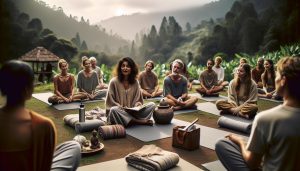
Yoga retreats offer a unique opportunity to disconnect from daily stressors and reconnect with oneself through mindfulness and physical practice. They have become increasingly popular as an escape for those seeking balance and rejuvenation. However, navigating the plethora of options can be overwhelming. This guide uncovers insider secrets about yoga retreats, addressing common concerns such as choosing the right retreat for your needs, what to expect, and how to maximize your experience. Whether you’re a seasoned yogi or a curious beginner, understanding these key elements can transform your retreat into a profound journey of self-discovery and well-being. Stay tuned as we delve deeper into how to make the most informed and fulfilling choices for your wellness getaway.
What Are Yoga Retreats and Their Benefits?
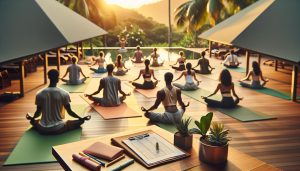
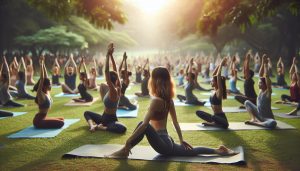
Yoga retreats present unique opportunities for individuals seeking a deepened practice and connection to their personal well-being. These immersive experiences are designed to provide participants with dedicated time and space to engage in yoga, mindfulness, and self-reflection, often set against serene backdrops that enhance relaxation and rejuvenation. At a retreat, you can expect a blend of physical practices, meditative sessions, and wellness workshops, all aimed at promoting healing, understanding, and personal growth.
The benefits of attending a yoga retreat are manifold. Physically, participants often find that concentrated practice allows them to progress in their abilities much faster than in a regular class setting. Mentally and emotionally, the dedicated time away from daily responsibilities provides a valuable chance to reset, reduce stress, and cultivate a greater sense of self-awareness. Many attendees report feeling recharged and inspired, often carrying these newfound insights back into their everyday lives. Furthermore, the communal aspect of retreats fosters connections with like-minded individuals, creating a supportive environment that can significantly enhance the overall experience.
Moreover, a yoga retreat often includes various complementary activities-such as meditation, hiking, and nutritional workshops-that cater to holistic wellness. These retreats not only focus on yoga as a physical practice but also encompass a broader approach to health that includes nutrition, knowledge sharing, and personal well-being strategies. Ultimately, the holistic nature of a yoga retreat can nurture both body and mind, making it an ideal choice for anyone looking to deepen their yoga practice while acknowledging their broader wellness needs.
Choosing the Right Yoga Retreat for Your Needs
Choosing the right yoga retreat can transform your practice and enhance your overall well-being, but with so many options available, the decision can feel overwhelming. To ensure you select a retreat that aligns with your personal goals, preferences, and lifestyle, consider the following factors.
First, think about your level of experience and the type of yoga practice you enjoy. If you are a beginner, a retreat that offers foundational classes and a supportive environment may be ideal. Conversely, experienced practitioners might seek retreats that challenge their skills with advanced workshops or specialized styles, such as Ashtanga or Kundalini. Many retreats also cater to a variety of levels, so don’t hesitate to check their course offerings and descriptions.
Location and Setting
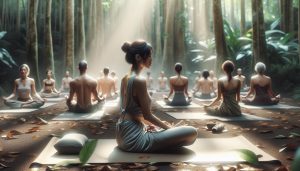
The retreat’s location plays a pivotal role in your experience. Determine whether you prefer a serene beachside setting, a tranquil forest backdrop, or a vibrant urban environment. Each offers its own unique benefits. For instance, a beach retreat might focus on relaxation and mindfulness through sound therapy, while a forest retreat could offer rigorous exploration and connection with nature through hiking.
Duration and Schedule
Retreats can range from weekend getaways to month-long programs. Consider how much time you can commit, as well as the daily schedule. Some retreats may include two daily yoga sessions, while others might offer a blend of yoga, wellness workshops, and free time for self-exploration. Balancing structured activities with personal time allows for both community connection and individual reflection.
Instructor Qualifications
The experience and credentials of the retreat leaders are crucial. Look for instructors who have extensive training and a personal style that resonates with you. Reading reviews or testimonials may help gauge if the instructors create a supportive and inspiring environment.
Budget and Inclusions
Finally, take your budget into account. Costs can vary widely based on accommodations, included meals, and activities. Some retreats may also offer payment plans or early bird discounts. Ensure you know what’s included in the price-prospective attendees should review details regarding accommodation types, meal options, and any additional activities that may carry extra costs.
By reflecting on these factors and conducting thorough research, you can choose a yoga retreat that aligns seamlessly with your personal needs and goals, enhancing both your practice and your life.
Popular Yoga Retreat Destinations Around the World
Among the myriad of options for yoga retreats worldwide, several destinations stand out for their unique offerings, stunning settings, and holistic experiences. Whether you seek tranquility by the ocean, adventure in the mountains, or cultural immersion in a vibrant city, there’s a yoga retreat to match.
One of the most sought-after locations is Bali, Indonesia. Known for its lush landscapes and serene atmosphere, Bali offers retreats that focus on holistic wellness, combining yoga with meditation, healing therapies, and organic cuisine. Popular areas like Ubud provide a supportive community for both beginners and seasoned practitioners, while stunning beachside resorts in Seminyak cater to those looking for a coastal escape.
Another remarkable destination is Tulum, Mexico. Here, yoga practitioners can enjoy classes overlooking the Caribbean Sea, surrounded by ancient Mayan ruins and lush jungles. Many retreats focus on sustainable living and personal growth, offering workshops that integrate the local culture and spirituality, making it a perfect spot for those looking to deepen their practice while connecting with nature.
The picturesque landscapes of Costa Rica form a backdrop for many retreats focused on wellness and adventure. With opportunities for yoga sessions on the beach, hiking in rainforests, and wildlife encounters, this destination encourages a balanced experience of physical activity and rejuvenation. Many retreats here emphasize sustainability and eco-friendliness, helping attendees not only unwind but also connect with the environment.
European Escapes
In Europe, Santorini, Greece, offers stunning sunsets and breathtaking views along with its yoga retreats. Often intertwined with local cuisine and culture, these experiences promote relaxation and mindfulness, set against the backdrop of the beautiful Aegean Sea. Similarly, in the stunning Italian countryside, yoga retreats in regions like Tuscany provide a blend of relaxation, yoga, and gourmet food, making it an ideal getaway for foodies and yogis alike.
Exploring these popular destinations reveals that yoga retreats are not just about the practice on the mat; they encompass wellness, cultural integration, and personal transformation. When planning your next retreat, consider what environment will best support your intentions and the type of experiences you wish to explore.
Understanding the Cost of Yoga Retreats
The investment in a yoga retreat can vary widely based on several factors, creating a landscape of options tailored to different budgets and expectations. Generally, the cost of a yoga retreat ranges from a few hundred to several thousand dollars, and it typically encompasses expenses such as accommodation, meals, yoga classes, and additional wellness activities. Understanding these breakdowns can help prospective attendees make informed decisions without financial surprises.
- Location: Destinations can greatly affect the price. For instance, retreats in countries like Indonesia or Costa Rica are often more affordable compared to those in Europe or exclusive locales.
- Duration: Longer retreats naturally come with a higher cost. A weekend getaway may be less expensive than a week-long immersive experience.
- Accommodation: The type of lodging significantly influences costs. Options may range from basic dormitory-style accommodations to luxury villas, with corresponding price tags.
- Included Meals: Retreats that provide gourmet organic meals may charge more than those offering basic meal plans.
- Instructor Qualifications: Well-known or highly qualified instructors often command higher fees, which can influence the overall retreat cost.
When evaluating the prices, it’s also essential to consider what each package includes. A seemingly higher-priced retreat might offer a comprehensive experience with numerous included activities, while a lower-cost option could come with hidden fees for meals or workshops.
#### Additional Costs to Consider
Apart from the upfront costs associated with the retreat package, participants should also factor in additional expenses:
- Travel: Flights and local transportation to and from the retreat location can add significantly to your budget.
- Personal Expenses: Consider any personal items, shopping, or additional activities you might want to partake in during your stay.
- Tipping: Gratitude for service should also be factored, especially in places where tips are customary.
By taking the time to understand and plan for these costs, individuals can find a yoga retreat that not only meets their needs but also fits within their budget, promising a fulfilling and enriching experience without unexpected financial strain.
What to Pack for a Yoga Retreat Experience
Packing for a yoga retreat requires a blend of practicality and thoughtful consideration to ensure you have everything you need for a fulfilling experience. The essence of a yoga retreat is to create space for relaxation, rejuvenation, and self-discovery, so packing wisely can help you achieve that aim from the moment you arrive.
Begin with your yoga essentials. Depending on the retreat’s offerings, you might want to bring your own yoga mat, especially if you have a favorite one that enhances your practice. Some retreats provide mats, but having your own can make you feel more at home. Alongside your mat, consider yoga props like blocks and straps, which can be useful for deepening your practice.
Clothing is also crucial; pack comfortable, breathable yoga attire that allows for movement. Quick-dry fabrics are ideal, especially for outdoor or vigorous sessions. Don’t forget layers, as temperatures can fluctuate throughout the day, whether you’re practicing in the warm sun or attending sessions in a cooler room. Additionally, a swimsuit may be beneficial if your retreat features a pool or beach activities.
Other Essentials
Besides yoga gear, consider bringing items that enhance your comfort and help you relax. A refillable water bottle is vital to stay hydrated, and a personal journal can offer a space to reflect on your experiences and insights gained during the retreat. If you practice meditation, bring a meditation cushion or blanket for extra comfort.
Finally, don’t overlook your basic needs: toiletries, sunblock, insect repellent, and any necessary medications. If you’re traveling to a remote location, you might also want to pack snacks or specific dietary supplements that align with your health goals.
A Thoughtful Approach
While packing can sometimes feel overwhelming, approach it as an opportunity to prepare for your journey inward. Taking the time to choose items that make you feel comfortable and equipped can significantly enhance your overall experience. Prioritize packing items that promote your well-being, allowing the retreat to be a space for growth and relaxation.
How Yoga Retreats Enhance Your Practice
Immersing yourself in a dedicated yoga retreat can significantly elevate your practice and deepen your understanding of yoga principles. Retreats offer structured environments tailored to enhance focus, providing opportunities to disconnect from daily distractions and reconnect with your inner self. The serene settings often enrich your experience, allowing for contemplation and concentration that can be hard to achieve in your usual routine.
Regular classes may cover only a few aspects of yoga, but retreats expand this knowledge through diverse sessions, workshops, and discussions led by experienced instructors. These settings frequently introduce participants to various styles and philosophies of yoga, which can broaden perspectives and enhance overall practice. For example, you might explore Hatha, Vinyasa, or even more meditative practices like Yin or Restorative yoga, getting a taste of different techniques that resonate with your body and mind.
Engaging with like-minded individuals in a supportive environment can also propel your personal growth. Just as practice on the mat can lead to greater physical strength and flexibility, community engagement fosters emotional healing and support. Sharing experiences with fellow yogis can inspire motivation, accountability, and deep conversations about mindfulness, wellness, and self-improvement. This collaborative spirit often continues well beyond the retreat, nurturing connections that encourage ongoing practice.
Additional activities, such as meditation, mindful eating, and nature excursions, complement the yoga experience, enhancing overall well-being. These practices contribute to a holistic approach to health, emphasizing the balance of body, mind, and spirit. Participants leave not just with improved physical skills, but with practical tools to integrate into their daily lives, helping to maintain the transformative experience gained during the retreat.
Insider Tips for a Successful Retreat
While preparing for a yoga retreat can be exciting, having the right mindset and approach can greatly enhance your experience. To make the most out of your time away, consider these insider tips that can lead to a fulfilling and transformative journey.
First and foremost, be open-minded. Each retreat will differ in practice styles, instructors, and environments. Embracing new experiences without preconceived notions allows you to absorb teachings and connect with fellow participants more deeply. Additionally, don’t hesitate to ask questions and engage with instructors-their insights can provide valuable perspective that may not be available in local classes.
Next, taking care of your basic needs is essential. Stay hydrated and eat healthily to support your body through rigorous sessions. It’s often advisable to travel with your favorite snacks or supplements, especially if you’re unsure about the food options available at the retreat. Additionally, ensure you get adequate rest to recharge for daily activities. Listening to your body and giving yourself permission to rest if needed can prevent burnout and enable you to fully enjoy the retreat.
Moreover, consideration of your personal goals for attending the retreat can shape your experience significantly. Before arriving, reflect on what you wish to achieve-be it deepening your practice, connecting with other yogis, or simply resting. Share these intentions with instructors, as they can tailor guidance and support to help you meet your objectives throughout your stay.
Lastly, remember to document your journey. Bring along a journal to compile your thoughts, feelings, and insights gained from workshops and yoga sessions. This practice not only helps in processing your experiences but also serves as a valuable reference after you return home, aiding in your transition back into regular life. Overall, following these tips can help you maximize the benefits of your yoga retreat, fostering personal growth and mindfulness that lasts long after the experience concludes.
Navigating Dietary Options at Yoga Retreats
When attending a yoga retreat, the culinary offerings often play a crucial role in enhancing your overall experience. Healthy and nourishing meals can complement your practice, but navigating dietary options can also present challenges, especially if you have specific dietary restrictions or preferences. Understanding what to expect can help you maximize your retreat experience and ensure that you feel your best throughout your stay.
Many yoga retreats pride themselves on serving organic, locally sourced, and nutritious food designed to fuel your body for the physical demands of yoga practice. Before you arrive, it’s a good idea to research the retreat’s meal offerings. Most retreats provide detailed information about their cuisine on their websites, including whether they cater to specific diets such as vegan, vegetarian, gluten-free, or raw food. If you have special dietary needs, don’t hesitate to reach out to the retreat organizers in advance. Many retreats are happy to accommodate and may ask about dietary restrictions during the registration process.
Another advantage of participating in a retreat that emphasizes healthy eating is the opportunity to learn about nutritious foods and meal preparation. Some retreats offer cooking classes or workshops where participants can expand their culinary repertoire and gain insights into meal planning that supports a yoga lifestyle. This hands-on approach can empower you with tools and knowledge to continue healthy eating habits well after the retreat has ended.
Lastly, always remember to communicate openly with your retreat cooks and facilitators about your preferences. They can often offer alternatives or adjustments that fit your dietary needs. Trust the process; it’s common for retreat food to be just as enjoyable and satisfying as traditional fare. Supplemental snacks-like nuts, fruits, or energy bars-can also be a great way to ensure you have something on hand between meals. By taking these steps, you can navigate the dietary options at yoga retreats effectively, making your experience both enriching and enjoyable.
Wellness Activities Beyond Yoga at Retreats
Embarking on a yoga retreat offers more than just daily asanas and meditation; it’s an immersive experience filled with various wellness activities designed to enhance both physical and mental well-being. Many retreats understand that holistic health encompasses more than just yoga, creating unique opportunities for guests to explore different avenues of wellness.
Integrative Wellness Activities
At many retreats, participants may find options such as Pilates, tai chi, or even restorative movement classes that complement traditional yoga practices. These modalities allow individuals to diversify their physical routine, increasing strength, flexibility, and mindfulness across various forms of movement. Furthermore, some retreats offer wellness workshops focused on mindfulness, stress reduction techniques, or expressive arts, enabling participants to discover new tools to support mental resilience.
Healing Practices
In addition to physical activities, a variety of healing services are often available. You might encounter sessions ranging from sound healing and acupuncture to aromatherapy workshops. Such activities provide an engaging way to explore alternative healing modalities and deepen your understanding of holistic health. Many retreats include access to qualified practitioners who can offer personalized guidance, helping participants embark on a journey toward better self-awareness and emotional balance.
Nature and Outdoor Experiences
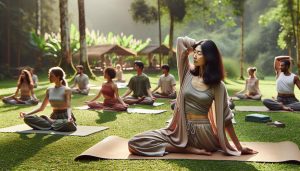
Engaging with nature is another key component of many yoga retreats, enhancing the overall experience through outdoor activities like hiking, beach yoga, or guided nature walks. Being in nature not only revitalizes the body but also promotes feelings of calm and presence. Participants often report an increased sense of well-being after spending time in serene and natural surroundings, making these experiences invaluable for cultivating inner peace and connection.
- Explore alternate movement classes like Pilates or tai chi.
- Participate in wellness workshops on mindfulness or stress reduction.
- Engage in healing practices such as acupuncture or sound therapy.
- Join nature hikes or outdoor yoga sessions to connect with the environment.
By incorporating these wellness activities into your retreat experience, you create an enriching environment that supports comprehensive development-physically, mentally, and emotionally. This multifaceted approach not only enhances your yoga practice but also encourages lasting changes in lifestyle and well-being, making your time at a retreat truly transformative.
The Role of Accommodation in Your Retreat Experience
The choice of accommodation at a yoga retreat can drastically influence the experience, often serving as a sanctuary for relaxation and rejuvenation. Many retreat centers recognize that the right environment enhances overall well-being, providing a perfect backdrop for healing and introspection. From rustic lodges nestled in the mountains to luxurious beachfront villas, the type of accommodation can cater to various preferences and budgets, enabling participants to choose what aligns best with their individual needs.
Types of Accommodation
When selecting a retreat, it’s essential to consider the types of accommodation available. Retreats may offer options ranging from shared dorm-style rooms to private suites. Sharing your space can foster a sense of community and connection, while private accommodations may be preferable for those seeking solitude and reflection. In addition, some retreats incorporate glamping or eco-friendly lodges, offering unique experiences that connect you to nature without sacrificing comfort.
Impact on Your Retreat Experience
The accommodation style not only affects how comfortable you feel but also how conducive the environment is for practice and relaxation. Cozy, inviting spaces can enhance your capacity to engage deeply with scheduled activities such as meditation and yoga. Some retreats may feature amenities like outdoor spaces for yoga sessions, communal lounges for group interactions, or wellness-focused facilities such as spas or saunas. With the right amenities, your retreat can support a holistic approach to well-being.
Location Matters
Another significant aspect is the location of the retreat itself. Whether perched on a cliff overlooking the ocean or nestled amid a forest, the scenery plays a vital role in creating a tranquil atmosphere. Consider whether you prefer an urban retreat that allows easy access to cultural experiences or a remote setting that immerses you in nature. The surroundings can greatly enhance activities like hiking, nature walks, and outdoor yoga sessions, making the most of your retreat.
Practical Considerations
Before committing, read reviews and testimonials about accommodation quality and comfort. Understanding the retreat’s policies on shared vs. private accommodations can prevent any surprises upon arrival. Many participants recommend reaching out to organizers for specifics about amenities, sleeping arrangements, and communal facilities. Taking these steps ensures that your accommodation aligns with your expectations, enhancing the transformative experience of your yoga retreat.
In summary, the role of accommodation should not be underestimated; it is fundamental to creating an environment that fosters relaxation, connection, and personal growth. Thoughtful consideration of where you rest your head each night could very well determine the success of your retreat experience.
How to Prepare Mentally for a Yoga Retreat
Preparing for a yoga retreat involves more than just packing your bags; it’s about fostering the right mindset to fully immerse yourself in the experience. By mentally preparing, you can enhance your receptiveness to the practices and teachings you’ll encounter. Begin by reflecting on your intentions for the retreat. Consider what you hope to gain from the experience-whether it’s stress relief, better flexibility, or deepening your practice. Writing down these intentions can serve as a guiding light throughout your journey, reminding you of your personal goals and helping you stay focused during challenging moments.
Another crucial element in mental preparation is learning to cultivate mindfulness and presence. Many retreats focus on meditation and mindfulness practices to help participants connect with their inner selves. Consider setting aside a few moments each day leading up to the retreat to practice mindfulness exercises-these could include simple breathwork, nature walks, or meditation sessions. Engaging in these practices before you arrive can help ease any pre-retreat anxieties and set a tranquil tone for your experience.
Additionally, it’s important to manage your expectations. While retreats are often transformative, they’re also personal journeys that unfold at different paces for everyone. Embrace the process, and remind yourself that growth may come in many forms, whether it be profound insights or smaller, subtle shifts in perspective. A positive attitude toward whatever arises during the retreat will facilitate a deeper engagement with the experience.
Lastly, consider connecting with fellow participants or the retreat leaders beforehand, if possible. This social aspect not only welcomes a sense of community but can also alleviate any fears or apprehensions you might have about the upcoming experience. Engaging in conversations can help to establish a supportive network that encourages open communication and shared experiences, enriching your time at the retreat. Keep in mind that a well-prepared mind can lead to a more rewarding and enriching yoga retreat experience.
Post-Retreat: Maintaining Your Practice at Home
Transitioning from a rejuvenating yoga retreat back to everyday life can feel challenging, but it presents a unique opportunity to integrate the practices and insights gained during your time away. Maintaining your yoga practice at home is crucial for sustaining the benefits you’ve experienced, such as increased mindfulness, physical flexibility, and emotional balance. By establishing a consistent routine and creating a dedicated space for practice, you can keep the transformative energy of the retreat alive.
Start by setting aside specific times each week dedicated to your yoga sessions. Whether it’s early mornings or quiet evenings, consistency helps to anchor your practice in daily life. Begin with practices that you enjoyed during the retreat, gradually introducing new poses or techniques as you feel ready. Embrace the idea that even short sessions can be beneficial; a 15-minute practice can be just as enriching as a full hour. Alongside physical postures (asanas), make sure to incorporate meditation and breathwork (pranayama)-the key elements that often contribute significantly to the retreat experience.
Creating a supportive environment can dramatically enhance your practice at home. Designate a space free from distractions, adding elements that inspire peacefulness, like candles or plants. Consider using a yoga mat that feels inviting and comfortable-this small touch can help signal to your mind that it’s time to practice. Surround yourself with reminders of your retreat, like photographs or inspirational quotes, to rekindle that serene energy. Furthermore, enhancing your practice through technology can provide added structure-online classes, apps, or yoga communities allow for flexibility and connection, helping to maintain motivation.
Set practical goals to track your progress and reinforce commitment. These could range from mastering a new pose to increasing your meditation duration or simply practicing with a friend weekly. Reflect regularly on how your practice influences your mental and emotional well-being. Journaling can be a powerful tool to document insights and keep track of your experiences, serving as a touchstone when you feel disconnected from the retreat’s energy. Ultimately, by nurturing your practice with intention and creativity, you can extend the transformative power of your yoga retreat into your daily life, fostering deeper connections with yourself and the world around you.
Frequently Asked Questions
Q: What should I look for when choosing a yoga retreat?
A: When choosing a yoga retreat, consider the style of yoga offered, the location, the instructor’s qualifications, and the type of accommodation. Additionally, review the retreat’s schedule to ensure it aligns with your interests and goals, as well as any dietary options available.
Q: How do I prepare physically for a yoga retreat?
A: Preparing physically for a yoga retreat involves gradually increasing your yoga practice leading up to the retreat date. Focus on building strength and flexibility in key areas, such as your hips and core. Also, consider incorporating daily stretching or meditation to enhance your experience.
Q: What if I have dietary restrictions at a yoga retreat?
A: Most yoga retreats are accommodating of dietary restrictions but be sure to check beforehand. Communicate your needs to the organizers ahead of time to ensure appropriate meal options are available, and don’t hesitate to inquire about local markets for additional food supplies if necessary.
Q: Can I attend a yoga retreat as a beginner?
A: Yes, many yoga retreats welcome beginners. Look for retreats specifically labeled as beginner-friendly, which will offer classes that accommodate all skill levels and provide personalized instruction to help you ease into the practice comfortably.
Q: What are some common misconceptions about yoga retreats?
A: Common misconceptions include the belief that yoga retreats are only for experienced practitioners or are overly rigid in structure. In contrast, many retreats cater to all levels and offer a balanced mix of yoga, relaxation, and wellness activities, making them accessible to everyone.
Q: How do I stay connected with my practice after a yoga retreat?
A: Staying connected after a yoga retreat involves creating a routine that incorporates yoga and meditation into your daily life. Set specific goals for your practice, join a local class, or engage with online resources to maintain motivation and community support.
Q: What types of wellness activities can I expect at a yoga retreat?
A: Apart from yoga, wellness activities at retreats can include meditation, hiking, mindfulness workshops, nutritional classes, and group discussions. These activities are designed to enhance your overall experience and well-being, allowing for a holistic approach to relaxation and healing.
Q: How can I make the most of my yoga retreat experience?
A: To maximize your yoga retreat experience, approach it with an open mind and a willingness to explore new practices. Connect with fellow participants, fully engage in all activities, and take time for self-reflection to enhance personal growth during the retreat.
The Way Forward
As you embark on your journey to wellness through yoga retreats, remember that the insights shared here are just the beginning. Equip yourself with the knowledge to choose a retreat that truly aligns with your personal goals and lifestyle. Whether you’re looking to deepen your practice, explore new styles, or simply rejuvenate, the right retreat awaits you-don’t let hesitation hold you back!
Next, explore our articles on popular yoga retreat locations and tips for maintaining your wellness routine while traveling. If you’re ready to continue your exploration, check out our comprehensive guide on wellness travel or subscribe to our newsletter for the latest insights and updates in the world of retreats. Your path to tranquility and self-discovery is just a click away; embrace it today!
Get our latest guides, news, and insights highlighted in your Google Search & AI Overviews.