As more people seek holistic wellness experiences, yoga retreats have surged in popularity, offering participants a chance to unwind, recharge, and deepen their practice. However, crafting a retreat that meaningfully resonates with students requires careful consideration of key elements that enhance their journey. From diverse class offerings to nutritious meals and supportive environments, each aspect contributes significantly to the transformative experience attendees seek. Understanding these must-have elements not only improves satisfaction but also fosters a sense of community and personal growth. Explore how to create a retreat that captivates and rejuvenates, ensuring students leave feeling fulfilled and inspired. Curiosity awaits as we delve into the essential components that make a yoga retreat truly unforgettable.
What Is a Yoga Retreat? Understanding the Basics
A yoga retreat is often described as a sanctuary, a space where individuals can immerse themselves in the practice of yoga away from the hustle and bustle of everyday life. This retreat can take various forms, from a weekend getaway to an extended retreat spanning several weeks in serene natural settings. The fundamental appeal of a yoga retreat lies not just in the practice itself but also in the holistic experience offered, encompassing relaxation, rejuvenation, and self-discovery.
Participants typically engage in multiple yoga sessions throughout the day, which may include various styles such as Vinyasa, Hatha, or Kundalini, depending on the focus of the retreat. A well-structured yoga retreat often combines physical practice with meditation, breathwork, and sometimes workshops or discussions on yoga philosophy. This comprehensive approach fosters deeper connection to oneself and to the community of fellow attendees, encouraging personal growth and emotional healing.
Moreover, yoga retreats often emphasize nourishment and wellness beyond the mat. Many incorporate healthy meal plans designed to support participants’ physical activities and encourage mindful eating practices. By involving holistic elements-like nature walks, sound healing, or creative arts-participants are offered a multifaceted experience that promotes overall well-being. Ultimately, a yoga retreat is about stepping back from the demands of life, engaging deeply with one’s practice, and returning replenished both physically and mentally.
Key Benefits of Attending a Yoga Retreat
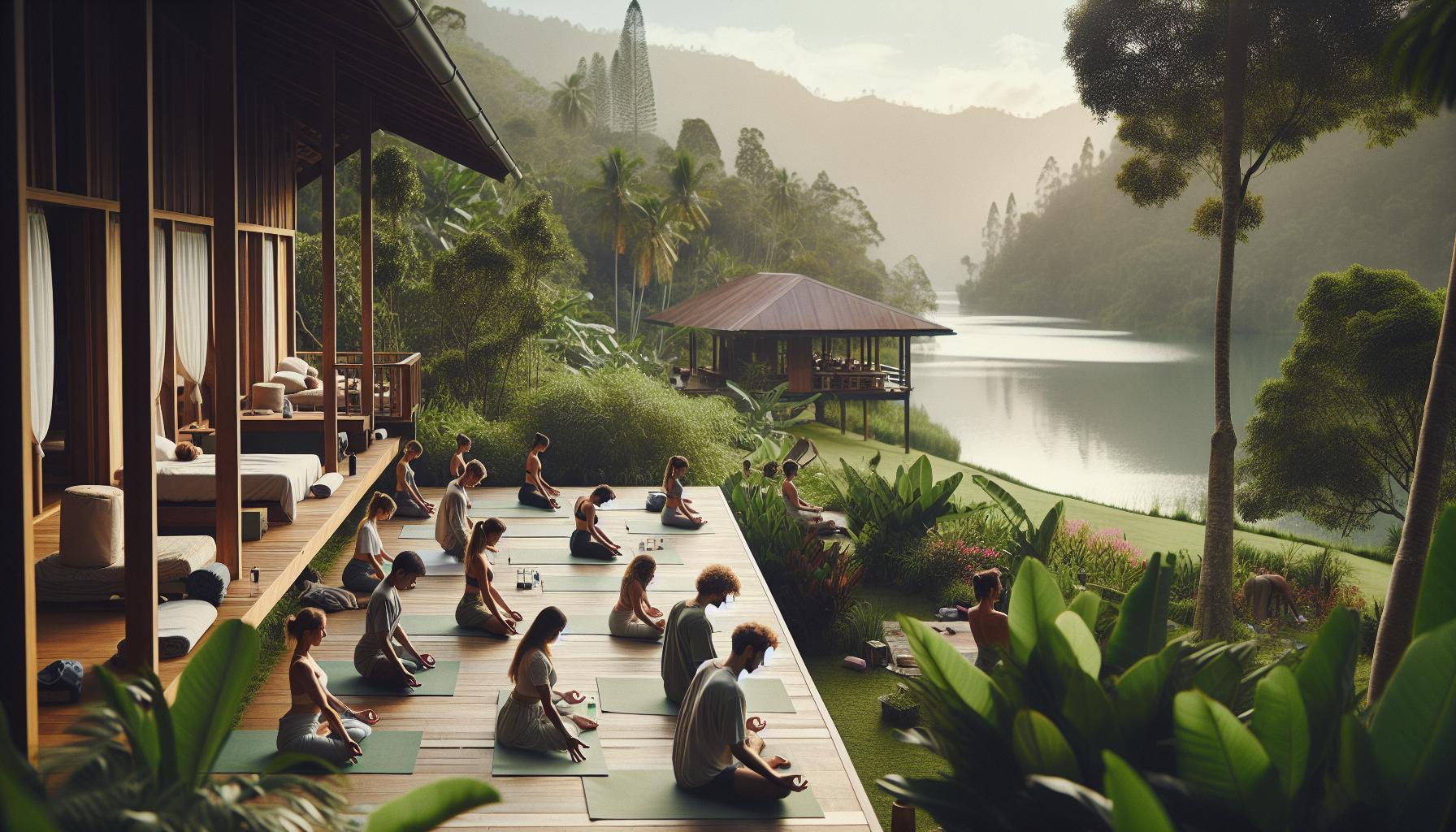
Participating in a yoga retreat can be a transformative experience that provides numerous benefits beyond just learning new postures or techniques. One of the most significant advantages is the opportunity to disconnect from daily stressors and distractions. This immersive environment allows attendees to cultivate mindfulness and awareness, helping them reset mentally and emotionally. Furthermore, the collective energy of a group practicing together fosters a sense of community and belonging, crucial for personal growth and support during the journey.
Another essential benefit is the structured schedule that retreats typically offer. With days filled with various yoga sessions, meditative practices, and holistic workshops, participants are encouraged to dive deeper into their practice without the typical interruptions of everyday life. This consistency allows individuals to explore different styles and techniques in a way that is both enriching and supportive. As they progress, they may discover new aspects of their physical and emotional capabilities, enhancing their self-awareness and personal development.
Physical health is also significantly enhanced through yoga retreats. With a focus on not just yoga but also healthy eating and overall wellness, attendees may experience improvements in flexibility, strength, and posture. Engaging in daily yoga routines can alleviate physical ailments, such as back pain or stress-related issues, often due to the rigorous nature of modern lifestyles. Additionally, many retreats incorporate healthy meal plans that not only nourish the body but also teach participants about mindful eating practices, further supporting their wellness journey.
Lastly, the serene natural settings often chosen for yoga retreats provide a unique backdrop for healing and introspection. Surrounded by the beauty of nature, individuals can deepen their connection to themselves and find inspiration in their surroundings. Whether it’s through guided meditations, nature walks, or creative activities, this environment encourages participants to reflect and rejuvenate fully. The combination of yoga, healthy living, and the beauty of nature creates a holistic experience that can lead to lasting positive change in participants’ lives.
In summary, attending a yoga retreat offers a multitude of benefits-from mental clarity and emotional support to physical health improvements and a reconnection with nature-that can contribute to a more balanced and fulfilling life.
Essential Elements for a Transformative Experience

To create a truly transformative experience during a yoga retreat, several essential elements should be thoughtfully integrated into the program. These components work together to ensure participants not only deepen their yoga practice but also foster personal growth and emotional healing in a supportive environment.
One of the cornerstones of a successful retreat is a well-structured schedule that balances yoga sessions with ample time for reflection, connection, and relaxation. This structure should include various yoga styles and practices, allowing participants to explore different modalities that suit their needs and experience levels. For example, incorporating Hatha yoga for foundational poses alongside Restorative yoga for deeper relaxation can cater to a broader audience. Regular workshops on topics like mindfulness, meditation, or yoga philosophy can also provide valuable insights and deepen understanding, enhancing the overall experience.
Nourishment plays a critical role in the retreat experience. Offering nutrient-dense meal plans that focus on whole, organic foods not only supports physical wellbeing but also reinforces the principles of mindful eating. This can involve meals that are crafted to energize rather than deplete, accompanied by workshops on nutrition that teach participants how to continue these practices at home. Integrating locally sourced ingredients can further connect participants with the retreat’s environment, making meals a part of the immersive experience.
Creating an atmosphere conducive to reflection and community is equally vital. This can be achieved through carefully chosen locations that offer tranquility and beauty, whether it’s a beach, a forest, or a mountain retreat. Opportunities for group activities, such as nature walks, cultural excursions, or creative workshops-like journaling or art-can foster bonds among participants while allowing them to express their experiences in multiple ways. Building intentional time for unstructured moments also encourages individual reflection and personal discovery, further amplifying the transformative potential.
Lastly, the presence of experienced instructors who can guide participants through their journey is indispensable. These professionals should not only possess strong teaching skills but also embody the principles of mindfulness, compassion, and support. Their ability to create a safe space for participants to share and explore their challenges enhances the nurturing environment crucial for a transformative experience.
In summary, a transformative yoga retreat combines a balanced schedule, nourishing meals, beautiful settings, engaging community interactions, and expert guidance. Together, these elements create an enriching environment that cultivates personal growth, emotional healing, and a deeper connection to oneself and others.
Yoga Styles to Include in Your Retreat
In planning a yoga retreat, integrating a variety of yoga styles is essential, as this not only enhances the overall experience but also caters to the diverse needs and preferences of participants. By offering a mix of styles, you create an environment that encourages exploration and personal growth, allowing practitioners to discover what resonates with them the most.
Firstly, incorporating Hatha Yoga is an excellent choice for any retreat. This gentle style focuses on basic postures and breathing exercises, making it ideal for beginners while still providing depth for more experienced practitioners. It serves as a foundation upon which participants can build their practice, making it accessible to everyone.
Vinyasa Yoga is another dynamic style to consider, characterized by its flowing sequences that synchronize breath with movement. This approach enhances cardiovascular health and builds strength, making sessions invigorating and energizing. Participants often enjoy the creative freedom of Vinyasa flows, which can vary greatly from class to class.
For those seeking relaxation and introspection, offering Restorative Yoga is crucial. This style involves gentle poses supported by props, allowing the body to rest and restore. It is particularly beneficial for individuals dealing with stress or fatigue, encouraging deep relaxation and mindfulness.
Additionally, incorporating Yin Yoga can provide participants with a contrasting experience. With its focus on holding postures for extended periods, Yin Yoga targets deep connective tissues and promotes flexibility. This meditative practice encourages a state of stillness, fostering a deep connection with the self.
Lastly, introducing specialized workshops on styles such as Kundalini Yoga or Ashtanga Yoga can enrich the retreat experience. Kundalini focuses on awakening energy through dynamic movements and meditation, while Ashtanga follows a set sequence that builds strength and stamina. These unique styles can attract more experienced yogis looking to deepen their practice while encouraging others to step out of their comfort zone.
By curating a thoughtful mix of Hatha, Vinyasa, Restorative, Yin, and specialized styles, you create a layered retreat experience that addresses physical, mental, and emotional wellness. This ensures that every participant can find something that speaks to them, making the retreat not only restorative but also transformative.
Creating a Balanced Daily Schedule
A well-structured daily schedule can transform a yoga retreat into a rejuvenating experience, allowing participants to engage fully in their practice while also providing time for relaxation, introspection, and community building. Creating a balanced schedule involves considering the diverse needs of attendees, ensuring that there is a mix of physical activity, reflection, and leisure that caters to all levels of abilities and preferences.
Start the day with an energizing morning yoga session, possibly a Vinyasa flow or Hatha class, that can gently wake up the body and set a positive intention for the day. Following the yoga practice, a nutritious breakfast can be served, emphasizing the importance of whole foods that support energy and vitality. During the late morning hours, consider scheduling workshops or guided discussions that delve into topics such as mindfulness, meditation, or yoga philosophy, allowing participants to deepen their knowledge while taking breaks from physical activity.
Midday Activities
The afternoon can include a second yoga class-perhaps a more restorative or Yin session that contrasts with the morning practice. This allows participants the opportunity to explore different styles and find what resonates with them. After the session, a wholesome lunch can nourish everyone, fostering a sense of community as participants eat together and share their experiences. Midday downtime is crucial; incorporating optional activities such as nature walks, swimming, or journaling gives participants the freedom to choose how they want to recharge.
Evening Environment
In the evening, a gentle yoga class can be followed by a group dinner, creating a collaborative atmosphere. Conclude the day with an optional mindfulness practice, such as guided meditation or sound healing, to promote reflection and relaxation. This structured yet flexible schedule supports both individual exploration and shared experiences, ensuring that each participant leaves feeling enriched.
not only enhances the overall experience of a yoga retreat but also allows attendees to leave feeling refreshed, more connected to themselves, and with a deeper understanding of their practice. By thoughtfully incorporating a variety of activities and ensuring ample time for rest and socialization, you can cultivate an environment that nurtures holistic wellness and personal growth.
Nourishing Meal Plans for Participants
Crafting at a yoga retreat is crucial for supporting their physical and mental well-being. Nutrition plays a fundamental role in enhancing yoga practice, boosting energy levels, improving focus, and helping individuals ground themselves post-yoga sessions. A well-rounded approach to meals not only caters to dietary preferences and restrictions but also aligns with the holistic goals of a retreat, fostering a sense of community and shared experience around food.
To start, consider seasonal and locally sourced ingredients, which not only provide the most nutrients but also connect participants to the local environment. A variety of meal options should include vegetarian, vegan, gluten-free, and omnivorous choices, ensuring everyone feels included. Here’s a sample of what a typical day might look like in terms of meal offerings:
Sample Meal Plan
| Meal | Description |
|---|---|
| Breakfast | Smoothie bowl topped with fresh fruits, nuts, and seeds; herbal teas. |
| Lunch | Quinoa salad with roasted vegetables, lemon-tahini dressing, and chickpeas. |
| Snacks | Raw energy balls, seasonal fruits, and a variety of nuts. |
| Dinner | Stir-fried tofu with mixed vegetables and brown rice; herbal infusion. |
In addition to these meals, it’s beneficial to incorporate nourishing snacks throughout the day to maintain energy levels and keep participants grounded. Offering options like fresh fruit, nuts, and seeds encourages mindful eating and allows individuals to satisfy hunger between structured meal times.
Nourishing meals can also be paired with mindful eating practices. Before each meal, encourage participants to partake in brief meditative moments, setting an intention of gratitude for the food. This practice not only enhances the dining experience but also aligns with the retreat’s mindfulness focus. Providing opportunities for participants to help in meal preparation can further deepen their connection to the food they consume, fostering community and collaboration.
By prioritizing balanced, nourishing meal plans at a yoga retreat, organizers can significantly enhance participants’ overall experience, ensuring they feel energized, engaged, and ready to explore their yoga practice to its fullest potential.
Holistic Activities to Enhance Wellness
Engaging in holistic activities at a yoga retreat enriches the overall experience, providing participants with a multifaceted approach to wellness. These activities go beyond traditional yoga practice, allowing individuals to explore various dimensions of health, including physical, emotional, and spiritual well-being. By integrating a diverse array of holistic practices, participants can cultivate deeper connections to themselves and their surroundings, enhancing their transformative journey.
One popular addition to many yoga retreats is meditation, which equips participants with tools to center their thoughts and emotions. Guided meditations, whether focused on mindfulness, breath awareness, or visualization, can significantly enhance participants’ ability to navigate stress and find inner peace. Workshops featuring various meditation techniques, such as loving-kindness or body scan meditations, can deepen participants’ understanding and practice, helping them cultivate a lasting meditative habit long after the retreat ends.
In addition to meditation, mindful movement practices-such as Tai Chi or Qigong-are excellent complements to yoga. These ancient disciplines emphasize slow, intentional movements that harmonize the mind and body. Incorporating these practices into the schedule can provide a valuable alternative for those seeking gentle exercise or a new perspective on movement and breath connection. Offering group sessions where participants learn the basics can foster both relaxation and camaraderie.
Another enriching aspect of holistic wellness is creative expression. Activities such as journaling, art therapy, or sound healing can offer participants unique channels for self-discovery and emotional release. For example, a guided journaling workshop focusing on personal growth themes can help participants articulate their innermost thoughts, while art sessions allow for non-verbal expressions, catering to different communication styles. Sound healing, using instruments like Tibetan bowls or gongs, adds a sensory dimension that promotes deep relaxation and attunement to inner rhythms.
Lastly, nature immersion is essential for many yoga retreats, given their often picturesque settings. Facilitating guided nature walks, forest bathing, or eco-therapy sessions encourages participants to connect with the earth, fostering mindfulness in a natural environment. These outings not only enhance participants’ experiences but also help ground them, allowing for reflection and a deeper appreciation of their surroundings.
Integrating these holistic activities into a retreat provides a comprehensive approach to wellness, supporting participants in their journey toward tranquility and self-discovery. By creating a space that encourages exploration of the body, mind, and spirit, organizers empower participants to cultivate sustainable wellness habits that extend well beyond their time at the retreat.
Mindfulness Practices to Incorporate
Incorporating effective mindfulness practices in a yoga retreat can dramatically enhance participants’ experiences, allowing them to engage more deeply with both themselves and their surroundings. Mindfulness encourages individuals to live in the present moment, helping to reduce stress and improve overall well-being. By integrating specific mindfulness techniques, retreat organizers can provide participants with tools that promote lasting change even after they return to their daily lives.
Meditation and Breathing Exercises
One of the most powerful tools for fostering mindfulness is meditation. Structured sessions can include techniques such as mindfulness meditation, where participants are guided to focus on their breath or observe their thoughts without judgment. This practice not only cultivates mental clarity but also helps participants develop a deeper awareness of their emotions and bodily sensations. Breathing exercises, such as diaphragmatic breathing or box breathing, can also be beneficial as they reduce anxiety and ground participants in the present moment.
Nature Connection
Encouraging participants to spend time outdoors enhances mindfulness through a connection to nature. Activities like forest bathing or guided nature walks allow individuals to immerse themselves in their environment, attuning their senses to the sights, sounds, and smells around them. This practice of observing nature mindfully can foster a sense of peace and grounding, making it an essential component of any retreat.
Mindful Eating Practices
Eating mindfully can transform the way participants approach food during the retreat. Organizers can include workshops on mindful eating, where participants learn to savor each bite, fully engaging their senses in the experience of eating. This practice cultivates awareness of hunger cues and promotes healthier eating habits, creating a mindful relationship with food that extends beyond the retreat. Simple exercises, such as reflecting on the journey of food from farm to table or engaging in silent meals, can deepen participants’ appreciation for nourishment.
Gratitude Journaling
Incorporating gratitude journaling into the daily schedule can enhance mindfulness by encouraging participants to reflect on positive experiences throughout their day. Setting aside time each morning or evening to write about what they are thankful for fosters a sense of appreciation and can shift focus away from stressors. Sharing these reflections in small groups can also deepen connections among participants and enhance the overall retreat experience.
By integrating these mindfulness practices, a yoga retreat can offer participants not just a temporary escape but a sustainable approach to managing stress and enhancing well-being. This commitment to building mindfulness skills ensures a more profound and lasting impact on their health and personal growth.
The Importance of Professional Instructors
Professional instructors play a crucial role in making a yoga retreat a transformative and enriching experience. Beyond simply leading sessions, they bring a wealth of knowledge and expertise that enhances the learning environment, ensuring participants receive appropriate guidance based on their individual needs and levels. Skilled instructors are adept at creating a safe space for practice, allowing students to explore their physical and emotional boundaries while ensuring proper alignment and technique during poses, thereby minimizing the risk of injury.
Instructors who possess a deep understanding of various yoga styles can offer diverse classes that cater to different interests and skill levels. This variety not only keeps the schedule engaging but also encourages participants to step out of their comfort zones. For instance, a retreat might include Hatha yoga for beginners, Ashtanga for those seeking a challenge, or restorative yoga for relaxation. A well-rounded instructor team can accommodate personal goals-whether it’s improving flexibility, building strength, or achieving mental clarity-ensuring that each participant feels supported throughout their journey.
Moreover, the interpersonal skills of professional instructors significantly contribute to fostering a sense of community among participants. Their ability to connect with students on a personal level encourages open communication and sharing, which can deepen relationships and create lasting bonds during the retreat. Participating in group discussions and reflections guided by a knowledgeable instructor can enhance the overall experience, adding layers of insight and emotional growth that extend beyond the practice mat.
In addition to their teaching capabilities, instructors often bring a holistic approach to wellness, integrating mindfulness practices, meditation, and stress management techniques into the retreat schedule. This comprehensive perspective can significantly enrich the retreat experience, equipping participants with tools and strategies that they can carry with them long after the retreat concludes. Thus, selecting professional instructors who not only excel in teaching yoga but also embody the principles of holistic health can result in a more impactful and memorable retreat experience for all involved.
Setting the Right Atmosphere and Environment
Creating the perfect atmosphere for a yoga retreat goes beyond selecting a beautiful location; it encompasses designing an environment that invites relaxation, reflection, and connection. The ambiance is integral to enhancing participants’ experiences and fostering a deeper engagement with their practice. Elements such as lighting, sound, and natural surroundings play crucial roles in setting the right tone, allowing attendees to let go of external distractions and immerse themselves fully in the retreat experience.
To begin with, consider the importance of natural lighting and space. A well-lit room with plenty of windows encourages a sense of openness and connection to nature, which can be grounding for participants. Utilizing soft, diffused lighting during early morning or late evening sessions can create a calming atmosphere, perfect for yoga and meditation practices. Spaces should also be thoughtfully arranged to encourage interaction and community while providing enough individual areas for personal reflection.
Incorporating natural elements into the environment can significantly enhance the overall experience. Use materials like bamboo, stone, or reclaimed wood to create harmony with the surroundings. Natural scents, through the use of essential oils or incense, can further enrich the atmosphere, promoting relaxation and mindfulness. For those conducting outdoor classes, the presence of trees, flowers, and fresh air transforms the practice into an enriching experience, reminding participants of the interconnectedness of all living things.
Sound also plays a key role in establishing a tranquil atmosphere. Soft, ambient music or nature sounds can accompany yoga sessions to facilitate relaxation and focus. Additionally, consider incorporating live music with instruments such as singing bowls or flutes during specific classes, enriching the sensory experience. To foster community, create designated spaces for group discussions or sharing circles, allowing participants to bond and reflect on their journey while surrounded by a supportive environment.
Ultimately, the goal is to cultivate an atmosphere where participants feel safe, inspired, and welcomed. A retreat that prioritizes setting the right environment not only enhances the yoga experience but also leaves a lasting impression, encouraging individuals to return again and again for the unique blend of practice, community, and peace that such a setting offers.
Engaging Activities Beyond Yoga Sessions
are instrumental in creating a holistic retreat experience that nurtures both the body and mind. These activities not only enhance participants’ well-being but also foster community and connection among attendees. Incorporating a diverse range of engaging activities can significantly enrich the overall retreat experience, making it memorable and transformative.
One popular option is incorporating nature walks and hiking excursions. These activities allow participants to connect with the surrounding environment while providing a form of gentle exercise that complements their yoga practice. Guided nature walks can also be an excellent opportunity for mindfulness exercises, inviting participants to immerse themselves in the sights and sounds of nature. Organizing themed walks, such as sunset hikes or morning bird-watching, can add unique points of interest that resonate with the retreat’s focus.
Another idea is to include creative workshops that encourage self-expression and exploration. Art classes, such as painting or pottery, can offer a therapeutic outlet, allowing participants to express their emotions in non-verbal ways. Cooking classes that emphasize healthy eating and nutrition can also be beneficial, as they offer practical skills that attendees can take home. These workshops can foster a sense of community, as participants engage and collaborate, sharing their ideas and experiences in a supportive setting.
Considering the importance of mental well-being, integrating mindfulness and meditation practices outside of yoga sessions can deepen participants’ relaxation and self-awareness. Sessions that focus on breathwork, guided visualizations, or sound healing can provide participants with tools to manage stress and enhance their overall experience. Furthermore, including evening discussions or sharing circles can create a safe space for reflection and connection, fostering deeper bonds among attendees while allowing for meaningful exchanges about their journeys.
Incorporating these engaging activities not only enriches the retreat experience but also encourages participants to step outside of their comfort zones. As attendees immerse themselves in these diverse experiences, they cultivate not only physical strength through yoga but also emotional resilience and community, leaving them feeling revitalized and supported long after the retreat concludes.
Planning for Participants’ Safety and Comfort
Creating a secure and welcoming environment is paramount for any yoga retreat. Attendees come seeking not only growth but also comfort and assurance that their well-being is a top priority. To begin with, having a thorough understanding of the participants’ needs is essential. This includes considering any allergies, dietary restrictions, or physical limitations that might impair their experience during the retreat.
Health and Safety Precautions
Establishing clear health and safety protocols sets a reassuring tone for participants. This can include:
- Regular sanitation of communal areas and yoga mats.
- A first aid kit readily available, complete with trained staff on hand.
- Emergency evacuation plans communicated clearly to attendees.
Participants will appreciate knowing they are in a safe space where their health is taken seriously, allowing them to focus on their practice and personal growth.
Welcoming Amenities
Comfort is also about providing the right amenities. From cozy accommodations to thoughtful touches like herbal teas and plush blankets, these small details can make a huge difference in participants’ overall experience. Consider offering:
- Comfortable bedding and quiet sleeping areas for restful nights.
- Personal lockers or secured storage for belongings, promoting peace of mind.
- Accessible facilities for those with mobility challenges, ensuring everyone can participate fully.
These amenities contribute to a nurturing atmosphere that supports relaxation and personal reflection.
Supporting Mental Well-being
Beyond physical comfort, nurturing participants’ mental health is equally important. Creating an environment where individuals feel emotionally supported can enhance their overall experience. Integrate structured check-ins or informal sharing circles into the retreat agenda to encourage open dialogue. This fosters community and allows participants to express their feelings in a safe space.
Incorporating wellness practices such as mindfulness meditation sessions can also help participants feel grounded and secure. These practices not only complement physical yoga but also serve to calm the mind, helping attendees to transition smoothly into a tranquil state conducive to self-exploration.
By meticulously planning for safety and comfort, retreat organizers can cultivate an atmosphere where participants feel valued and at ease. This foundation enables greater engagement in the healing and transformative journeys that yoga offers, ultimately leading to a more fulfilling experience for everyone involved.
Frequently Asked Questions
Q: What are the key components to offer in a yoga retreat?
A: Key components include diverse yoga styles, nourishing meal plans, holistic wellness activities, mindfulness practices, and professional instructors. Additionally, creating a welcoming atmosphere and engaging in community-building activities enhances the experience for students. Exploring these elements can be further detailed in sections like “Essential Elements for a Transformative Experience.”
Q: How can I create a balanced daily schedule for a yoga retreat?
A: A balanced daily schedule should mix yoga sessions, meditation, relaxation, and meals. Incorporate free time for reflection or exploration. Ensure that sessions vary in intensity to cater to different levels and maintain participant engagement, which is discussed in the section “Creating a Balanced Daily Schedule.”
Q: What types of meals should be included in a yoga retreat?
A: Meals should be healthy, balanced, and cater to various dietary preferences. Focus on vegetarian or vegan options rich in nutrients, incorporating local and seasonal ingredients. This ties into the article’s section “Nourishing Meal Plans for Participants.”
Q: Why is mindfulness important in a yoga retreat?
A: Mindfulness promotes self-awareness and relaxation, enhancing participants’ ability to connect with their practice. Incorporating mindfulness practices fosters inner peace and a deeper understanding of yoga, which can be elaborated in the section “Mindfulness Practices to Incorporate.”
Q: What should I consider in planning engaging activities beyond yoga sessions?
A: Consider incorporating workshops on wellness topics, guided nature hikes, or creative expression sessions like art or journaling. These activities enrich the retreat experience and support holistic wellness, complementing insights found in “Engaging Activities Beyond Yoga Sessions.”
Q: How can I ensure participants’ safety during a yoga retreat?
A: Ensuring safety involves assessing the venue for potential hazards, providing clear instructions during sessions, and having qualified instructors available. It’s crucial to address allergies and health concerns in advance, as highlighted in “Planning for Participants’ Safety and Comfort.”
Q: What are some effective marketing strategies for attracting students to a yoga retreat?
A: Effective strategies include leveraging social media, collaborating with wellness influencers, and offering early bird discounts. Creating engaging content about the retreat experience on a dedicated website can significantly boost visibility and interest.
Q: How can I enhance the atmosphere for a yoga retreat?
A: Enhancing atmosphere involves choosing serene settings, using calming decor, and incorporating elements like lighting and music that promote relaxation. Attention to detail in creating a peaceful environment plays a crucial role, as detailed in “Setting the Right Atmosphere and Environment.”
Closing Remarks
As you design your yoga retreat, remember that the key elements we discussed not only enhance the experience but also set your offering apart in a competitive landscape. From immersive practices to thoughtfully curated wellness activities, each component builds towards fostering a transformative journey for your students. Don’t miss the opportunity to elevate their retreat experience-take the next step today by exploring our resources on crafting engaging schedules and understanding travel logistics for wellness retreats.
Ready to dive deeper? Check out our articles on effective business planning for retreats and tips for maintaining wellness routines while traveling. Engage with our community by sharing your thoughts in the comments, and don’t forget to subscribe to our newsletter for more insights and inspiration tailored to wellness travel. Your journey to creating a memorable yoga retreat starts now-embrace it!
Get our latest guides, news, and insights highlighted in your Google Search & AI Overviews.