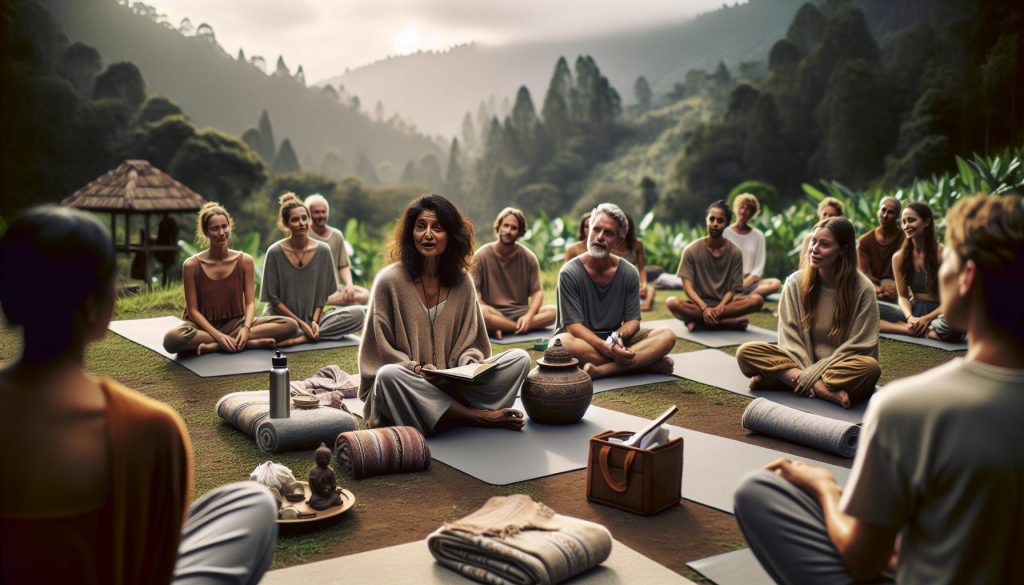
Yoga retreats beckon individuals seeking transformation, rejuvenation, and connection-often amidst breathtaking landscapes. Understanding what to teach during such retreats is crucial for facilitating meaningful experiences that resonate deeply with participants. This guide offers a blueprint for maximizing the impact of your yoga retreat, addressing not only effective lesson planning but also how to foster an atmosphere of serenity and personal growth.
As you dive into the world of retreat planning, consider the diverse motivations of attendees, from stress relief to deepened practice. Providing a mix of physical, mental, and spiritual practices can cater to these varying needs, ensuring everyone leaves feeling fulfilled and inspired. Join us as we explore key insights and strategies that will elevate your teaching and transform the retreat experience. Discover the secrets to crafting a transformative journey that aligns with both your teachings and your participants’ desires, and set the stage for a truly memorable retreat.
What Makes a Yoga Retreat Transformational?
Creating a transformative experience during a yoga retreat hinges on multiple interconnected elements that collectively foster personal growth and healing. The uniqueness of a retreat lies in its ability to create an environment where participants can disconnect from their daily lives and reconnect with themselves. Through a carefully curated blend of yoga practices, meditation, mindfulness, and community, attendees can achieve deeper self-awareness and emotional release.
One essential aspect of a transformational yoga retreat is the immersion in diverse yoga styles that accommodate varying skill levels and preferences. Introducing practices such as Hatha for beginners, Vinyasa for those seeking dynamic movement, and restorative yoga for relaxation ensures participants can explore their limits and cultivate new skills. Each yoga session acts as a mirror reflecting personal challenges and triumphs, fostering a journey of self-discovery.
Mindfulness is another cornerstone of transformation during these retreats. Integrating mindful practices, such as breathwork, meditation, and journaling, into daily routines invites participants to engage in self-reflection and introspection. This mindful awareness allows individuals to confront internal barriers and release feelings of stress or fear, ultimately leading to profound personal insight.
The significance of community cannot be overlooked. Group discussions and group activities foster a supportive atmosphere where participants can share experiences and connect on deeper levels. This sense of belonging and collective support amplifies personal insights and encourages participants to step out of their comfort zones. As they witness others’ growth, they become inspired to embrace their journey, making the retreat experience not just an individual transformation but a shared collective healing.
Ultimately, what makes a yoga retreat truly transformational is the holistic approach to wellness-melding physical practices with mental and emotional exploration, thereby nurturing the entire being.
Essential Yoga Styles to Introduce on Retreat
Integrating a variety of yoga styles into your retreat can significantly enhance the overall experience for participants, catering to their diverse needs and preferences. Each style offers its unique benefits, promoting not only physical strength and flexibility but also mental clarity and emotional well-being. By introducing a spectrum of practices, you create an environment that encourages exploration and personal growth, making the retreat transformative for every attendee.
Varied Yoga Styles to Include
Consider incorporating these essential yoga styles into your retreat schedule:
- Hatha Yoga: Ideal for beginners, Hatha yoga focuses on basic postures and alignment while emphasizing breath control. This foundational style provides a gentle introduction for those new to yoga, making it a perfect starting point for your retreat.
- Vinyasa Yoga: For participants looking for a more dynamic practice, Vinyasa offers a flowing sequence of postures coordinated with breath. This style encourages a playful spirit, allowing participants to build strength and endurance while fostering a sense of connection with their bodies.
- Restorative Yoga: This slow-paced practice focuses on relaxation, using props to support the body in restful poses. It is excellent for stress relief, helping participants to deeply unwind and recharge, making it a valuable addition to the retreat curriculum.
- Yin Yoga: Yin yoga targets the connective tissues through long-held poses, promoting flexibility and joint health. This meditative style invites participants to slow down and cultivate mindfulness, providing a counterbalance to more vigorous practices.
- Ashtanga Yoga: For those ready to challenge their limits, Ashtanga is a rigorous style that follows a set sequence of postures. This is ideal for experienced yogis looking to deepen their practice while gaining strength and stamina.
- Yoga Nidra: Also known as yogic sleep, this practice guides participants into a state of deep relaxation while maintaining consciousness. It is particularly beneficial for stress reduction and emotional healing, providing a transformative experience even within a short session.
Tailoring Styles to Your Group
Understanding the skill levels and preferences of your participants is key to selecting which styles to offer. Conducting a brief survey pre-retreat can provide insights into their experiences and expectations, allowing you to tailor classes that resonate with the collective group.
In addition, consider theme-based sessions that intertwine yoga practices with other activities, such as guided meditations or nature walks, to enhance the overall experience. By thoughtfully curating a mix of yoga styles, you ensure that participants leave feeling rejuvenated and inspired, having explored new dimensions of their practice while establishing lasting connections with themselves and others.
Creating an Engaging Daily Schedule for Participants
Creating a well-structured daily schedule is essential to maximizing the experience and benefits participants receive at a yoga retreat. A thoughtfully crafted agenda allows for a balance of physical practice, mindfulness, and community building. When participants know what to expect each day, they can engage more fully and immerse themselves in the transformative journey you’ve prepared for them.
To start, consider incorporating a variety of sessions throughout the day to cater to different aspects of well-being. Mornings can begin with gentle awakening practices, such as a sunrise yoga session or guided meditation that encourages participants to set intentions for the day. Following this, consider offering a nourishing breakfast that fuels energy and strength for the activities ahead. Mid-morning could then be dedicated to more vigorous styles of yoga, such as Vinyasa or Ashtanga, allowing attendees to deepen their practice and build physical resilience.
Afternoon activities can alternate between yoga sessions and personal reflection time. After lunch, guided walks in nature or workshops on mindfulness can provide a holistic approach to well-being, giving participants space to connect with both themselves and their surroundings. The closing of the day should include restorative practices, such as Yoga Nidra, which help to integrate the day’s experiences. This can be complemented by evening discussions or sharing circles to foster community bonds and allow participants to express what they’ve learned.
Lastly, it’s valuable to include rest periods and free time throughout the schedule. This flexibility allows participants to recharge, reflect, or even explore the retreat location, minimizing any feelings of being overwhelmed. By considering the diverse needs of attendees and balancing structured classes with opportunities for personal exploration, you facilitate a nurturing environment that enhances well-being and personal growth, making the retreat a truly transformative experience.
Incorporating Mindfulness Practices in Classes
Incorporating mindfulness practices into yoga classes can significantly enhance participants’ experiences, making the retreat both transformational and memorable. Mindfulness encourages individuals to cultivate awareness of their thoughts, emotions, and bodily sensations, grounding them in the present moment. This enriched state of awareness fosters deeper connections to both personal practice and the community around them. As participants learn to be present, they often experience reduced stress, heightened focus, and an overall sense of well-being.
To seamlessly weave mindfulness into yoga classes, consider integrating various techniques that resonate with participants. One effective approach is to begin each session with a brief guided meditation focusing on the breath. This practice not only calms the mind but also prepares participants for the physical practice ahead. Encourage them to set personal intentions during this meditation, which can be revisited throughout the retreat to foster a sense of purpose and continuity.
During asana practice, prompting attendees to engage in mindful movement can deepen their connection to the practice. Encourage participants to move slowly, emphasizing the importance of aligning breath with movement. Remind them to listen to their bodies, honoring sensations without judgment. You can also introduce the concept of “yoga as meditation in motion,” guiding them to focus on every transition and hold with awareness, thus transforming their physical practice into a meditative experience.
Incorporating mindful breaks throughout the day-like short periods of silence or mindful eating during meals-allows participants to continue cultivating awareness outside of the yoga mat. Encourage them to reflect on their experiences in nature or during group discussions, enhancing their ability to integrate mindfulness into daily life. Providing tools for mindfulness, such as journaling prompts or guided visualizations, enriches their retreat journey, empowering them to explore and articulate their insights and feelings.
Ultimately, integrating mindfulness into yoga retreats not only enhances individual practice but also strengthens community bonds by fostering a shared experience of presence and awareness. Participants leave feeling rejuvenated and inspired, equipped with tools they can carry back into their everyday lives.
The Role of Nutrition and Diet in Wellness Retreats
Nourishing the body is a fundamental aspect of any wellness retreat, often overlooked yet critical for fostering deeper physical and mental well-being. The right diet can significantly enhance the transformative experiences that participants seek from their time away, providing not just sustenance but also an opportunity to explore new flavors, ingredients, and eating practices that align with their holistic wellness goals. By incorporating a thoughtful approach to nutrition and diet, retreat organizers can pave the way for participants to achieve greater clarity, energy, and a renewed sense of balance.
To optimize participants’ experience, consider offering meals that are rich in whole foods-fruits, vegetables, whole grains, nuts, and seeds. These foods not only nourish the body but can also improve mood and cognitive function. Some effective strategies include:
- Local and Seasonal Produce: Source ingredients from local farms to ensure freshness and support local economies. Seasonal food often delivers superior taste and nutrient density.
- Plant-Based Options: Include a variety of plant-based dishes to cater to different dietary preferences and promote reimagining traditional meals in a healthier light.
- Nutritional Workshops: Offer sessions on nutrition education, where participants learn about the benefits of specific foods, meal planning, and healthy cooking techniques, empowering them to make informed dietary choices even after the retreat.
Creating meal times that allow for mindfulness can deepen the connection between participants and their food. Encouraging a communal dining experience fosters community bonding and ensures that participants engage with their meals, utilizing practices like mindful eating or gratitude expressions before meals. Incorporating these elements allows participants to not only enjoy their food but also brings attention to its role in their overall wellness journey.
Moreover, consider accommodating specific dietary restrictions and preferences. Flexibility in meal planning can create a more inclusive atmosphere and can be as simple as providing gluten-free or vegan alternatives. This attention to detail can significantly boost participants’ satisfaction and their overall retreat experience.
Nourishing the body through intentional dietary practices can profoundly affect the success of a wellness retreat. By paying attention to nutrition and actively engaging participants in the importance of these choices, facilitators promote not only a healthier physical state but also a vibrant collective atmosphere conducive to healing, learning, and personal transformation.
Designing Activities Beyond Yoga: Holistic Experiences
Incorporating activities beyond traditional yoga sessions can greatly enhance the transformational experiences participants seek at wellness retreats. By offering a diverse array of holistic experiences, facilitators can engage participants on multiple levels, nurturing their physical, emotional, and spiritual well-being. Such activities can range from nature excursions to creative workshops, all designed to foster connectivity, personal growth, and self-discovery.
Nature Immersion Activities
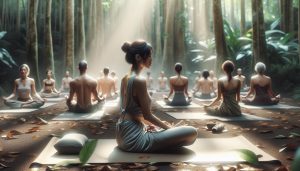
Leveraging the surrounding natural environment can significantly amplify the retreat experience. Consider organizing guided hikes, nature walks, or outdoor meditation sessions. These activities not only allow participants to appreciate the beauty of their location but also facilitate deeper connections to themselves and others. Incorporating practices like forest bathing-an immersive experience in a natural setting-can encourage mindfulness and stress reduction, heightening participants’ overall sense of peace and rejuvenation.
Creative Expression Workshops
Creative workshops such as painting, writing, or crafting can serve as excellent complements to yoga practice. These sessions encourage participants to tap into their creative energies, rediscovering parts of themselves that may have been set aside in the hustle of daily life. Art therapy or journal-writing workshops can provide a space for reflection and expression, allowing attendees to process emotions and experiences in a supportive community setting.
Mind-Body Connection Activities
Activities that enhance the mind-body connection can be integral in a holistic retreat experience. Incorporating modalities like tai chi, qigong, or sound healing can facilitate relaxation and enhance participants’ awareness of their body. Providing opportunities for breathwork, guided visualizations, or body movement therapies encourages individuals to explore their inner landscape and promotes profound healing.
Evening Rituals and Community Bonding
Establishing evening rituals that encourage sharing and vulnerability can create a safe and supportive environment. Group discussions or storytelling circles can foster connection and camaraderie, allowing participants to share insights and experiences from their days. These communal activities can culminate in memorable experiences that leave a lasting impression, enhancing the overall effectiveness of the retreat.
By thoughtfully designing a variety of activities beyond yoga, retreat facilitators cater to the diverse needs of participants, ensuring that everyone embarks on a personalized journey of transformation. Engaging in holistic experiences not only enriches the retreat but also empowers participants to take what they learn and practice it in their everyday lives.
Guiding Group Discussions and Reflection Sessions
Creating a space for group discussions and reflection sessions during a yoga retreat can greatly enhance the transformative experience participants seek. Engaging in thoughtful dialogue not only fosters community but also encourages individual insights that promote healing and self-awareness. Participants often come to retreats with unique backgrounds and experiences, making these discussions invaluable opportunities to share and learn from one another.
To facilitate effective group discussions, consider implementing structures that encourage open communication and respect. Establishing a few simple ground rules-such as confidentiality, active listening, and refraining from judgment-can create a secure environment where participants feel free to express themselves. Use prompts to ignite conversations, such as questions about personal challenges, insights gained during yoga sessions, or feelings experienced throughout the retreat. For instance, asking participants to share a “breakthrough moment” can lead to profound revelations and connections among group members.
Reflection Activities
In addition to open discussions, incorporating guided reflection activities can deepen participants’ understanding of their experiences. Here are a few methods to integrate reflection into sessions:
- Journaling: Provide time for participants to write about their thoughts and feelings following yoga sessions or group discussions. Questions can lead their journaling, such as, “What did I learn about myself today?”
- Partner Sharing: Pair participants and give them a set amount of time to share insights or experiences with each other. Afterward, they can return to the group to share key takeaways.
- Vision Boards: Encourage participants to create visual representations of their intentions or goals for personal growth. This can serve as a tactile method of manifesting their insights.
By weaving these structured discussions and reflection activities throughout the retreat, participants can gain deeper insights into their journeys and foster connections with others. The power of collective sharing can create a ripple effect of healing, with each person’s story enhancing the overall experience for the group. As facilitators, ensuring that these discussions are guided thoughtfully can elevate the retreat from a simple getaway to a truly transformative experience.
Utilizing Nature to Enhance the Yoga Experience
Connecting with nature during a yoga retreat can significantly enhance the overall experience for participants. Surrounded by the sights and sounds of the natural world, individuals often find a deeper sense of peace and grounding, which can catalyze personal transformation. Practicing yoga outdoors can help participants attune to their inner selves and foster a heightened awareness of their bodies in relation to their surroundings. Research shows that spending time in nature has restorative effects, reducing stress and promoting mental clarity. By integrating natural elements into the yoga practice, facilitators can create a transformative environment that supports personal growth.
To effectively utilize nature in a yoga retreat, consider the following approaches:
Outdoor Yoga Sessions
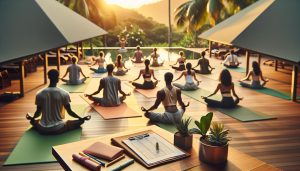
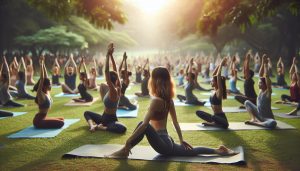
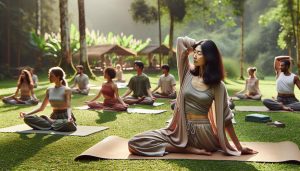
Holding yoga classes in picturesque settings-such as on a beach, in a forest, or overlooking a mountain top-can elevate the practice. The fresh air, natural light, and tranquil sounds of nature enhance the experience, encouraging deeper breathing and relaxation. Implementing gentle movements and mindful breathing while participants soak in the scenery can help them feel more connected to both their practice and the earth.
Nature Walks and Meditative Hikes
Incorporate guided nature walks or meditative hikes into the schedule. These activities allow participants to connect with their environment and reflect on their emotions and thoughts in a serene setting. Encourage mindfulness by asking participants to focus on their senses during the hike-what do they see, hear, and feel? This deep engagement with the surroundings not only promotes physical fitness but also boosts mental well-being and presence.
Enhancing Amenities with Natural Elements
Create spaces for relaxation that incorporate natural materials, such as wooden benches, stone pathways, or gardens. Providing spaces for participants to unwind in nature can enhance their retreat experience, fostering an atmosphere of tranquility where they can reflect on their yoga practice and personal growth.
By leveraging the calming influence of the natural world, yoga instructors and retreat planners can create profound, memorable experiences that resonate with participants long after the retreat has ended. Encouraging individuals to embrace their surroundings not only nurtures their practice but also deepens their connection to themselves and others.
Techniques for Facilitating Personal Growth and Healing
Facilitating personal growth and healing during a yoga retreat is crucial for enabling participants to tap into their inner potential and achieve transformative experiences. The combination of yoga practice, supportive community, and intentional reflection creates an environment ripe for self-discovery and healing. Utilizing various techniques can help participants navigate their emotional landscapes and cultivate a deeper understanding of themselves.
One effective technique is guided introspection, where participants are encouraged to explore their thoughts and emotions through structured journaling prompts. This practice can begin with simple questions such as “What brought you here?” or “What do you hope to achieve during this retreat?” Having dedicated time to write allows individuals to articulate their feelings, set intentions, and identify areas for growth. Incorporating this reflective practice at various stages throughout the retreat helps solidify insights gained during yoga sessions and group discussions.
Another powerful method is the integration of breathwork exercises. These practices can be used to promote emotional release and deepen participants’ connection to their bodies. Techniques like pranayama enable individuals to explore their breath patterns, allowing for the release of tension and the invitation of calmness. Workshops on breathwork can aim to teach participants how to use breathing techniques as tools for managing stress and anxiety beyond the retreat, reinforcing the idea that healing extends well beyond the yoga mat.
Facilitating open discussions in group settings also fosters an atmosphere of support and connection. Participants can share their journeys, challenges, and breakthroughs, which cultivates a sense of belonging. This communal sharing not only validates individual experiences but encourages vulnerability, enabling deeper connections among participants. To enhance these sessions, consider employing methods such as circle sharing or “talking stick” traditions, which promote active listening and give everyone a chance to speak without interruption.
Incorporating holistic therapies, such as sound healing or guided meditation, can further enhance personal growth. These practices can create a multi-sensory environment conducive to healing. Sound therapy, through instruments like singing bowls or gongs, can help shift participants into deeper states of relaxation, facilitating emotional release and healing. These elements, when coupled with yoga, provide a comprehensive approach to well-being that addresses both mind and body.
By harnessing these techniques, retreat organizers can create a nurturing space that not only fosters personal growth but also empowers participants to embrace their healing journeys long after the retreat concludes.
Marketing Your Yoga Retreat: What to Highlight
Marketing a yoga retreat effectively involves highlighting unique aspects that set it apart and resonate with potential participants. With increasing competition in the wellness tourism sector, it’s essential to communicate the transformative experience participants can expect while making them feel personally connected to your retreat offerings.
Begin by focusing on the transformational benefits that attendees will gain. Instead of merely listing what classes or activities will take place, illustrate the emotional, physical, and spiritual transformations they might experience. Consider using testimonials from past participants that showcase their journey and personal successes, effectively adding authenticity to your promotion.
Key Highlights to Consider:
- Personalization: Emphasize any tailored or individualized experiences available, such as customizable yoga classes or one-on-one sessions with instructors.
- Location: Showcase the scenic beauty of the retreat setting. Images of serene landscapes can evoke a sense of peace and escape, attracting those looking for a connection with nature.
- Holistic Approach: Highlight any unique components of your retreat that set it apart, like nutritional planning, wellness workshops, or alternative therapies that complement yoga.
- Community and Connection: Promote the sense of community that will develop among participants. Group outings, shared meals, and collaborative activities can foster relationships that linger long after the retreat ends.
- Expert Instructors: Introduce your instructors and their unique skill sets, certifications, and experience. This builds credibility and allows potential attendees to connect with their guides even before the retreat kicks off.
Visual storytelling can also be a powerful tool. Use videos and photography to capture the essence of your retreat, showcasing beautiful yoga poses on stunning beaches or tranquil mountain tops. Share moments of meditation at sunrise or group laughter during workshops to convey the retreat’s vibrant atmosphere.
Additionally, outline the logistics clearly: include details about the duration, accommodation options, and pricing, and any early bird discounts or referral programs. Transparency in your offering can instill confidence in participants regarding their investment in this personal journey.
By focusing on these aspects, your marketing efforts can create a compelling image of the retreat as a transformative experience, motivating potential participants to embark on their wellness journey with you.
Crafting a Memorable Closing Ceremony for Participants
A well-crafted closing ceremony is essential for leaving a lasting impression on participants and solidifying the transformative experiences they have undergone during the retreat. This moment serves as a poignant culmination of their journey, allowing for reflection and meaningful connection among participants. Incorporating personal sharing, group activities, and rituals can deepen the sense of closure and reinforce the bonds formed throughout the retreat.
One effective approach is to begin the ceremony with a collective practice, such as a guided meditation or a group yoga session that encapsulates the theme of the retreat. This shared moment fosters a sense of unity and invites participants to center themselves before engaging in reflection. Following this, allow time for individuals to share their insights, breakthroughs, or challenges experienced during the retreat. Creating a safe space for sharing builds community and validates each person’s journey, promoting catharsis and collective introspection.
To enhance the experience further, consider incorporating creative elements like a gratitude circle, where participants express appreciation for one another, the instructors, and the space. Participants can also write letters to themselves, reflecting on their journey and future intentions, which can be sealed in envelopes to be opened at a later date, reinforcing commitment to their personal growth.
In addition to personal exchanges, integrating symbolic gestures can enhance the emotional impact of the closing ceremony. For example, lighting candles, planting a tree, or creating a collaborative art piece can serve as powerful visual reminders of their shared experiences and intentions moving forward. By designing a memorable closing ceremony filled with reflection, connection, and symbolism, participants can leave with a deeper sense of fulfillment and motivation to continue their journey beyond the retreat.
Evaluating Success: Feedback and Future Improvements
Gathering feedback after a yoga retreat is more than just a final step-it’s a vital component that shapes the future of your programs. Participants often leave with insights and experiences that can provide valuable data for your planning process. Beyond simple satisfaction surveys, consider employing varied methods to capture their genuine reflections. For example, facilitated group discussions or anonymous feedback forms can encourage participants to share not only what they enjoyed but also what could be improved. Highlight the importance of specific, actionable feedback that can inform your future retreats, paving the way for continuous enhancement and deeper connections.
When analyzing feedback, focus on several key areas. Look into aspects such as the effectiveness of the yoga styles taught, the daily schedules you implemented, and participants’ engagement in mindfulness practices. Did the diet options align with their expectations? Were the holistic activities enriching? By categorizing feedback, you can pinpoint trends that emerge across multiple retreats, allowing you to refine your offerings for greater impact. For instance, if participants consistently note that they enjoyed a particular type of meditation session, consider integrating it into more retreats. This approach not only boosts the overall participant experience but also helps foster loyalty among attendees.
Furthermore, translating this feedback into future improvements requires a proactive mindset. Establish a timeline for reviewing feedback after each retreat and set specific goals based on insights received. For instance, if many participants express a desire for longer nature walks, integrate additional outdoor sessions into your planning. Communicating these enhancements to past participants can also rekindle their interest for future retreats, showcasing your commitment to growth and quality.
By prioritizing feedback and employing it to enhance your offerings, you foster not just participant satisfaction but also a robust community of yogis eager to embark on their next journey with you. Ultimately, this cycle of evaluation and improvement makes for highly successful retreats that resonate with the participants long after they leave, solidifying your reputation as a thoughtful and responsive retreat organizer.
Faq
Q: What are the key components to include in a yoga retreat curriculum?
A: A yoga retreat curriculum should include a variety of yoga styles, mindfulness practices, group discussions for personal growth, nutrition workshops, and nature-based activities. These components promote holistic well-being and enhance the retreat experience, making it transformational for participants.
Q: How can I create a transformative experience during a yoga retreat?
A: To create a transformative experience, focus on integrating daily yoga sessions with mindfulness practices, personal reflection opportunities, and engaging activities in nature. Build a community atmosphere where participants feel safe to share and grow, enhancing their overall journey.
Q: Why is mindfulness important in yoga retreats?
A: Mindfulness is vital in yoga retreats as it deepens participants’ self-awareness, fosters emotional healing, and enhances their yoga practice. Incorporating mindfulness techniques elevates the retreat experience, allowing attendees to connect deeply with themselves and their surroundings.
Q: How should I structure the daily schedule of a yoga retreat?
A: A well-structured daily schedule should balance yoga classes, mindfulness sessions, workshops, and free time. Start with morning yoga to energize the day, followed by meals, group discussions, and relaxation activities, ensuring participants have ample time to reflect and absorb their experiences.
Q: What types of nutrition topics should be covered in a yoga retreat?
A: Focus on nutrition topics like plant-based diets, mindful eating practices, and the effects of food on energy and mood. Offering cooking classes or workshops can reinforce the importance of nourishing the body alongside the yoga practices featured in the retreat.
Q: How can I use nature to enhance a yoga retreat?
A: Utilize nature by hosting outdoor yoga sessions, incorporating nature walks, and engaging with the environment through activities like hiking or silent contemplation in natural settings. Nature enhances mindfulness and connection, making the yoga experience more enriching.
Q: What activities can complement yoga in a retreat setting?
A: Complement yoga with activities such as journaling, meditation workshops, breathwork sessions, or creative arts. These holistic experiences foster deeper connections among participants and allow for comprehensive personal growth that supports the yoga practice.
Q: How can I evaluate the success of my yoga retreat?
A: Evaluate retreat success through participant feedback surveys, observing engagement levels during activities, and assessing personal transformation stories shared by attendees. Comprehensive feedback helps inform future improvements and ensures each retreat meets participant needs effectively.
In Summary
As we conclude this exploration of “What to Teach on a Yoga Retreat: Transformational Blueprint,” remember that crafting an impactful retreat experience requires thoughtful planning and awareness of your participants’ needs. By focusing on transformational themes, integrating wellness practices, and engaging your attendees with rich content, you’ll create an atmosphere that fosters growth and connection. Don’t wait – start implementing these strategies today, and watch your retreat evolve into a memorable journey for all involved.
For further insights into enhancing your wellness offerings, check out our articles on effective retreat marketing strategies and how to choose the perfect retreat destination. If you’re ready to take the next step, consider signing up for our newsletter to receive expert tips and exclusive resources tailored to retreat planning. We encourage you to share your thoughts and experiences in the comments below, and we look forward to supporting your journey in wellness travel.
Get our latest guides, news, and insights highlighted in your Google Search & AI Overviews.