Yoga retreats have become a sanctuary for those seeking relaxation and personal growth, yet many misconceptions linger about what they truly entail. Did you know that not all retreats are created equal? Understanding the hidden truths behind yoga retreats can help you make informed choices that align with your wellness goals and expectations. Whether you’re looking to deepen your practice, escape the daily grind, or even explore different cultures, knowing the essential aspects of these retreats can enhance your experience. This guide sheds light on what to expect, common pitfalls to avoid, and how to select a retreat that truly meets your needs. Dive in to uncover the realities behind these transformative experiences and start your journey with clarity and confidence.
What is a Yoga Retreat? Understanding the Concept
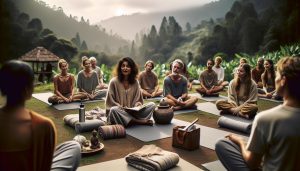
A yoga retreat offers a remarkable opportunity to step away from daily life and immerse oneself in a transformative environment dedicated to physical, mental, and spiritual well-being. At its core, a yoga retreat is more than just a vacation; it’s a focused period where individuals can deepen their practice, learn new techniques, and engage with like-minded individuals in a serene setting. These retreats often take place in tranquil locations, from secluded beaches to lush mountain resorts, allowing participants to reconnect with nature while exploring various styles of yoga, meditation, and wellness activities.
Typically lasting from a weekend to several weeks, yoga retreats provide structured schedules that blend yoga sessions, meditation, and wellness workshops with leisure time for personal reflection or exploration. This creates a balanced environment where participants can rejuvenate while also experiencing significant growth in their practice. Whether you’re a seasoned yogi or a beginner, retreats are designed to cater to all skill levels, offering classes and teachings tailored to meet diverse needs.
Most importantly, a yoga retreat emphasizes community. The shared experiences foster connections among participants, leading to lasting friendships and a supportive network beyond the retreat. Engaging in group activities, sharing meals, and participating in discussions often enriches the experience, cultivating a sense of belonging and collective journey towards self-discovery. As you consider embarking on a retreat, recognize it as a unique chance to not only enhance your yoga practice but also to explore your inner self in a nurturing and inspiring environment.
The Benefits of Attending a Yoga Retreat
Participating in a yoga retreat can serve as a powerful catalyst for personal transformation, offering a wealth of benefits that extend far beyond the yoga mat. These retreats provide participants with a unique opportunity to disconnect from the hustle and bustle of everyday life and reconnect with themselves. Immersed in serene environments-whether in nature or tranquil retreat centers-attendees can cultivate mindfulness and deepen their meditation practices while exploring different styles of yoga. This immersive experience often leads to profound insights and enhanced well-being.
One of the primary advantages of attending a yoga retreat is the opportunity for dedicated practice. With structured schedules that include multiple sessions each day, participants can dive deeply into their practice without the distractions commonly found in daily life. This immersive format allows individuals to refine their techniques, learn new methodologies, and engage in discussions that can enrich their understanding of yoga and its philosophy. For beginners, the supportive atmosphere fosters confidence, while seasoned practitioners can deepen their skill set and explore advanced techniques.
Furthermore, yoga retreats emphasize community and connection. Participants often arrive as strangers but often leave as friends, bonded by shared experiences and collective journeys. Group activities-ranging from shared meals to collaborative workshops-nurture a sense of belonging and support that can lead to long-lasting friendships. Such connections can enhance one’s practice, as individuals share insights, challenges, and encouragement, fostering a supportive network that continues long after the retreat ends.
In addition to the physical and social benefits, retreats often incorporate wellness and holistic practices such as nutrition workshops, meditation sessions, and mental health seminars. This well-rounded approach equips participants with tools they can integrate into their daily lives, helping them maintain a holistic lifestyle that promotes ongoing personal growth and wellness. Whether it’s learning about mindful eating or engaging in discussions about stress management, these experiences can transform how attendees approach life outside the retreat.
Overall, the life-changing advantages of attending a yoga retreat make it a valuable investment in one’s health and well-being, offering a rare chance to retreat, rejuvenate, and reinvigorate one’s practice in an inspiring and supportive environment.
Common Myths About Yoga Retreats Debunked
Participating in a yoga retreat can often be surrounded by misconceptions that deter potential attendees. One of the most common myths is that yoga retreats are only for seasoned practitioners. In reality, retreats are designed to be inclusive, welcoming individuals from all levels of experience. Beginners are not only welcomed but can find great benefit in the structured environment where they can learn foundational practices alongside more experienced participants. This setting encourages a nurturing atmosphere where questions are welcomed, and shared learning enhances the experience for everyone.
Another prevalent misconception is that yoga retreats are strictly about vigorous physical practice. While physical yoga is a significant component, many retreats focus on a holistic approach to wellness. This often includes meditation, mindfulness workshops, nutrition discussions, and even nature walks, all of which contribute to overall well-being. Participants can engage in various activities that promote mental and physical health, showing that retreats are not confined to the mat but expand into an enriching lifestyle experience.
Many people also believe that yoga retreats are prohibitively expensive and require a significant financial investment. However, there’s a wide range of options available to suit different budgets. From luxurious, all-inclusive resorts to more modest, community-focused centers, there’s bound to be a retreat that fits within one’s financial means. Furthermore, considering the long-lasting effects of such transformative experiences, many find that the investment is well worth it for the benefits gained.
Finally, some may think that attending a yoga retreat means disconnecting entirely from the outside world. While it’s true that many retreats encourage participants to unplug from their daily routines, this does not mean isolating oneself completely. Most retreats foster a sense of community, allowing for meaningful connections to be formed among participants. Group activities and shared meals create an environment where lasting friendships can blossom, ultimately supporting one’s journey even after leaving the retreat.
By debunking these myths, individuals can understand that yoga retreats offer a unique opportunity for growth, connection, and exploration, making them accessible to anyone willing to embrace the experience.
How to Choose the Right Yoga Retreat for You
Choosing the perfect yoga retreat can significantly enhance your journey toward mindfulness, personal growth, and physical wellness. With countless options available, making that choice requires careful consideration of various factors to ensure your retreat experience aligns with your goals. Start by reflecting on what you hope to achieve during your time away. Are you looking to deepen your yoga practice, explore meditation, or simply find a peaceful space to unwind and de-stress? Having clarity around your intentions will guide your search.
When researching potential retreats, examine the retreat’s structure, including the types of yoga offered, daily schedules, and additional activities such as workshops or excursions. Different retreats emphasize various styles, from vigorous Ashtanga to relaxed Yin yoga, so it’s essential that the offerings resonate with your personal preferences and experience level. Moreover, consider whether you’d prefer a more traditional, silent retreat or an interactive, community-based environment; this choice can significantly impact your overall experience.
Location also plays a critical role in your decision. Are you drawn to tropical beaches, serene mountains, or urban sanctuaries? Each environment can create a distinct atmosphere that enhances your retreat experience. Once you identify potential locations, research the facilities, accommodations, and amenities available. Ensure that these meet your comfort requirements and align with your budget, as some retreats provide luxurious, all-inclusive experiences, while others may be more modest and community-focused.
Finally, read reviews and testimonials from past participants to gain insights into their experiences. You might also want to directly contact the retreat organizers with any questions or concerns. This communication can provide a sense of the community and support that awaits you. By carefully assessing these criteria, you can choose a yoga retreat that not only meets your practical needs but also resonates with your personal aspirations for rejuvenation and growth.
Essential Factors to Consider Before Booking
Before committing to a yoga retreat, taking the time to consider a variety of essential factors can significantly enhance your experience and ensure it aligns with your personal goals. First and foremost, individual intentions for attending should guide your decision-making. Whether you’re seeking relaxation, personal growth, or intensive yoga practice, clarity in your motives can help you filter which retreats are truly suitable for you.
An important aspect to examine is the teaching style and credentials of the yoga instructors. Each teacher brings their unique approach and energy to sessions, which can greatly influence your experience. Look for instructors with reputable training and positive reviews, as learning from a skilled teacher can deepen your understanding and enhance your practice. Additionally, consider the retreat’s structure-will it primarily focus on yoga, or will it include other wellness activities such as meditation, workshops, or nature excursions? Each type of structure can provide different benefits, so choose one that resonates with your personal wellness aspirations.
Location is another vital consideration. Do you envision yourself practicing yoga on a quiet beach, in a lush forest, or amidst the mountains? The surroundings can greatly affect your overall experience, contributing either peace or distraction. Ensure that the facilities where the retreat will take place cater to your needs for comfort and privacy, as well as any additional amenities that may enhance your retreat experience, such as spa services or nutritious meal options.
Lastly, keep an eye on your budget. Yoga retreats can vary widely in cost; understanding what is included-such as accommodations, meals, and activities-will help you gauge the overall value of the experience. Don’t hesitate to reach out to the retreat organizers directly with questions about itinerary details or accommodations. This interaction can provide invaluable insights and help confirm whether the retreat will meet your needs, ultimately leading you to a fulfilling and enriching experience.
Understanding Different Types of Yoga Retreats
Yoga retreats come in various forms, each designed to cater to the diverse needs and preferences of participants. Understanding these different types can help you choose a retreat that aligns perfectly with your goals, whether that’s relaxation, intensive practice, or personal growth.
One popular type is the wellness retreat, which marries yoga practice with holistic health approaches. These retreats often include workshops on nutrition, mindfulness, and other wellness-focused activities, providing a comprehensive package that nurtures the body and mind. You might find offerings that incorporate spa treatments, organic meals, and nature walks, all aimed at holistic healing.
Specialized Yoga Retreats
Another category is specialized yoga retreats that focus on specific styles or themes. For example, there are retreats dedicated to advanced Ashtanga practice or restorative yoga, where sessions are tailored to deepen your understanding of a particular technique. Other themed retreats might combine yoga with activities such as surf lessons, hiking, or even creative arts. These retreats attract individuals looking for a unique twist on traditional yoga.
Silent Retreats
Silent retreats offer a distinct experience, emphasizing meditation and self-reflection. Participants typically engage in a digital detox and minimize verbal communication, allowing for internal contemplations and deeper connections with one’s personal practice. This retreat type is perfect for those seeking to disconnect from the daily hustle and truly reconnect with their inner selves.
Yoga Retreats for Beginners vs. Advanced Practitioners
Finally, consider your skill level when selecting a retreat. Many retreats cater specifically to beginners, providing foundational principles and gentle sessions designed to introduce newcomers to yoga. Conversely, advanced practitioners can find retreats that challenge their skills, often featuring rigorous daily practices and workshops led by renowned yoga instructors.
As you explore your options, remember that each type of retreat has its unique offerings and intended experiences. Tailoring your choice based on your personal goals and preferences ensures a valuable and enriching journey in your yoga practice.
What to Expect During a Yoga Retreat Experience
Participating in a yoga retreat offers a transformative experience, immersing you in the practice in a serene environment free from everyday distractions. From the moment you arrive, you’ll be welcomed into a community that shares your passion for yoga and well-being. Expect a structured schedule combining meditation, yoga sessions, and time for relaxation and reflection, often set against breathtaking natural backdrops that enhance your practice.
Each day typically begins with early morning yoga or meditation, encouraging you to awaken gently and set a positive intention. The sessions vary in style and difficulty, accommodating all levels from beginners to advanced practitioners. Throughout the day, there may be workshops on topics such as mindfulness, nutrition, or other wellness practices, providing a holistic approach to well-being. The atmosphere is often supportive, encouraging you to explore your limits and deepen your understanding of yoga.
As you participate in the group meals, which are usually planned to be nourishing and wholesome, you’ll foster connections with fellow participants. This communal dining experience can be as enriching as the yoga itself, offering a chance to share insights and build friendships in an inspiring setting. Additionally, some retreats include free time in the afternoon, allowing you to relax, journal, or even enjoy local excursions if the setting permits.
One of the most significant aspects of a yoga retreat is the opportunity for self-discovery. As structured classes intertwine with quiet moments of contemplation, you’ll find space to reflect on your intentions, goals, and the challenges you might face at home. This time spent focusing on your inner self can lead to profound insights and a renewed commitment to your practice. Whether you’re looking to recharge, deepen your practice, or cultivate new habits, a yoga retreat typically nurtures every facet of your being, helping you return to your daily life with clarity and purpose.
Preparing Physically and Mentally for a Retreat
Before embarking on a yoga retreat, fostering both physical readiness and mental clarity is crucial. Engaging in preparatory activities can significantly enhance your retreat experience, allowing you to fully immerse yourself in the transformative journey that awaits. A well-rounded approach combines gradual physical conditioning with mental exercises to center your thoughts and intentions.
Start by establishing a consistent yoga practice in the weeks leading up to your retreat. This can include a mix of styles that you may encounter during the retreat, ensuring your body is familiar with these movements. Consider incorporating restorative practices, such as Yin or Hatha yoga, to cultivate flexibility and intuition. Additionally, strength-building exercises like Pilates or strength training can support your stamina for more intensive sessions. Aim to practice at least three to four times a week, gradually increasing the duration and intensity of your sessions.
Focus on cultivating a healthy routine that includes a balanced diet rich in whole foods, hydration, and adequate sleep. Pay attention to any dietary requirements or preferences you may have, especially since many retreats emphasize nourishing meals. If you’re following a specific diet, begin adapting your meals in advance to align with the retreat’s offerings. This phase also serves as an opportunity to detox your system from processed foods, caffeine, or alcohol, preparing your body to best benefit from the retreat’s healthy environment.
Mentally preparing is equally essential. Spend time reflecting on your intentions for the retreat-be it self-discovery, stress relief, or deepening your practice. Journaling can be a powerful way to articulate your goals and clarify what you hope to gain from the experience. Consider practicing mindfulness or meditation daily, even if for just a few minutes; this can help you become attuned to your current state of mind and ground you in your intentions. Visualization techniques, such as imagining yourself thriving at the retreat, can also encourage a positive and open mindset.
Lastly, consider the logistics of your retreat and allow yourself time to adjust. If the retreat involves travel to a new location, familiarize yourself with the area, the schedule, and what to expect. List down what you plan to bring, ensuring you pack items that will facilitate your practice, such as yoga mats, appropriate clothing, and personal comfort items. By approaching this preparation holistically, you create a solid foundation for a fruitful and enriching yoga retreat experience, reinforcing your commitment to both your practice and personal growth.
Tips for Maximizing Your Retreat Experience
To truly immerse yourself in the transformative experience of a yoga retreat, consider embracing a few key strategies that will enrich your journey. Engaging fully, both physically and mentally, enhances not only your practice but also your overall enjoyment and personal growth. This is a golden opportunity to disconnect from the chaos of daily life and connect deeply with yourself and others.
First, approach each class with an open heart and mind. Let go of expectations regarding your performance or the outcomes of your practice. Instead, focus on the journey itself-each posture, breath, and moment spent in mindfulness. This shift in perspective can foster a deeper connection to your practice and allow you to fully experience the present. Participating actively in all aspects of the retreat, whether it’s meditation sessions, discussions, or communal meals, can deepen your connection with fellow participants and enrich your understanding of yoga.
Another tip is to set personal intentions for your retreat. Before you arrive, spend some time reflecting on what you hope to gain: whether it’s physical flexibility, stress relief, or a deeper sense of community. Sharing these intentions with the group can create a supportive atmosphere where everyone encourages each other to grow. Furthermore, maintain a journal during your retreat. This can serve as a powerful tool for reflection, helping you to articulate insights and emotions that arise during your time away. You may find that jotting down your thoughts after each session provides clarity and enhances your experience.
Lastly, prioritize self-care throughout your retreat. While it’s easy to get swept up in the excitement and activities, make sure to listen to your body and mind. Take breaks when needed-enjoy a quiet moment in nature, indulge in mindful eating, or practice gentle stretching if you feel fatigued. Remember, this retreat is as much about personal well-being as it is about your yoga practice. By nurturing yourself, you create the space to absorb all the lessons and healing that the retreat has to offer, allowing the experience to resonate long after you return home.
Navigating Costs: Is a Yoga Retreat Worth It?
Participating in a yoga retreat often involves a significant financial commitment, leading many to question whether the investment is justified. On average, costs for a yoga retreat can range from a few hundred to several thousand dollars, depending on factors such as location, duration, accommodations, and included amenities. While the price tag may seem steep upfront, the value derived from such an experience can be profound. The retreat offers a unique opportunity to immerse yourself in a dedicated practice away from everyday distractions, fostering personal growth and mental clarity that validates the expense.
When assessing the overall worth of a yoga retreat, consider what is included in the package. Many retreats offer comprehensive experiences encompassing accommodation, meals, yoga classes, and additional wellness activities like meditation, workshops, and excursions. This all-inclusive approach not only simplifies planning but also creates a supportive community environment. Furthermore, investing in a retreat can be seen as an investment in your well-being, as it provides focused time to recharge and reconnect with yourself, which often yields long-lasting benefits.
Several factors can help you determine if the cost aligns with your personal goals and financial situation. Start by reflecting on your current wellness journey: Are you seeking to deepen your meditation practice, improve flexibility, or simply escape the daily grind? Additionally, consider your budget and the potential long-term benefits to your physical and mental health. If a retreat aligns with your wellness aspirations and feels financially feasible, it may be worth prioritizing as an investment in yourself.
Ultimately, deciding whether a yoga retreat is worth it comes down to individual priorities and what you hope to gain from the experience. By thoughtfully evaluating costs in relation to the retreat’s offerings and your personal needs, you’ll be better positioned to make an informed decision that enhances your wellness journey.
Locations That Offer the Best Yoga Retreats
The world is brimming with destinations that cater specifically to yoga enthusiasts seeking transformative experiences. While tropical paradises like Bali and Costa Rica are widely recognized for their lush landscapes and vibrant yoga communities, there are numerous other locales that offer exceptional yoga retreats, each presenting unique benefits and settings.
Bali, Indonesia
Bali consistently tops the list for yoga retreats, renowned for its breathtaking beaches, lush rice terraces, and a rich cultural heritage. The island is a haven for yogis of all levels, offering a variety of retreat styles focused on wellness, meditation, and self-discovery. Many retreats incorporate elements of traditional Balinese healing, providing a holistic experience that goes beyond yoga practice.
Costa Rica
With its stunning natural landscapes ranging from beaches to mountains, Costa Rica is another popular destination for yoga retreats. The country is celebrated for its commitment to sustainability and wellness, often offering eco-friendly accommodations. Retreats here frequently blend yoga with adventure, allowing participants to engage in activities such as hiking, surfing, and wildlife exploration in tandem with their practice. This synergy fosters a connection to nature, which can enhance the overall retreat experience.
Maui, Hawaii
Maui offers the perfect backdrop for any yoga retreat, boasting stunning ocean views, tropical flowers, and an atmosphere of tranquility. Many retreats focus on rejuvenation, incorporating practices such as beach yoga, sound healing, and holistic workshops. The island’s laid-back energy and scenic beauty make it a top choice for those looking to relax and recharge.
Spain
For those seeking a European experience, Spain presents several captivating destinations, such as the serene beaches of Ibiza and the picturesque countryside of Andalusia. Yoga retreats in Spain often blend Spanish culture with wellness practices, offering opportunities to engage in local cuisine, art, and history. These retreats can be particularly appealing for those looking to immerse themselves in the Mediterranean lifestyle while enhancing their yoga practice.
India
As the birthplace of yoga, India offers some of the most authentic and immersive yoga retreat experiences. From the tranquil beaches of Goa to the spiritual ambiance of Rishikesh, participants can delve deep into traditional yoga practices while exploring Indian culture. Many retreats focus on various styles, including Hatha, Vinyasa, and Ashtanga, often led by experienced instructors steeped in the philosophy of yoga.
Choosing the right location for your yoga retreat can significantly influence your experience. Consider factors like the environment, type of activities offered, and the style of yoga you wish to practice. Whether you’re looking for relaxation, adventure, or cultural immersion, the diverse array of locations can provide the perfect setting for a rejuvenating escape.
Maintaining Your Practice After the Retreat
Finding ways to sustain the benefits of your yoga retreat can be a transformative journey in itself. After immersing yourself in a profound practice surrounded by serene landscapes and a like-minded community, it’s common to feel a sense of loss when returning to your daily life. However, maintaining your yoga practice post-retreat is entirely achievable, and can greatly contribute to your overall sense of well-being.
To keep the momentum going, consider establishing a consistent home practice. Creating a dedicated space in your home for yoga can help reinforce your commitment. Start by setting realistic goals; even a short 15-20 minute session a few times a week can be incredibly beneficial. Use online resources or apps that offer guided classes, allowing you to practice different styles-such as Hatha or Vinyasa-at your convenience. Moreover, integrating meditation into your routine can enhance your mindfulness and deepen your yoga experience.
Connecting with the yoga community post-retreat can also play a crucial role in sustaining your practice. Look for local studios that resonate with your retreat experience or attend workshops and classes featuring teachers you admire. Joining or forming a group can provide motivation and accountability, making it easier to stick to a routine while fostering friendships with fellow yogis. You might even consider organizing periodic group practices or online meet-ups to share experiences and stay engaged.
Additionally, incorporating yoga principles into your daily life will extend the retreat’s benefits. Applying mindfulness to everyday activities, such as eating and commuting, can deepen your connection to yoga off the mat. Practicing gratitude and self-compassion can further enhance your mental wellness, reminding you of the insights gained during the retreat. By making yoga a holistic part of your life, you not only maintain the practice but also embody its teachings in all aspects of your existence.
Ultimately, the transition from retreat to reality doesn’t have to dim the light of your yoga journey. With intention and creativity, the lessons learned can flourish long after you leave the idyllic surroundings behind, enriching your everyday experiences.
FAQ
Q: What should I know before attending a yoga retreat?
A: Before attending a yoga retreat, research the location, instructor credentials, and schedule. Understand the retreat’s focus, such as relaxation or intensive training, and verify what’s included in the price. Familiarizing yourself with these aspects ensures you choose a retreat that meets your needs.
Q: How can a yoga retreat impact my mental health?
A: A yoga retreat can significantly improve mental health by providing a break from daily stressors, fostering mindfulness, and promoting relaxation. Participants often report increased clarity and emotional resilience, which can help manage anxiety and depression more effectively.
Q: Are yoga retreats suitable for beginners?
A: Yes, many yoga retreats cater specifically to beginners, offering classes that range from foundational yoga practices to more advanced techniques. It’s essential to check the retreat’s offerings to ensure there are beginner-friendly options available.
Q: What are the common misconceptions about yoga retreats?
A: Common misconceptions include the belief that all retreats are only for advanced yogis, or that they are excessively expensive. In reality, there are retreats for all skill levels and budgets, which focus on relaxation, healing, and personal growth.
Q: How do I choose a yoga retreat that fits my needs?
A: To choose a suitable yoga retreat, define your goals (relaxation, intensive learning), consider the location and environment, check the retreat schedule, and review participant feedback. This approach helps ensure that the retreat aligns with your personal wellness journey.
Q: What should I pack for a yoga retreat?
A: Packing for a yoga retreat typically includes comfortable clothing, yoga gear (mat, blocks), personal items (toiletries, medications), and a journal for reflections. Check with the retreat organizer for any specific recommendations or items that may be provided.
Q: What can I do to prepare for a yoga retreat?
A: Preparing for a yoga retreat involves establishing a pre-retreat practice, staying hydrated, and setting intentions for your experience. It’s also beneficial to mentally prepare by visualizing your goals and being open to new experiences.
Q: How can attending a yoga retreat enhance my practice at home?
A: Attending a yoga retreat can enhance your practice at home by introducing new techniques and philosophies. You’ll gain insights from experienced instructors, along with specific tools and strategies to incorporate into your daily routine for sustained benefits.
The Way Forward
As you embark on your journey into the world of yoga retreats, remember the essential insights shared in “What You Should Know About Yoga Retreat: Hidden Truths.” Whether you’re seeking deeper relaxation or a transformative experience, understanding the nuances of these retreats can guide you towards making informed choices. Don’t miss the chance to enhance your well-being-start planning today and discover the perfect escape that aligns with your needs.
For more insights, explore our guide on wellness travel essentials and check out tips for maintaining your practice while traveling on our blog. If you’re considering joining a yoga class, look into our online sessions designed for all levels. Join our community by signing up for our newsletter-stay informed and inspired with the latest from the world of wellness travel. Your retreat awaits!
Get our latest guides, news, and insights highlighted in your Google Search & AI Overviews.