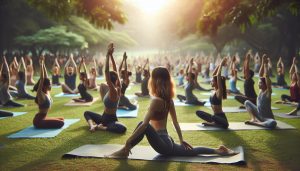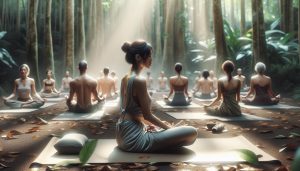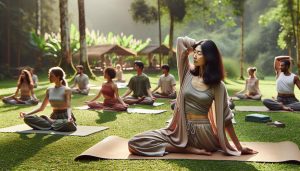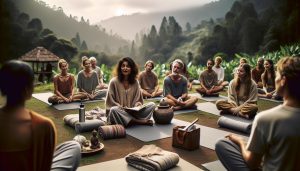
In today’s fast-paced world, stress has become a common part of our daily lives. Did you know that yoga retreats offer a unique escape that not only promotes relaxation but also enhances overall health? By immersing yourself in a serene environment, surrounded by nature and like-minded individuals, you can deepen your yoga practice while reaping significant mental and physical benefits. From improved flexibility and strength to reduced anxiety and improved sleep, the science-backed advantages of yoga retreats are compelling. Whether you’re seeking to rejuvenate your spirit or simply to find a moment of peace, exploring these retreats can be a transformative experience. Dive into the numerous health benefits of yoga retreats and discover how they might just be the perfect antidote to the stresses of modern life.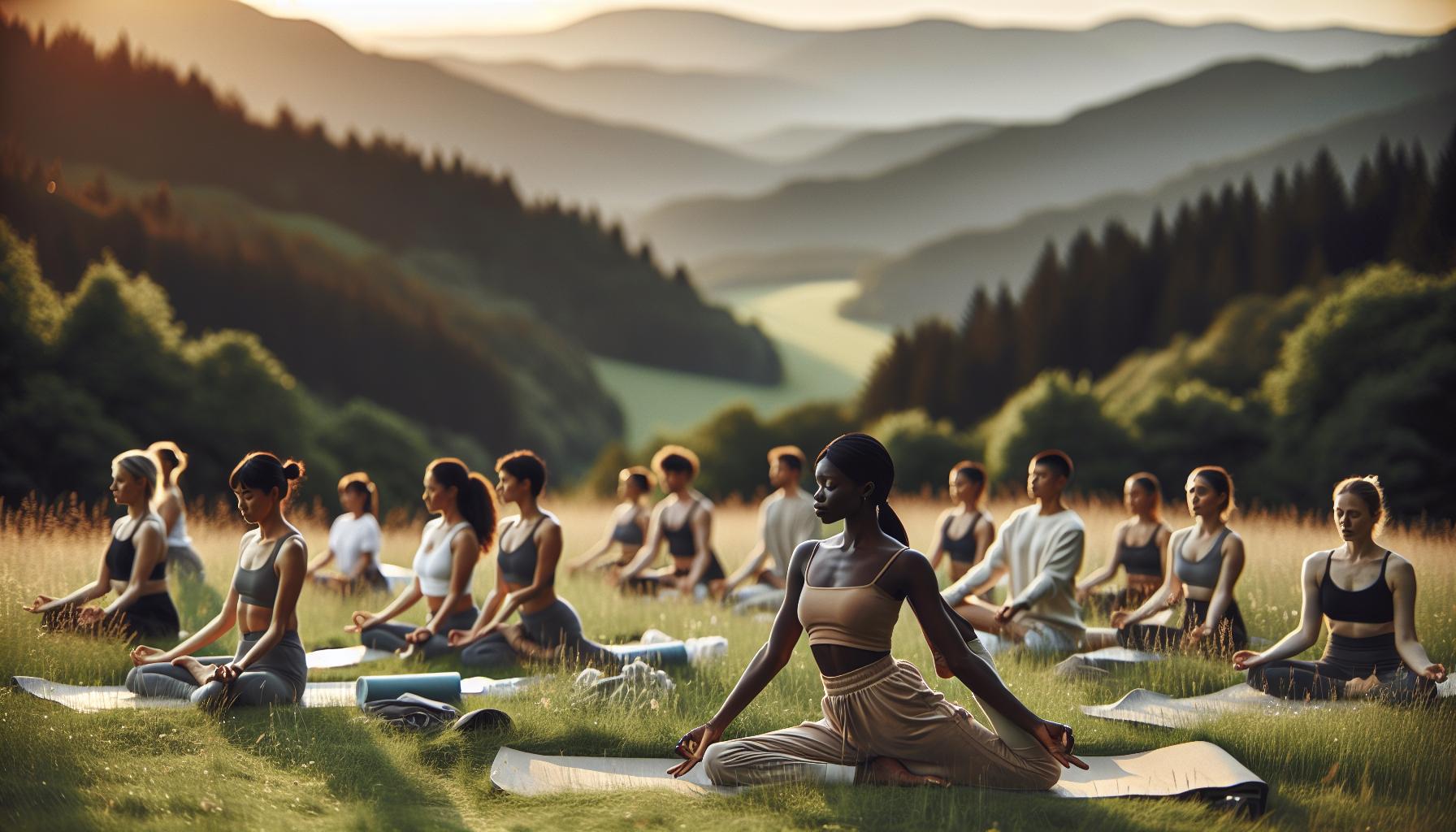
The Science Behind Yoga Retreats and Well-Being
Immersing oneself in a yoga retreat can be transformative, ripe with benefits that support overall well-being. Research has shown that stepping away from daily routines and entering a focused environment can amplify the positive effects of yoga practices. This environment acts as a catalyst, enhancing both physical and mental health outcomes. Scientific studies indicate that participants often experience significant reductions in stress levels, improvements in mental clarity, and a stronger connection to their bodies, all of which may not be as easily achieved in everyday life.
One key aspect of the well-being that yoga retreats promote is the repetitive and concentrated practice of yoga itself. Scientific evidence suggests that consistent engagement in yoga can lead to improved flexibility, strength, and cardiovascular health. Furthermore, these retreats typically provide a structured setting where individuals practice daily yoga sessions, encouraging a rhythm that boosts physical adaptations and reinforces the practice as a healthy routine. Participants often report feeling more grounded in their physical bodies, which aligns with studies indicating that physical activity, especially practices like yoga, leads to enhanced physical and psychological wellness.
Beyond the physical dimension, the mental health benefits of yoga retreats are profound. The combination of yoga practice with mindfulness and meditation fosters an environment conducive to emotional healing and stress relief. Research highlights the correlation between mindfulness meditation and reduced levels of anxiety and depression, making retreats a powerful tool for cultivating mental resilience. Participants may find themselves not only decompressing from the pressures of everyday life but also engaging in introspection that leads to personal insights and clarity.
In addition to the practices and environment, the social dynamics within a retreat setting contribute significantly to overall well-being. Engaging with like-minded individuals creates opportunities for meaningful connections, fostering a sense of community that can be both nurturing and inspiring. Social support is an essential factor in mental health, and the shared experiences in a retreat can lead to lasting friendships and networks that extend beyond the experience itself. Overall, the science behind yoga retreats illustrates a multifaceted approach to health that incorporates physical activity, mindfulness, and community, making them a profound opportunity for holistic personal growth.
Physical Health Benefits of Yoga Retreats
Engaging in a yoga retreat offers a powerful avenue for enhancing physical health, often resulting in transformative benefits that extend far beyond what traditional yoga classes can provide. The immersive environment of a retreat allows participants to engage in daily, focused yoga practices, paving the way for significant improvements in flexibility, strength, and general physical well-being. The science behind these benefits lies in the structure and dedication to practice that retreats encourage, allowing individuals to deepen their yoga practice in ways that may not be possible in their everyday lives.
Through regular practice, participants often experience heightened physical awareness, contributing to better body alignment and posture. Many report a noticeable enhancement in their range of motion, a reduction in chronic pain, and improved balance and coordination. A more profound connection to one’s body can also lead to better overall health; physical activity like yoga has been linked to cardiovascular improvements and can aid in reducing inflammation and stress levels throughout the body.
Moreover, the holistic approach of yoga retreats frequently includes complementary health practices such as nutritious meals, mindfulness meditations, and breathing exercises. These elements not only support the body’s recovery and rejuvenation but also foster habits that can be integrated into daily routines post-retreat. By consuming wholesome, plant-based diets offered in many retreats, individuals can further amplify their physical health improvements, gaining energy and vitality while learning about the importance of nutrition.
Ultimately, the physical health advantages of attending a yoga retreat stem from an environment intentionally crafted for growth and healing. Participants leave with not just new skills but a refreshed commitment to their physical health, equipped with knowledge that encourages them to maintain these practices even after returning to their normal lives. Embracing this complete wellness experience can lead to lasting changes that enhance health and well-being significantly.
Mental Health Improvements from Retreat Experiences
Engaging in a yoga retreat can act as a powerful catalyst for mental health improvements, often leading to transformative changes that enhance emotional resilience and cognitive clarity. Within the focused environment of a retreat, participants can break free from the distractions and stressors of daily life, creating a space conducive to introspection, relaxation, and self-discovery. Research has shown that immersive mindfulness practices-such as those consistently employed in yoga-can significantly reduce symptoms of anxiety and depression. A retreat provides an ideal setting to cultivate this mindfulness, as daily routines are structured to support deep mental engagement with yoga and meditation.
Participating in structured meditation and yoga sessions promotes not only emotional regulation but also the development of coping mechanisms for stress. For example, retreat-goers often report improvements in their ability to manage anxiety levels, thanks to the techniques learned during workshops and classes. Regular practice allows the brain to form new neural pathways, enhancing overall mental health and fostering a sense of calm and well-being. Being away from everyday stressors while surrounded by like-minded individuals also facilitates discussions and shared experiences that can be incredibly validating and healing.
Additionally, many retreats incorporate immersive workshops that challenge and inspire participants. These can range from creative expression exercises to group discussions, which help deepen connections among attendees. Such interactions can significantly reduce feelings of isolation and loneliness, contributing further to mental well-being. Participants often leave retreats not only with enhanced techniques for maintaining emotional balance but also with newfound friendships and supportive networks that can sustain their progress long after the retreat has ended.
Ultimately, the mental health benefits derived from yoga retreats are a result of a unique combination of focused practices, social connections, and a nurturing environment that collectively promote personal growth. Retreats invite participants to explore their inner landscapes, uncovering layers of stress and emotional baggage, and encouraging a deeper understanding of themselves in a supportive community atmosphere. Through these experiences, individuals emerge rejuvenated and equipped with practical tools to navigate the complexities of modern life more effectively.
Emotional Growth through Immersive Yoga Practices
Participating in immersive yoga practices within a retreat setting can facilitate profound emotional growth, often leading individuals toward a greater understanding of themselves and their feelings. When removed from daily responsibilities and immersed in a supportive community, participants are provided with an opportunity to reflect on their emotional patterns and behaviors without the usual distractions of daily life. This focused environment encourages vulnerability, allowing individuals to explore parts of themselves that may have been neglected or suppressed.
The structured nature of yoga retreats often combines daily yoga sessions with mindfulness practices, meditation, and workshops aimed at developing emotional intelligence. Activities such as journaling reflections or participating in group discussions can help individuals process their experiences, prompting breakthroughs related to personal challenges. These engaging formats not only enhance emotional awareness but also cultivate resilience by fostering skills to navigate life’s ups and downs.
Moreover, the shared experience of being in a retreat community can significantly amplify emotional growth. As participants share insights and vulnerabilities, bonds develop, creating a space where individuals feel understood and supported. Such connections can diminish feelings of isolation, offering emotional safety and encouragement to face inner struggles. This camaraderie reinforces the learning that occurs through immersive practices, making the emotional shifts more profound and lasting.
For many, the impact of emotional growth experienced during retreats extends beyond the event itself. Participants often carry new perspectives and coping strategies back into their everyday lives, leading to healthier emotional habits and relationships. By engaging deeply with their emotions in the retreat environment, individuals set the stage for ongoing personal development and a more balanced emotional life.
Social Connections Made During Yoga Retreats
Participating in a yoga retreat offers a unique opportunity to forge meaningful social connections that can enhance overall well-being. In these immersive environments, participants often find themselves surrounded by like-minded individuals who share a common goal of self-improvement, mindfulness, and personal growth. This shared purpose not only creates an instant sense of camaraderie, but also fosters deeper conversations and relationships that may not be as easily established in everyday life.
One of the key aspects of yoga retreats is the structured setting that encourages social interactions. Activities such as group yoga sessions, meditative practices, and various workshops provide participants with natural opportunities to connect. Engaging in shared experiences, whether it’s mastering a challenging pose or participating in a meditation circle, helps break down social barriers, allowing for authentic exchanges and support. As participants share their personal journeys, struggles, and successes, they build bonds that often last well beyond the retreat itself.
The collective environment of a retreat even encourages vulnerability, as individuals might discuss their challenges in a safe and accepting space. This openness can lead to powerful friendships, as participants discover they are not alone in their struggles. Many find that these relationships provide essential support systems that contribute to their mental and emotional health both during and after the retreat.
Moreover, the diversity within retreat groups can enhance the social experience, with participants often coming from various backgrounds and cultures. This mix can facilitate cross-cultural understanding and lifelong friendships, enriching the experience in ways that can transform perspectives and expand networks. By fostering connections through shared experiences, yoga retreats become more than just a physical journey; they become a holistic approach to developing a supportive community that nurtures personal growth and well-being.
Spiritual Benefits: Finding Inner Peace at Retreats
Immersing oneself in a yoga retreat can lead to profound spiritual transformation, facilitating a journey toward inner peace and self-discovery. These retreats often take place in serene environments, away from the hustle and bustle of daily life, providing a perfect backdrop for introspection and personal growth. The structured schedule of guided practices, meditation sessions, and reflective activities encourages practitioners to tune into their inner selves. This mindful engagement fosters a deeper connection with body, mind, and spirit, which is essential for holistic well-being.
The comprehensive approach of yoga retreats allows participants to explore various spiritual practices that expand their understanding of yoga beyond physical postures. Techniques like meditation, breathwork, and devotional practices cultivate a sense of presence and awareness, which can lead to transformative experiences. By dedicating time to these practices, individuals often experience a release from anxieties and distractions, allowing for a deeper engagement with the self. Fostering this inner connection not only promotes tranquility but can also help clarify personal values and life goals, encouraging a more authentic way of living.
The collective energy of a retreat setting plays a crucial role in amplifying spiritual growth. When individuals share their experiences and challenges in a supportive community, they learn valuable lessons from one another, contributing to a shared consciousness. This environment of vulnerability creates a safe space for deep discussions, reflection, and empathy, which can ignite personal insights and moments of clarity. Many attendees leave feeling recharged, inspired, and equipped with new perspectives that guide their spiritual practices long after the retreat has ended.
Incorporating mindfulness practices into daily routines post-retreat reinforces these spiritual benefits. Simple steps such as journaling, maintaining a meditation practice, or even practicing gratitude can help sustain the inner peace cultivated during the retreat. Establishing these practices can aid in integrating the insights gained into everyday life, ensuring that participants continue to nourish their spiritual journey even after returning home. In essence, the spiritual enrichment experienced during a yoga retreat serves not only to enhance well-being during the event itself but also lays a foundation for sustained personal growth and inner tranquility.
How Environment Influences Yoga Retreat Effectiveness
The environment in which a yoga retreat is held plays a pivotal role in shaping the overall effectiveness of the experience. Studies consistently show that surroundings can significantly influence our mood, mental state, and ability to unwind. For instance, a retreat nestled in the tranquility of nature-such as a forest, beach, or mountains-offers an immersive experience that many find conducive to relaxation and self-reflection. Natural settings are linked to reduced stress levels and enhanced feelings of well-being, making them ideal backdrops for yoga practices aimed at personal growth and healing.
Factors such as noise levels, visual aesthetics, and even the air quality contribute to the effectiveness of yoga retreats. Locations that prioritize serenity and beauty not only promote a sense of calm but also enhance connection with the practice. Comfortable and inviting spaces for meditation and yoga sessions can support focus and maximize the benefits of each practice. Creating environments rich in elements such as natural light, open spaces, and soothing colors can foster a supportive atmosphere, encouraging participants to dive deeper into their yoga practices.
Engagement with the surrounding area can enhance the retreat experience. When a retreat includes local cultural activities or outdoor adventures, it offers participants a unique opportunity to bond with nature and with each other. For instance, practicing yoga on a sandy beach at sunrise not only awakens the body but provides a sensory experience that connects practitioners to the elements. Similarly, sessions held in lush gardens or near rivers can amplify the spiritual aspects of yoga by incorporating the sights and sounds of nature into the practice.
Finally, the emotional and psychological impact of a well-chosen environment cannot be understated. When participants feel safe and inspired by their surroundings, they are more likely to engage fully in their practices and embrace the transformative potential of the retreat. Balancing physical comfort with aesthetic appeal, while situating the retreat in a location that encourages introspection and connection, is essential for maximizing the mental and spiritual benefits of the yoga experience. Therefore, selecting a retreat that emphasizes a harmonious environment is a key factor in ensuring a profoundly enriching retreat journey.
Diet and Nutrition: Retreats for Holistic Health
Experiencing a yoga retreat often extends beyond physical postures to encompass a holistic approach to health, fundamentally anchored in diet and nutrition. Food plays a crucial role in promoting overall well-being during a retreat, as meals typically emphasize wholesome, clean, and locally sourced ingredients. This not only nourishes the body but also aligns with the mindfulness practice that yoga encourages, enabling participants to become more aware of what they are consuming and how it affects their physical and mental states.
In many retreats, meals are tailored to support an active lifestyle while fostering digestion and detoxification. Expect to find a range of options that may include fresh vegetables, fruits, whole grains, and plant-based proteins. These food choices are not just nourishing; they also contribute to enhanced energy levels for daily activities and yoga sessions. Additionally, many retreats offer cooking classes or workshops, allowing participants to engage with food preparation, learn about nutrition, and gain valuable skills to take home. For instance, workshops on creating nutrient-dense smoothies or easy-to-prepare meals can empower attendees to continue their healthy eating practices even after the retreat concludes.
Nourishing Mind and Body
Being mindful of one’s diet during these retreats often leads to emotional and mental benefits as well. The body acts as a reflection of one’s mental state; therefore, consuming balanced meals rich in vitamins and minerals can stabilize mood and support cognitive function. When participants fill their plates with vibrant fruits and vegetables, they enhance their mental clarity and emotional resilience. Many yoga retreats emphasize the importance of mindful eating-taking the time to appreciate flavors, textures, and the very act of nourishing oneself. Practicing mindfulness while dining reinforces the connection to self-care and wellness, both on and off the mat.
- Hydration: Staying hydrated is equally crucial during a retreat. Herbal teas, infused waters, and fresh juices not only keep participants refreshed but can also aid in detoxification and enhance recovery after physical activity.
- Dietary Restrictions: Most retreats are accommodating of various dietary restrictions, ensuring everyone can enjoy nourishing meals tailored to their needs, whether that involves vegan, gluten-free, or other specialized diets.
Integrating nutrition and dietary awareness into the yoga retreat experience not only fosters immediate health benefits but also plants the seeds for lasting lifestyle changes. By embracing the food philosophy promoted during these retreats, participants can return home inspired and equipped with the knowledge to maintain a nourishing, balanced diet, enhancing their overall well-being long after the retreat ends.
Mindfulness and Stress Reduction Techniques
Mindfulness practices are essential components of yoga retreats, often cited as key methods for reducing stress and enhancing overall well-being. Engaging in mindfulness not only helps individuals remain present but also equips them with practical tools to navigate life’s challenges more effectively. Research shows that mindfulness techniques can significantly lower cortisol levels, a hormone closely linked to stress, thereby promoting a sense of calm and relaxation throughout the retreat experience.
One popular method employed in many yoga retreats is the practice of meditation. Guided meditation sessions encourage participants to focus their attention inward, fostering a deeper connection to both mind and body. This practice can take various forms, such as loving-kindness meditation, which promotes compassion for oneself and others, or body scan meditation, which heightens awareness of bodily sensations. Such techniques not only enhance relaxation but also cultivate a greater capacity for emotional regulation.
Breathwork, another cornerstone of mindfulness practices in retreats, serves to ground participants during their yoga journey. Techniques like pranayama-yogic breathing exercises-help in regulating the breath to manage stress and anxiety effectively. Simple practices like the 4-7-8 technique-inhale for four seconds, hold for seven, and exhale for eight-can be easily integrated into daily life, providing a quick way to mitigate stress on the go.
Moreover, incorporating mindful walking or nature immersion can further enhance the relaxation benefits during a retreat. These activities not only promote physical movement but also encourage participants to appreciate their surroundings, leading to a more profound appreciation for the present moment. Connecting with nature has been shown to lower blood pressure and enhance mental clarity, amplifying the stress-relieving effects of the retreat environment.
By embracing these , attendees can cultivate skills that extend far beyond their time at the retreat, empowering them to create a more centered and balanced life in the aftermath of their transformative experience.
The Impact of Consistency on Yoga Retreat Benefits
The transformative effects of yoga retreats are often magnified by the principle of consistency. Engaging in yoga practices not only during the retreat itself but also afterward can lead to sustained benefits in physical, mental, and emotional well-being. Research indicates that regular participation in yoga can reduce stress levels, enhance flexibility, and improve overall physical health. The key to maximizing the advantages gained from a yoga retreat lies in integrating these practices into daily life, creating a continuous cycle of wellness.
Maintaining a routine that incorporates yoga and mindfulness can significantly amplify the benefits experienced during a retreat. Participants who establish a consistent practice after returning home are more likely to internalize the skills and insights gained from immersive experiences. For instance, setting aside just 15-30 minutes each day for yoga can lead to improved flexibility and body awareness, while daily meditation may enhance emotional regulation and resilience against stressors. It’s important to gradually create a routine that feels manageable; starting small, with short sessions, can help cultivate a lifelong habit without overwhelming oneself.
Another aspect to consider is the community aspect often established at retreats. Staying connected with fellow participants can provide motivation and support for maintaining a consistent practice. Online classes or local yoga communities can facilitate this connection, ensuring that the sense of commitment and accountability developed during the retreat persists. Organizing regular meetups or group practice sessions can also help reinforce the bonds formed during the retreat, creating a supportive network that promotes ongoing wellness.
In conclusion, the benefits of yoga retreats extend far beyond the time spent in a beautiful location engaged in practice. By prioritizing consistency and integrating mindful practices into everyday life, individuals can cultivate not only personal growth but also a profound sense of community and support that enhances their overall well-being. Embracing this principle is essential for anyone looking to sustain the positive changes initiated during their retreat experience.
Choosing the Right Yoga Retreat for You
Choosing the right yoga retreat can significantly enhance your wellness journey, offering a unique opportunity to immerse yourself in practice and connect with like-minded individuals. With a myriad of options available-from serene beachside locales to lush mountain escapes-making the right choice requires thoughtful consideration of various factors that align with your personal goals and preferences.
First and foremost, define your objectives. Are you looking to deepen your practice, unwind from daily stress, or perhaps explore new styles of yoga? Understanding your intentions can help narrow down retreats that cater to specific needs. For instance, a retreat focused on restorative practices may be ideal for stress relief, while one emphasizing advanced techniques could suit more experienced yogis seeking to expand their skills.
Location also plays a crucial role in your retreat experience. Consider the environment where you feel most relaxed and inspired. Options range from tropical beaches that provide a tranquil escape to mountain retreats that offer breathtaking views and a connection to nature. Additionally, think about accessibility-some retreats may require extensive travel, while others are conveniently located close to home.
Program structure is another essential aspect to evaluate. Different retreats will vary in length, daily schedule, and types of classes offered. Look for a retreat that includes a balanced mix of yoga sessions, meditation, and perhaps workshops on wellness topics that interest you. This structure ensures a holistic experience, allowing for both physical activity and personal growth.
Finally, consider community and support. Engaging with fellow participants can enhance your experience, so look for retreats promoting a sense of connection, whether through group activities or shared accommodations. Researching reviews or testimonials can also provide insight into the community aspect, ensuring you choose a retreat where you can build meaningful relationships.
In summary, selecting a yoga retreat that resonates with your goals, preferences, and values will lead to a more fulfilling and enriching experience. Engaging with the right environment, program, and community can significantly amplify the benefits of your time spent in practice, laying the foundation for continued growth beyond the retreat itself.
Preparing for a Transformative Yoga Retreat Experience
Embarking on a yoga retreat offers a unique journey that can profoundly impact your well-being, but preparation is key to reaping the full benefits of this transformative experience. To ensure you maximize your time away, start by cultivating a mindset geared toward openness and growth. A stay in a serene location, surrounded by nature and like-minded individuals, creates an ideal atmosphere for self-discovery and renewal. This setting can allow you to step away from daily distractions and immerse yourself in your practice fully.
A practical step in preparing for your retreat is to establish a personal intention. Determine what you hope to gain from this experience-be it relaxation, emotional healing, or a deeper understanding of your practice. Write down your goals and reflect on them in the days leading up to your departure. This clarity will guide your focus during the retreat, making your practice more meaningful and thorough.
To enhance your physical readiness, consider adjusting your daily routine in the weeks before leaving. Gradually increasing your yoga sessions can help prepare your body for the more rigorous practice you may encounter. If possible, deepen your practice with specific styles or techniques that will be offered at the retreat. Additionally, pay attention to your diet; nourishing your body with wholesome foods will boost your energy levels and enhance your overall experience.
Lastly, don’t forget to pack thoughtfully. Essential items such as your yoga mat, comfortable clothing, and personal journals can facilitate a more enriching experience. Also, include any personal items that support your meditation or relaxation practice; this could range from essential oils to your favorite refreshment or snacks. By taking the time to prepare thoughtfully, you set the stage for a rejuvenating journey that not only fosters personal growth but also enriches your overall well-being.
Q&A
Q: What are the main health benefits of attending a yoga retreat?
A: Yoga retreats offer numerous health benefits, including stress reduction, improved physical fitness, and enhanced mental clarity. Participants often report feeling more relaxed, centered, and connected with nature, which can lead to long-lasting improvements in overall well-being. Check out our section on the physical and mental health improvements for more insights.
Q: How does the environment at yoga retreats impact health?
A: The tranquil environments of yoga retreats significantly enhance health benefits by reducing stress and promoting relaxation. Immersing oneself in nature helps lower cortisol levels, leading to improved mental clarity and emotional stability. Learn more about the influence of environment in our article.
Q: Can yoga retreats help with anxiety and depression?
A: Yes, yoga retreats can significantly help with anxiety and depression. The combination of physical activity, meditation, and community support fosters a sense of belonging and emotional health. Engaging with mindfulness practices can lead to better emotional regulation and stress management. For more details, refer to our mental health section.
Q: What mindfulness techniques are taught at yoga retreats?
A: Yoga retreats often include various mindfulness techniques such as meditation, breathing exercises, and guided visualizations. These practices help cultivate present-moment awareness and reduce anxiety, ultimately fostering a calmer mind. For a deeper understanding, see our mindfulness and stress reduction section.
Q: How does participating in yoga retreats foster social connections?
A: Attending yoga retreats encourages participants to engage with like-minded individuals, cultivating meaningful relationships and community support. The shared experience often leads to lasting friendships, enhancing emotional well-being. Discover more about social connections in our article on social benefits.
Q: What lifestyle changes can one expect after a yoga retreat?
A: After a yoga retreat, participants often adopt healthier lifestyle changes, such as improved diet, regular exercise, and mindfulness practices. The transformative experience can inspire lasting habits that promote overall health and well-being. Explore our section on preparing for a transformative experience for actionable tips.
Q: Are yoga retreats suitable for beginners?
A: Absolutely! Many yoga retreats cater to all skill levels, including beginners. These retreats provide supportive environments and personalized instruction, making it easier for newcomers to learn and practice yoga effectively. Check our tips on choosing the right retreat for more guidance.
Q: What types of diets are typically offered at yoga retreats?
A: Yoga retreats often feature wholesome, nutritious diets that emphasize plant-based ingredients. Meals may focus on organic, locally sourced foods designed to support physical wellness and detoxification. For insights into diet and nutrition, refer to our holistic health section.
The Way Forward
As we’ve uncovered, yoga retreats offer a multitude of science-backed health benefits, ranging from enhanced mental clarity to improved physical wellness. If you’re ready to transform your well-being and embrace a holistic lifestyle, don’t wait any longer. Explore our curated resources on planning your ideal retreat and discover the types of wellness travel that suit your needs.
Dive deeper into related articles like “The Ultimate Guide to Wellness Travel” and “10 Tips for Maintaining Your Yoga Practice While Traveling” to further your journey. For exclusive insights, consider signing up for our newsletter, where we share valuable tips and updates tailored to your wellness journey. Whether it’s yoga, Pilates, or other forms of wellness, the path to a healthier you starts now-don’t miss out on the opportunity to enrich your life through these transformative experiences. Share your thoughts or experiences below; we’d love to hear from you!
Get our latest guides, news, and insights highlighted in your Google Search & AI Overviews.