In today’s fast-paced world, nurturing a sense of community has become more essential than ever, especially for those seeking deeper connections through yoga retreats. Building a yoga retreat tribe not only enhances the experience for participants but also fosters an environment of support and growth. This guide, “How Do I Build a Yoga Retreat Tribe: Community Success Secrets,” will delve into effective strategies to attract and cultivate a dedicated community around your retreats. From establishing authentic connections to creating meaningful experiences, we’ll explore the vital elements that contribute to the success of your retreat community. As you embark on this journey, the insights shared here will empower you to elevate your retreat offerings, ensuring they resonate with your audience and fulfill their wellness aspirations. Join us as we unlock the secrets to building a thriving tribe that enriches the transformative power of yoga.
Building Your Yoga Retreat Tribe: Understanding Community Principles
Building a thriving community around your yoga retreat can significantly enhance the experience for participants. Community is not just about numbers; it embodies the relationships and connections that transform a typical retreat into a place of genuine growth and support. Understanding the fundamental principles of community-building is essential for creating an environment where participants feel valued, engaged, and motivated to return.
One of the key principles is shared values and goals. When participants align on what they seek from the retreat-whether it’s relaxation, healing, or personal development-they naturally foster deeper connections. Facilitate discussions and activities that encourage individuals to express their intentions, allowing group members to find common ground. Creating small groups or buddy systems during activities can enhance rapport and help participants feel more at ease.
Another essential aspect is active participation. Encourage attendees to contribute to the retreat experience, whether through sharing a meal, leading a session, or organizing group outings. This involvement fosters a sense of ownership and belonging, as they feel integral to the retreat’s success. Additionally, celebrating milestones, such as personal achievements or participant anniversaries, can strengthen these bonds, amplifying the sense of community.
Recognizing every individual’s unique journey enhances inclusivity and connection. Each participant brings their story and perspective, enriching group dynamics. Consider implementing practices such as sharing circles or reflective journaling sessions, where participants can openly discuss their experiences. These practices allow for vulnerability, fostering trust and deeper relationships.
Ultimately, understanding these principles will help you nurture a vibrant and resilient community. By focusing on shared values, active participation, and the uniqueness of every individual, you’ll lay the groundwork for long-lasting connections that extend well beyond the retreat.
The Power of Community in Yoga Retreats
The impact of community on the experience of a yoga retreat cannot be overstated; it serves as a cornerstone for personal and collective growth. A strong community fosters a safe space where participants can explore their inner selves, share vulnerabilities, and form lasting connections. When individuals come together with a shared purpose-whether for healing, self-discovery, or relaxation-they create a powerful atmosphere of support and encouragement that fuels transformation.
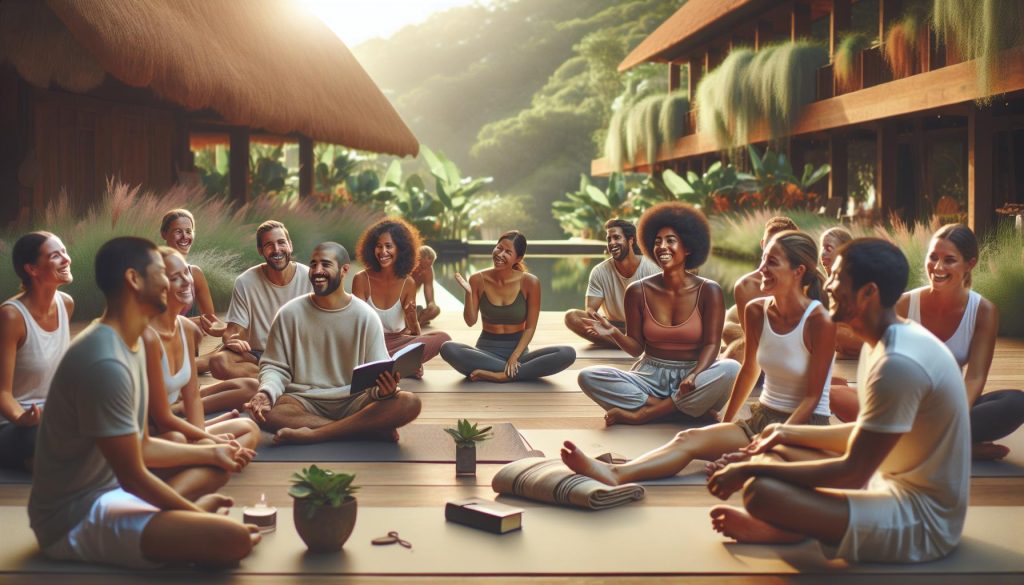
To cultivate this sense of community, it’s vital to provide opportunities for participants to connect on a deeper level. Organizing small group discussions or interactive workshops allows individuals to share their intentions and experiences openly. Such activities can help break down barriers, promoting trust and camaraderie among participants. Moreover, incorporating rituals like sharing circles or guided meditations can enhance this sense of togetherness, creating memorable bonding moments that resonate well beyond the retreat.
Another pivotal aspect of community-building is the active involvement of participants. When individuals feel empowered to contribute-by leading a class, sharing a talent, or simply assisting in organizing activities-they develop a sense of ownership and commitment to the retreat. Celebrating communal achievements, like group yoga sessions or collective mindfulness practices, can amplify this feeling, reinforcing a shared journey that encourages participants to return, not just as guests, but as integral members of the tribe.
Finally, it is essential to acknowledge and celebrate diversity within the community. Each participant brings a unique story and perspective that enriches the group experience. By embracing these differences and creating an inclusive environment, you foster an atmosphere where everyone feels valued and understood, paving the way for deeper connections and a thriving community spirit.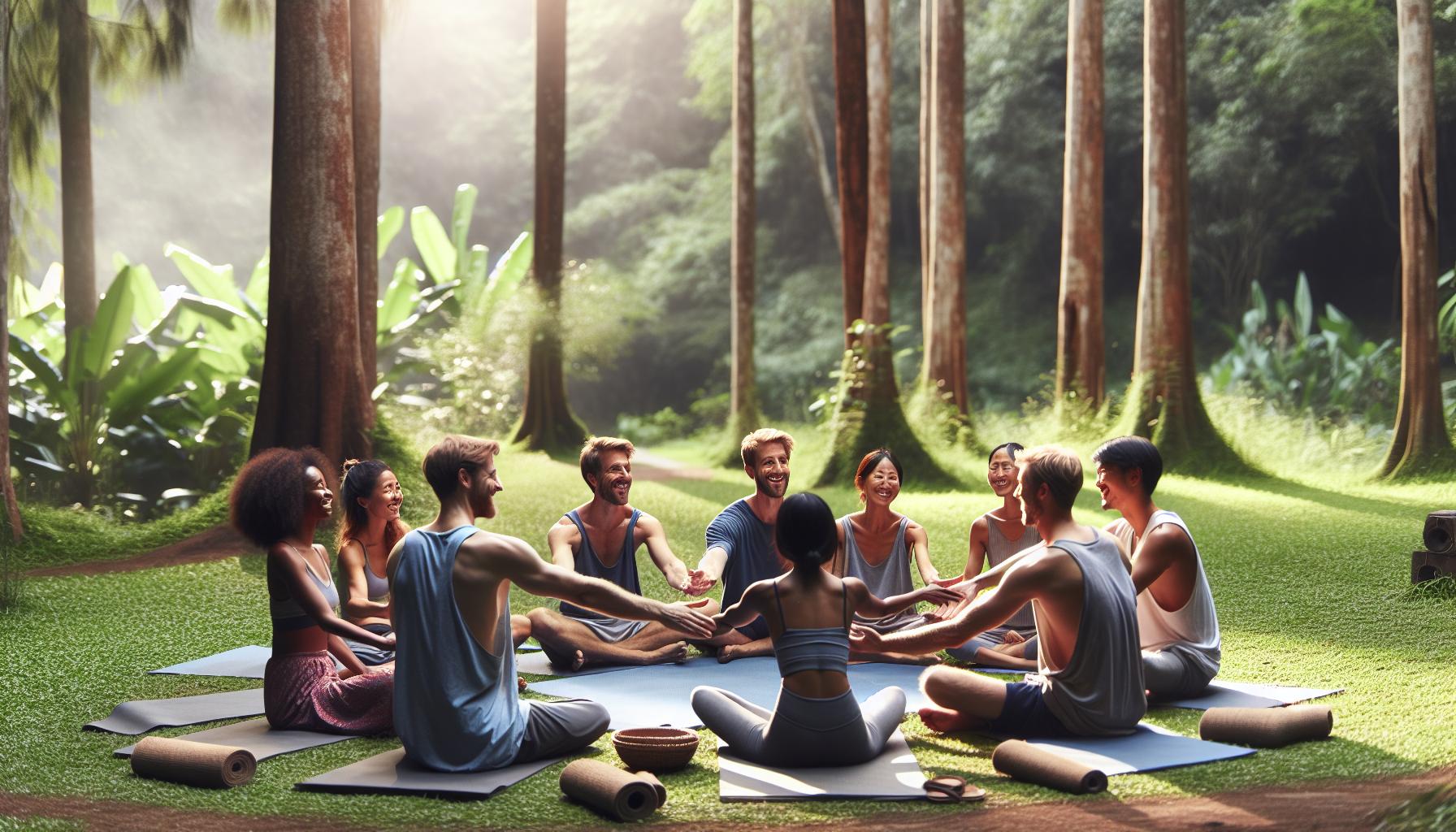
Essential Elements for a Thriving Retreat Community
Creating a thriving retreat community is akin to nurturing a garden; it requires the right conditions, intentional care, and a collaborative spirit to flourish. When individuals come together in pursuit of wellness, self-discovery, or relaxation, specific elements can be integrated into the retreat experience to enhance connection and collective growth.
One of the crucial factors in fostering a healthy community is open and inclusive communication. Encouraging participants to share their personal journeys not only fosters trust but also helps them feel heard and valued. Regularly organized sharing circles or discussion groups can prompt deeper conversations and allow participants to relate to one another’s experiences. This practice not only uplifts individuals but enriches the entire community with diverse insights and perspectives.
Acts of contribution from participants are another essential element. Allowing attendees to engage actively, whether through leading classes, sharing personal stories, or contributing to group activities, cultivates ownership and commitment to the community. Recognizing these contributions in a supportive environment can build a sense of belonging. For instance, spotlighting a participant’s achievement or unique skill during a communal moment can create a ripple effect of encouragement and inspire others to participate more fully.
Moreover, designing activities that emphasize collaboration can be instrumental in strengthening bonds within the community. Engaging experiences, such as partner yoga sessions, group meditation, or team-building exercises, allow individuals to connect over shared activities, thus enhancing camaraderie. By structuring these events thoughtfully, participants can forge lasting friendships that extend beyond the retreat.
Lastly, fostering an atmosphere of celebration of diversity enriches the community experience. Each participant brings unique flavors to the mix, and by honoring this diversity, you create an inclusive environment where everyone feels welcome. Activities that highlight diverse practices or traditions can further enhance the sense of unity within the community while respecting individual backgrounds.
By integrating these essential elements into your yoga retreat, you can cultivate a vibrant, supportive, and engaged community that embodies the true spirit of collective well-being. This not only transforms the retreat experience into a memorable and impactful journey but also lays the groundwork for lasting connections that participants will cherish long after the retreat concludes.
Finding and Attracting Your Ideal Audience
Attracting the right audience to your yoga retreat is fundamental to building a vibrant and engaged community. The ideal participants are those who resonate with your vision, values, and the experience you offer. To find these individuals, a strategic approach is essential, starting with a clear definition of your target demographic. Consider aspects such as age, interests, and level of yoga practice. This clarity sharpens your marketing efforts and aids in crafting messaging that speaks directly to potential attendees.
Define Your Unique Selling Proposition
Your retreat’s unique qualities set it apart from countless others. Whether it’s a specific yoga style, a breathtaking location, or an additional wellness component such as meditation or hiking, highlight these attributes in your outreach. Create compelling content that tells the story of what participants will gain-the transformative experiences, personal growth opportunities, and connections that await them. Engaging storytelling can captivate your audience and draw in those who are genuinely interested.
Utilize Targeted Marketing Strategies
Once you’ve defined your audience and unique offerings, leverage various marketing platforms to reach them effectively. Utilize social media channels like Instagram and Facebook to create engaging posts, stories, and ads that showcase your retreat. Connect with relevant online communities and forums focused on yoga and wellness, and consider collaborations with yoga instructors or wellness influencers who share your vision. Utilizing email newsletters can also keep potential participants informed and create anticipation for upcoming retreats.
Cultivate an Authentic Presence
Building trust is crucial in creating lasting relationships with your audience. Maintain an authentic presence by sharing your personal journey, experiences, and insights related to yoga and wellness. Encourage interaction through Q&A sessions, live streams, or behind-the-scenes glimpses into the planning and execution of your retreats. This transparency fosters a connection with your audience, making them feel like they are part of a shared journey even before they attend your retreat.
Create Engaging Content
Offer valuable content that resonates with your target audience’s interests. This can include blog posts, videos, or webinars on topics such as yoga techniques, mindfulness practices, and wellness tips. By providing this type of content, you position yourself as an expert and create meaningful engagement, helping to attract individuals who are not just interested in retreat experiences but are also aligned with your philosophy.
By implementing these strategies, you can effectively find and attract your ideal audience, setting the stage for a successful yoga retreat that lays the foundation for a thriving community. A targeted approach ensures that your participants are not only interested in yoga but are also ready to engage, grow, and connect with others throughout their experience.
Effective Communication Strategies for Building Connection
Effective communication is the backbone of any thriving community, especially in the context of yoga retreats, where participants often seek both connection and personal growth. Establishing a culture of open and authentic dialogue not only enhances relationships among participants but also reinforces the values and ethos of the retreat itself. To cultivate this, consider implementing a series of strategies aimed at fostering a sense of belonging and understanding among attendees.
One effective approach is to create structured opportunities for sharing. This can take the form of group discussions, where participants are encouraged to express their intentions for the retreat and share their personal journeys. Such activities can be facilitated through guided discussions or ice-breaking games that allow participants to learn about each other in a relaxed environment. Encouraging storytelling can help weave strong interpersonal connections, building camaraderie and empathy among participants.
Another critical strategy involves leveraging digital platforms for ongoing engagement. Organize webinars, virtual meetups, or social media groups where attendees can connect before, during, and after the retreat. These platforms remain crucial for discussions, sharing resources, and continuing the conversation long after the physical retreat has ended. This proactivity helps in maintaining connections and lays the groundwork for a sustained community dynamic.
Additionally, creating a space for feedback is essential to ensure participants feel heard and valued. Implement anonymous surveys post-retreat to gauge what worked well and what could be improved. Acknowledging participant feedback and making adjustments for future retreats not only shows that you care about their experience but also fosters trust and strengthens the community bond.
Finally, utilize visual storytelling through photos, videos, and social media highlights of your retreats to showcase the community in action. By capturing authentic moments of connection and sharing them, you invite others into your community’s journey, making it more accessible and relatable to potential participants. This not only helps in building anticipation for future events but also illustrates the vibrant connections that can grow from your retreats.
With these communication strategies in place, you create an enriching environment that fosters connection, encourages participation, and ultimately enhances the overall retreat experience, transforming it into a cohesive community that resonates well beyond the event itself.
Creating Supportive Environments for Retreat Participants
Creating a welcoming environment is paramount for fostering a sense of community during yoga retreats. Retreat participants often embark on their journeys with a deep desire for connection and transformation, making it essential to create spaces that reflect safety, openness, and mutual respect. When participants feel secure and engaged, they become more likely to share their thoughts, feelings, and experiences, deepening the overall retreat experience.
One effective way to cultivate a supportive environment is through intentional design of physical spaces. Use natural light, comfortable seating arrangements, and calming decor to create inviting areas for practice, meditation, and relaxation. Incorporate elements of nature, such as indoor plants or outdoor spaces, to enhance well-being and promote a sense of tranquility. Aspects like a communal dining area can encourage participants to bond over shared meals, facilitating organic conversations and connections.
Establishing clear community guidelines is also crucial. At the beginning of the retreat, dedicate time to discuss the values of respect, inclusivity, and confidentiality. Encourage participants to share their concerns or boundaries respectfully. By setting these expectations early on, you create a culture of trust that empowers individuals to engage fully without the fear of judgment.
Engaging activities that encourage participation and collaboration can further strengthen the community fabric. Offer workshops on themes that resonate with the participants, such as mindfulness, self-care, or creative expression. Activities like group yoga sessions, sharing circles, or team-building exercises not only build trust but also enhance interpersonal bonds. Additionally, providing opportunities for participants to share their skills or interests, such as art therapy sessions or cooking classes, can foster a sense of ownership and belonging within the group.
To ensure lasting support beyond the retreat, consider implementing a buddy system or mentorship framework. Pairing participants can create a network of support that encourages continued connection after the retreat ends. Regular follow-ups through online platforms or social media can serve as a reminder of the shared experience, transforming retreat participants into a lifelong community. By thoughtfully crafting environments and experiences that prioritize connection and support, you lay a solid foundation for a vibrant yoga retreat tribe.
Engaging Activities that Foster Community Ties
Engaging in activities that foster community ties during yoga retreats not only enhances the overall experience but also cultivates lasting connections among participants. These shared experiences create the social glue that binds individuals together, allowing them to feel more involved and invested in the collective journey. By incorporating a variety of exercises and activities tailored to the group’s interests, retreat organizers can create a dynamic atmosphere where participants feel valued and connected.
One powerful approach is to include workshops focused on relevant themes like mindfulness, self-care, or personal growth. For example, a workshop on mindfulness could introduce practices such as guided meditation or mindful eating, providing participants the opportunity to explore new techniques together. Group yoga sessions can further enhance this experience by blending different styles and skill levels, promoting inclusivity and collaborative spirit. Activities that encourage storytelling, like sharing circles, allow participants to express their personal journeys and insights, which can lead to deeper understanding and solidarity among the group.
In addition to structured workshops, informal gatherings serve as vital platforms for connection. Organizing communal meals enables participants to bond over shared culinary experiences. Creating opportunities for skill-sharing, where individuals lead workshops based on their expertise-be it art therapy, dance, or cooking demonstrations-can also empower participants and reinforce their sense of belonging. Such interactions not only enrich learning but also encourage participants to invest in one another’s growth, fostering a culture of mutual support.
Integrating outdoor activities can enhance the connection between participants and nature, as well as each other. Group hikes, beach outings, or nature walks allow participants to share experiences outside the typical retreat schedule, reinforcing bonds formed in the initial activities. Coupling these excursions with moments for reflection can deepen the community’s understanding of their shared experiences, creating a rich tapestry of memories that strengthen their ties long after the retreat concludes.
By thoughtfully incorporating engaging activities that prioritize community building, organizers can create impactful and transformative experiences that resonate well beyond the retreat, nurturing a vibrant, supportive tribe that continues to thrive together.
Leveraging Social Media to Build Your Tribe
In today’s digital age, social media serves as a powerful tool for building and nurturing communities, especially in the realm of yoga retreats. Utilizing platforms like Instagram, Facebook, and Pinterest allows yoga retreat organizers to not only showcase their offerings but also connect deeply with potential participants, creating a vibrant online community that can extend into the physical realm of retreats.
To effectively leverage social media, it’s essential to curate content that resonates with your target audience. This can be achieved by posting engaging visuals of past retreats, including captivating yoga poses, serene natural backdrops, and group activities that highlight community bonding. Sharing testimonials, stories, and experiences from previous participants further humanizes your brand and establishes authenticity. Consider using Instagram Stories or Facebook Live sessions to give potential attendees a behind-the-scenes look at what to expect from a retreat, fostering excitement and curiosity.
Building Online Interaction
Encouraging interaction is pivotal for cultivating a sense of community online. Creating dedicated hashtags for your retreats can help participants share their experiences and connect with one another prior to the event. Organizing virtual events, such as live yoga sessions or Q&A forums on platforms like Zoom or Instagram, can also enhance interaction. These not only promote your retreat but provide a taste of the community spirit that attendees can anticipate, encouraging them to engage with each other and fostering relationships before they even arrive.
Moreover, regular engagement through polls, questions, and discussion prompts can spark conversations and create a more inclusive environment. Encourage followers to share their intentions for their practice or what they hope to gain from a retreat experience. These engagements not only enrich your social media presence but also provide valuable insights into what your community desires.
Sustaining Connection Post-Retreat
Once the retreat concludes, maintaining the momentum of your online community is vital for fostering long-term relationships. Create a private group on Facebook or a dedicated space on a platform like Slack or Discord where participants can continue their discussions, share experiences, and stay connected. Regular updates, check-ins, or themed discussions can help sustain interest and engagement, turning one-time participants into lifelong members of your retreat tribe.
In summary, leveraging social media effectively is not just about marketing; it’s about building genuine connections and fostering a dedicated community around your yoga retreats. By focusing on engaging content, facilitating interaction, and maintaining connections post-retreat, you can cultivate a vibrant tribe that thrives both online and offline.
Sustaining Engagement Beyond the Retreat Experience
To cultivate a lasting community beyond the finishing touches of a yoga retreat, it is essential to focus on creating ongoing engagement strategies that resonate with participants. Many attendees seek not just the occasional getaway but an enduring connection to the people and practices that enriched their experience. By implementing a few thoughtful approaches, retreat organizers can foster a vibrant community that thrives long after everyone has left the mat.
One of the most effective methods of maintaining connection is through the establishment of dedicated online spaces. Creating private groups on platforms such as Facebook or using community apps like Slack allows participants to share their journeys, maintain friendships, and provide each other with ongoing support. Regularly scheduled theme days, like “Mindful Mondays” where community members can share their insights on mindfulness practices, or “Throwback Thursdays” featuring reflections from the retreat, can encourage active participation. This interaction provides a sense of belonging and keeps the spirit of the retreat alive.
Additionally, consider organizing virtual follow-up events, such as guided meditation sessions or interactive workshops led by retreat facilitators. These can serve not only as a means of nurturing the community but also as a way to extend the teachings from the retreat into daily life. Engaging participants in planning these events can further empower them, making them feel invested and valued within the community. It’s crucial to gather feedback through polls or surveys to tailor future activities to the participants’ preferences, ensuring sustained interest and relevance.
Moreover, encouraging participants to share their wellness journeys on social media can significantly enhance community ties. Establishing a unique hashtag for your retreat can inspire attendees to post updates, photos, and insights, fostering a sense of interconnectivity. Highlighting their journeys through group newsletters or spotlight features can foster recognition, making participants feel seen and appreciated, thus reinforcing their ties to the retreat community.
Ultimately, the key to sustaining engagement lies in creating multiple touchpoints for connection, whether through digital platforms or ongoing activities. By prioritizing communication and facilitating shared experiences, organizers can turn a one-time retreat experience into a lifelong journey of community and growth.
Collaborative Partnerships: Growing Together
Collaborating with like-minded organizations can significantly amplify the impact of your yoga retreat community, allowing for the sharing of resources, expertise, and networks. Building partnerships with businesses that align with your mission-such as wellness centers, health food cafes, local artisans, and even travel agencies-can provide mutual benefits and enhance the retreat experience for participants. For example, partnering with a nearby organic farm can enrich your culinary offerings during retreats by incorporating fresh, locally-sourced ingredients, creating a shared commitment to sustainability that resonates deeply with your community members.
Establishing strong relationships with local businesses also supports the economy and creates a sense of community connection that extends beyond the retreat itself. This could involve organizing community events or workshops that feature local products, services, or talents. By collaborating with local yoga instructors, nutritionists, or wellness coaches, you can broaden the range of offerings in your programs, providing comprehensive wellness experiences that meet the diverse needs of your participants.
Additionally, consider facilitating co-hosted events with these partners post-retreat, such as themed yoga classes, cooking workshops, or wellness fairs. These events not only keep the momentum alive but also allow participants to engage with your community in physical spaces where they can further bond and learn from each other. This strategy creates an atmosphere of support and friendship that can transform participants into lifelong members of the community.
Moreover, effective collaboration can be bolstered through collective marketing efforts. Join forces to promote retreats, workshops, and special events through each partner’s channels, including social media, newsletters, and local advertisements. This strengthens visibility for both your retreat and your partners, drawing in a wider audience and enhancing the value provided to participants. The committees can create shared goals to track engagement and attendance, ensuring each collaborative effort leads to success and fosters ongoing relationships. Regularly reviewing these partnerships allows for adjustments and adaptations, ensuring they remain relevant and beneficial over time.
Measuring Success: Key Metrics for Community Development
Understanding how to measure success in community development for yoga retreats is pivotal for creating a thriving environment where participants feel connected and valued. A well-rounded approach to evaluation involves a variety of metrics that can help identify the strengths and areas for improvement within your community.
One of the most effective ways to gauge community success is through participant feedback. Implementing post-retreat surveys can provide insights into attendees’ experiences, allowing you to assess aspects such as the quality of sessions, overall satisfaction, and perceived value. Questions could focus on specific components like workshop effectiveness or group dynamics, enabling targeted enhancements. Additionally, tracking repeat attendance is essential-high numbers of returning participants can indicate the strength of community bonds and overall program attractiveness.
Engagement levels are another critical metric. You can analyze attendance rates at events, participation in discussions and classes, and interactions on social media platforms. For instance, measuring likes, comments, and shares across your channels can highlight what resonates most with your audience. Additionally, developing a loyalty program or incentivizing active participation can help you cultivate deeper relationships and maintain ongoing engagement.
Lastly, consider establishing qualitative metrics through community storytelling. Encourage participants to share their personal journeys and transformations post-retreat. Highlighting individual stories on your website or social platforms not only celebrates their achievements but also showcases the community’s impact, forging a stronger connection with prospective attendees. By blending quantitative data with qualitative narratives, you can create a comprehensive picture that reflects your retreat’s success and effectiveness in building a vibrant community.
Transforming Participants into Lifelong Community Members
Building a community where participants feel a lasting connection is essential for the ongoing success of yoga retreats. Transforming transient attendees into lifelong community members requires intentional effort, empathy, and ongoing engagement after the retreat concludes. Research shows that community bonds foster loyalty, and loyalty leads to repeat attendance, word-of-mouth referrals, and a vibrant collective spirit that enhances everyone’s experience.
One crucial strategy is to create opportunities for continuous engagement. Utilize digital platforms to maintain the connection established during the retreat. This can include:
- Regular Newsletters: Share updates, inspirational stories, and helpful yoga practices through email newsletters that keep the community informed and engaged.
- Private Social Media Groups: Establish a dedicated online space where participants can share their experiences, ask questions, and support each other’s journeys.
- Monthly Virtual Gatherings: Host online yoga classes, Q&A sessions, or workshops to provide a sense of belonging and foster ongoing relationships among community members.
Another effective approach is to implement a mentorship program. Pair seasoned retreat alumni with newcomers to provide guidance and encouragement. This not only enriches the experience for new participants but also reinforces a sense of responsibility and belonging among veteran members. Highlighting participant success stories can also stimulate community connection. Sharing testimonials and transformations on your website or social media not only inspires others but also makes participants feel valued and recognized.
Finally, consider integrating feedback into your community development. Regularly solicit participant input on future activities or their interests-ensuring everyone feels their voice is heard. This practice builds a stronger sense of ownership within the community, making members feel integral to its evolution and encouraging continued participation. By fostering these connections and maintaining engagement, retreat leaders can successfully transform participants into lifelong community members who contribute their energy and enthusiasm back to the group, thus perpetuating a cycle of growth and connection.
Q&A
Q: How can I create a sense of community at a yoga retreat?
A: To foster community at a yoga retreat, incorporate group activities, daily sharing circles, and communal meals. Encourage participants to engage in icebreakers and bonding exercises. Creating a welcoming space promotes connection and trust among attendees, allowing them to feel more at home during their time together.
Q: What are effective activities to build connections among yoga retreat participants?
A: Organize activities such as partner yoga, team-building exercises, and meditation groups. Hosting workshops on personal growth or mindfulness topics can also strengthen bonds. By facilitating these experiences, you encourage participants to share their journeys, fostering a deeper sense of community.
Q: How do social media strategies enhance a yoga retreat community?
A: Leverage social media by creating private groups for retreat participants to share experiences and keep in touch after the event. Regular updates and engagement on platforms can nurture ongoing relationships, allowing your community to thrive long after the retreat has ended.
Q: What are the best ways to sustain engagement after a yoga retreat?
A: To sustain engagement post-retreat, schedule follow-up events such as webinars, online classes, or monthly meetups. Provide ongoing content like newsletters or blogs that offer value and keep the community connected, reinforcing the bonds formed during the retreat.
Q: How do I measure the success of my yoga retreat community?
A: Success can be measured through participant feedback, engagement levels in online platforms, and repeat attendance at events. Collecting data on community interactions and keeping track of members’ progression can provide insights into the health of your yoga retreat tribe.
Q: What are some key principles for building a thriving yoga retreat tribe?
A: Key principles include fostering inclusivity, creating a supportive environment, and promoting open communication. Establish clear values that resonate with your community and encourage collaboration among members to strengthen the group’s foundation.
Q: How can I find my ideal audience for yoga retreats?
A: Identify your ideal audience by defining their demographics, interests, and motivations for attending a yoga retreat. Utilize market research and social media insights to tailor your offerings, ensuring they resonate with the specific needs of your target group.
Q: What role do collaborative partnerships play in community building for yoga retreats?
A: Collaborative partnerships, such as teaming up with local wellness businesses or organizations, can enhance your yoga retreat community by offering shared resources and expanding your reach. This synergy allows for diverse experiences and strengthens the community as participants interact with various partners.
Key Takeaways
Building a vibrant yoga retreat tribe requires dedication and a clear strategy, as you’ve learned in “How Do I Build a Yoga Retreat Tribe: Community Success Secrets.” Now is the time to implement these insights and foster connections that elevate your retreat experience. Don’t wait-take the first step towards nurturing your community today!
For more guidance, explore our comprehensive articles on creating exceptional attendee experiences, and learn how to transform your luxury yoga retreats into unforgettable journeys [[1]]. If you’re curious about overcoming common hurdles in retreat success, check out our secrets to successful yoga retreats, offering actionable tips to boost your confidence and engagement [[2]].
We invite you to continue your journey by subscribing to our newsletter for the latest insights into wellness travel, or visit our resource center for tools that can help you create the perfect retreat. Remember, your community is waiting-start building it today!