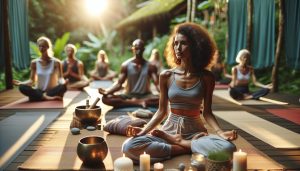
In today’s fast-paced world, many individuals seek a sanctuary where they can reconnect with themselves and rejuvenate their spirits. A yoga retreat offers a perfect solution, providing an immersive experience that blends physical practice with mindfulness and relaxation. These retreats not only enhance physical flexibility and strength but also promote mental clarity and emotional well-being. By stepping away from daily distractions and embracing serene environments, participants can dive deep into self-discovery, foster compassion, and cultivate a sense of community. Whether you’re a seasoned practitioner or just beginning your yoga journey, a retreat can transform your body, mind, and spirit, guiding you toward a more balanced and fulfilled life. Discover the profound benefits that await as you explore what a yoga retreat has to offer.
What is a Yoga Retreat and Its Purpose?
A yoga retreat serves as a transformative escape, offering participants a unique opportunity to delve deep into their practice in tranquil settings. Typically held in serene locations far from the hustle of daily life, these retreats provide an environment conducive to relaxation and self-discovery. The main purpose of a yoga retreat is to foster a greater connection between body, mind, and spirit. Participants engage in yoga sessions, meditation practices, and often holistic workshops, designed not only to enhance physical abilities but also to promote emotional healing and spiritual growth.
During a yoga retreat, the structure encourages individuals to unplug from technology and daily distractions, allowing them to focus inwardly. Whether it’s waking up to sunrise yoga on a beach or enjoying guided meditation in the mountains, the activities are curated to immerse participants in mindful practices. The communal aspect of retreats also plays a significant role in their purpose; they create a supportive environment where like-minded individuals can share experiences, insights, and form lasting connections.
Furthermore, retreats often emphasize the broader concept of wellness that encompasses nutrition, relaxation techniques, and personal development. This comprehensive approach ensures that attendees leave not only with improved yoga skills but also with tools and strategies to incorporate mindfulness into their everyday lives. In essence, a yoga retreat is more than just a getaway-it is an investment in one’s overall well-being, leading participants toward a more balanced and fulfilling life.
Key Benefits of Attending a Yoga Retreat

Attending a yoga retreat offers a wealth of transformative benefits that extend beyond the mat. One of the primary advantages is the opportunity to step away from daily life and engage in an immersive experience designed to deepen your yoga practice. Participants not only enhance their physical skills but also cultivate mental clarity and emotional resilience. This holistic approach contributes to a profound sense of well-being and rejuvenation that is often hard to achieve amidst the distractions of everyday responsibilities.
Another key benefit is the community aspect of retreats, where like-minded individuals come together to share their journeys. This fosters a supportive environment that encourages personal growth and connection. Many attendees form lasting friendships that continue well beyond the retreat, creating a network of support that enhances their yoga journey. Additionally, surrounded by people who share similar values and goals, you can engage in meaningful conversations that deepen your understanding and appreciation of yoga and wellness practices.
Retreats also typically include a variety of activities, such as meditation, healthy cooking classes, and workshops on personal development, which can provide new insights and tools for managing stress and improving mental health. This diverse programming helps attendees connect with their inner selves, explore different aspects of wellness, and learn how to integrate these lessons into their everyday routines. Practicing yoga in a serene environment enhances mindfulness and enables participants to discover the healing benefits of yoga on a deeper level.
Lastly, the transformative journey of attending a yoga retreat serves as a powerful reminder of the importance of self-care. By dedicating time to nurture your body, mind, and spirit, you not only enhance your yoga practice but also equip yourself with the skills needed to maintain a balanced and healthy lifestyle once you return home. The insights gained during a retreat can lead to sustainable lifestyle changes, making the experience truly invaluable for anyone on a wellness journey.
Types of Yoga Retreats: Finding the Right Fit

Exploring the diverse landscape of yoga retreats can be an enlightening endeavor, as each type is designed to cater to unique needs and preferences, ultimately enhancing the overall experience of participants. Whether you’re a seasoned yogi or a beginner, understanding the different types of yoga retreats available can help you choose the perfect one to align with your personal goals and intentions.
Types of Yoga Retreats
Here are some popular types of yoga retreats you might encounter:
- Detox Retreats: These retreats focus on cleansing the body and mind. Participants often engage in juice cleanses and healthy eating while practicing detoxifying yoga styles. Expect workshops on nutrition and holistic approaches to reset your body.
- Yoga and Meditation Retreats: Ideal for those looking to deepen their meditation practice alongside yoga, these retreats blend mindfulness practices with physical postures, providing a holistic experience for mental clarity and inner peace.
- Adventure Yoga Retreats: For the more active participant, these retreats combine traditional yoga sessions with outdoor adventures such as hiking, kayaking, or surfing, allowing you to connect with nature while practicing yoga.
- Luxury Yoga Retreats: Focused on relaxation and pampering, these retreats often take place at high-end resorts and include spa treatments, gourmet meals, and first-class accommodations, all while providing a rich yoga experience.
- Teacher Training Retreats: Aimed at those looking to deepen their practice significantly or become certified instructors, these retreats offer intensive training sessions while immersing participants in a supportive and educational atmosphere.
- Couples Retreats: Designed to strengthen relationships, these retreats offer shared yoga and wellness activities that enhance communication, connection, and intimacy between partners.
Choosing the Right Fit
When selecting a retreat, consider what resonates with your needs and objectives. Do you seek relaxation, personal growth, or a combination of physical challenges with leisure? It’s also beneficial to look at the skill level of the yoga being offered-retreats may cater to beginners, intermediates, or advanced practitioners. Additionally, think about the location, duration, and type of accommodations that best suit your comforts. Ultimately, the right yoga retreat will create an environment that nurtures your body, cultivates your mind, and elevates your spirit, providing you with a rejuvenating escape from daily life.
How a Yoga Retreat Transforms Body and Mind
Immersing oneself in a yoga retreat has the potential to unlock profound transformations in both body and mind. This experiential journey often culminates in a deeper connection to oneself, promoting healing and personal growth that can be difficult to achieve in the distractions of daily life. From the moment participants step into a serene environment designed for introspection and rejuvenation, the stage is set for a make-or-break experience that can shift perspective and enhance overall well-being.
One of the most significant changes participants may observe is a substantial enhancement in physical health. The structured schedule of daily yoga practices encourages not only flexibility and stamina but also fosters a sense of alignment and body awareness. Many retreat attendees report increased energy levels and improved posture, attributed to a consistent practice that reinforces their body’s strength and resilience. Additionally, the nutritional aspects of yoga retreats-often featuring healthy meals and mindful eating workshops-further contribute to physical transformation, promoting better digestion and a more balanced diet.
On a psychological level, the benefits are equally profound. Engaging in deep meditation practices amidst nature’s tranquility can lead to significant mindfulness and stress reduction. This holistic approach encourages introspection, where participants gain insight into their emotional patterns and thought processes. Often, a yoga retreat serves as a catalyst for acknowledging and working through emotional strain, fostering resilience and mental clarity that persists long after the retreat concludes. Through shared experiences and community support, individuals also find an opportunity to build connections that can yield lasting friendships and accountability.
Ultimately, a yoga retreat serves as an oasis for the mind and body, enriching the participants’ journey toward wellness. The combined focus on physical practice, emotional healing, and communal support allows for a comprehensive transformation that empowers individuals to reconnect with themselves and embark on a path of sustained health and happiness.
Essential Elements of a Successful Yoga Retreat
Creating a memorable yoga retreat requires careful attention to a variety of essential elements that cater to the holistic well-being of participants. These retreats thrive on an intentional design that not only emphasizes yoga practice but also fosters deep connections, personal growth, and a sense of community. To cultivate an environment conducive to transformation, several key factors must be considered.
Curated Curriculum
A well-structured schedule is paramount in ensuring a successful retreat. Incorporating a variety of yoga styles, meditation sessions, workshops on nutrition, and personal reflection time gives participants the chance to explore different facets of their practice. This blend allows for both physical engagement and mental relaxation, catering to diverse skill levels and interests. For example, mornings could start with invigorating vinyasa flow sessions, while evenings might focus on restorative yoga or guided meditation.
Nature and Environment
The location of the retreat plays a pivotal role in the overall experience. Emphasizing spaces that connect participants with nature-be it a serene beach, a tranquil forest, or a peaceful mountain retreat-enhances the feeling of escape and rejuvenation. Natural surroundings can inspire mindfulness and provide a backdrop for introspection, leading to deeper emotional relaxation. Creating open areas for practice and quiet zones for meditation helps foster a sense of belonging and tranquility.
Community and Connection
Building a sense of community is crucial to the success of a yoga retreat. Encouraging participants to share their objectives and stories fosters interpersonal connections, creating a supportive environment that can catalyze personal transformation. Group activities such as communal meals, team-building exercises, or sharing circles can reinforce these bonds, allowing for authentic interactions and fostering a sense of solidarity among participants.
Nourishing Food
Diet significantly impacts the physical and emotional well-being of retreat attendees. Offering nutritious, organic meals that consider dietary restrictions (vegan, gluten-free, etc.) not only supports participants’ physical health but can also enhance their mental clarity and energy levels throughout the retreat. Including workshops on mindful eating and meal preparation can further immerse participants in a holistic approach to wellness.
By weaving together these essential elements-curated curriculum, natural settings, community-building, and nourishing food-retreat organizers can create transformative experiences that resonate long after participants return to their daily lives. Engaging with these components ensures that every aspect of the retreat aligns with the overarching goal of fostering holistic health and personal growth.
Preparing for Your Yoga Retreat Experience
Preparing for a yoga retreat can be as transformative as the retreat itself. It offers an opportunity to set intentions, align your body and mind, and create a space for personal growth. Engaging in a bit of pre-retreat preparation can pave the way for deeper experiences during your stay.
Start by clarifying your goals for the retreat. Are you looking to deepen your yoga practice, nurture a sense of community, or simply escape daily stresses? Writing your intentions down can serve as a guiding light throughout your experience. Consider integrating a routine of mindfulness practices, such as meditation or journaling, in the days leading up to the retreat. This practice can help cultivate awareness and openness, preparing you to receive the full benefits of your time away.
Additionally, physical preparation is crucial. Engage in regular yoga sessions to build strength, flexibility, and stamina. This will not only enhance your ability to participate in retreat activities fully but can also help you avoid injury. If your chosen retreat includes intense physical practices, consider gradually increasing your activity level to acclimate your body. Also, focus on nourishing your body with wholesome foods to enhance vitality; this will support your physical endeavors and improve your overall mood.
Logistically, ensure that you have all your crucial items ready. Create a packing list that emphasizes essentials like yoga gear, comfortable clothing, and personal items that promote relaxation, such as essential oils or a favorite book. Don’t forget to include any necessary dietary supplements if you’re maintaining specific wellness routines. A slightly lighter emotional and physical load will allow you to immerse more fully in the retreat experience.
Lastly, mentally prepare for the transition from your regular routine to the retreat environment. Allow yourself to disconnect from daily distractions, anticipate a shift in pace, and embrace the opportunities for self-discovery and rejuvenation. With these preparations in place, you’ll be equipped to make the most of your yoga retreat and emerge transformed-body, mind, and spirit.
What to Expect: Daily Schedule and Activities
Attending a yoga retreat can offer a refreshing break from daily routines and the opportunity to rejuvenate both body and spirit. Daily schedules typically blend various activities that promote physical wellness, mental clarity, and communal bonding. Whether you’re on a beachside retreat or tucked away in the mountains, understanding what to expect can enhance your overall experience.
A typical day at a yoga retreat often begins early to capitalize on the peaceful morning hours. Many schedules include a morning yoga session, which may span from 60 to 90 minutes. This session is designed to awaken the body and prepare it for the day ahead. Following yoga, a nourishing breakfast is usually served, featuring healthy, locally sourced ingredients that align with the retreat’s wellness philosophy.
Daily Structure
Throughout the day, participants can expect a variety of activities that might include:
- Workshops and Classes: These could focus on different aspects of yoga, meditation techniques, or wellness practices like Ayurveda.
- Personal Reflection Time: Some retreats build in moments for journaling or meditation, allowing attendees to process their experiences.
- Outdoor Activities: Depending on the location, this may include hiking, swimming, or exploring nature to enhance the connection with the environment.
- Evening Sessions: Many retreats culminate in gentle evening yoga or meditation sessions to promote relaxation before bedtime.
The meals served throughout the day are an essential part of the retreat. They are often designed to be both delicious and nutritious, ensuring that you feel energized and nourished. Meal times can also serve as opportunities for communal bonding, fostering connections among participants.
In essence, each day at a yoga retreat is crafted to enhance your sense of well-being and encourage personal growth. With a combination of structured activities, personal time, and communal experiences, you can expect to leave the retreat not just feeling rejuvenated, but also with deeper insights about yourself and your practice.
Choosing the Perfect Destination for Your Retreat
When selecting the ideal location for your yoga retreat, consider how the environment will influence your overall experience. The right destination can serve as a sanctuary, enhancing relaxation and promoting spiritual awakening. Destinations ranging from serene beaches to lush mountains each offer unique atmospheres that may resonate differently with your intentions for the retreat. Factors such as climate, scenery, and local culture play a crucial role in connecting you with your practice in a meaningful way.
Key Factors to Consider
Begin by identifying what you hope to achieve during your retreat. For example, a coastal retreat might provide a calming backdrop for meditation and surf-inspired yoga sessions, while a mountain escape could inspire invigorating hikes and grounding practices. Here are a few critical aspects to think about:
- Environment: Look for locations with natural beauty that resonates with you, whether it’s a tropical paradise, a tranquil forest, or a vibrant city. Nature can significantly enhance the meditative experience.
- Accessibility: Ensure the location is easily reachable, with convenient transport options. A getaway that requires minimal travel stress can contribute to a more enjoyable experience.
- Community and Culture: Research the local culture and community to ensure that it aligns with your expectations. Engaging with local traditions and practices can enrich your retreat experience.
- Available Amenities: Consider the accommodation and facilities. Look for places that offer comfortable lodging, healthy dining options, and spaces conducive to yoga practice.
Ultimately, the perfect destination for your yoga retreat should foster a sense of peace, allowing you to dive deeply into your practice while also connecting with fellow participants and the surrounding environment. Whether you are drawn to the tranquil beaches of Costa Rica or the serene mountains of Bali, selecting the right backdrop will contribute significantly to your transformative journey.
What to Pack for Your Yoga Retreat
Packing for a yoga retreat goes beyond merely stuffing your favorite outfits into a suitcase; it’s about curating a selection of items that support your practice, aid in relaxation, and enhance your overall experience. Notably, an efficient and mindful packing strategy can help you transition smoothly into the retreat atmosphere, allowing you to focus on your body, mind, and spirit.
To start, consider essential yoga gear. Bring a quality yoga mat that suits your practice style-travel-ready mats are lightweight and easy to carry, while traditional mats offer more stability if space allows. Don’t forget accessories like blocks, straps, and a yoga towel for those sweaty sessions. But beyond equipment, your clothing is crucial; pack breathable, comfortable attire that allows movement, such as leggings, tank tops, or loose-fitting clothes. A light jacket or wrap can also be beneficial for cooler evenings or early morning practices.
Besides fitness gear, think about personal care items to support your wellness journey. A basic toiletries kit should include eco-friendly products-consider using refillable containers for shampoo, conditioner, and body wash to minimize waste. Essential oils, a journal for reflections, and a reusable water bottle are also handy items that contribute to self-care and mindfulness while you retreat. Additionally, packing a few personal touches like a favorite book or a small item that brings you comfort can create a sense of familiarity in a new environment.
Finally, it’s crucial to pack your mental tools. Whether it’s a meditation cushion, a daily affirmation card deck, or even your preferred playlist for relaxation or energy, having these items can deepen your experience and keep you centered. Make sure all your packed items reflect your personal journey and intentions for the retreat, ensuring you immerse yourself fully in this transformative experience. Creating a checklist based on this comprehensive approach will help you stay organized, ensuring that you arrive prepared and ready to embark on a fulfilling journey.
Maintaining Wellness Routines While Traveling
While traveling, it can be challenging to maintain the wellness routines that you cultivate at home. However, integrating simple practices into your journey can help you sustain your mental and physical health, allowing you to enjoy the transformative potential of a yoga retreat fully. Start by setting realistic daily goals: whether it’s a short meditation session, a few rounds of sun salutations, or journaling about your experiences, committing to these practices can create a sense of continuity and grounding amidst the disruption of travel.
To effortlessly weave wellness into your travels, consider establishing a morning routine. This could include gentle stretching or yoga practices that require minimal space and equipment, such as a travel mat or even a towel. A brief, mindful walk through your retreat’s environment can also enhance your connection to nature and provide energy for the day ahead. Pairing these physical activities with breathwork or meditation can further deepen your experience, helping to calm your mind and set a positive tone for the day.
Staying mindful of your nutrition can also play a significant role in maintaining wellness while traveling. Packing healthy snacks like nuts, dried fruit, or protein bars can keep your energy levels stable, particularly during long days of activities. Additionally, when dining options are available, seek out meals that are rich in whole foods, such as fruits, vegetables, and lean proteins, to help nourish your body and mind. Staying hydrated is equally crucial; carrying a reusable water bottle helps track your intake and reduces plastic waste, ensuring you remain refreshed and alert throughout your retreat.
Finally, it’s essential to embrace adaptability. While it’s fantastic to have a plan for your wellness routines, flexibility can allow you to fully engage with spontaneous opportunities that arise during your retreat. If an impromptu group activity catches your interest, or if you find a serene corner to enjoy quiet reflection, approach these moments with openness. By blending your established routines with the unique experiences that each new day offers, you can create a richer and more fulfilling journey toward transformation.
Testimonials: Personal Transformations from Retreats
Amidst the growing interest in wellness travel, personal stories from yoga retreat participants shed light on the profound transformations these experiences can provide. Many attendees find themselves stepping onto the mat not just to enhance their physical practice but to navigate life’s deeper challenges. These retreats become a sanctuary where individuals can reconnect with their inner selves, forge new friendships, and rediscover a sense of purpose.
One participant, Sarah, shared her journey of emotional awakening during a week-long retreat in Costa Rica. Battling anxiety and feeling disconnected from her daily life, she found solace in the daily sessions that included yoga, meditation, and group discussions. “It was an opportunity to let go of everything I had been holding onto,” she recalled. The serene backdrop of the jungle and ocean allowed her to engage deeply with her practice, leading to moments of clarity that transformed her perspective. By the end of the retreat, she felt empowered to set boundaries in her personal and professional life, ultimately leading to more balanced relationships.
Another retreat-goer, Mark, attested to the physical and mental benefits he experienced after participating in a retreat focused on detoxification and fitness. He arrived frustrated with his fitness routine and feeling stagnant. Throughout the retreat, invigorating yoga sessions combined with healthy meals and guided activities inspired him. He stated, “I left with a renewed passion for fitness and a clearer mind. The community support was incredible, and I felt a sense of accountability that I carried back home.” Mark’s story exemplifies how a yoga retreat can not only enhance physical health but also inspire participants to maintain healthier lifestyles after the experience.
For many, the real power of yoga retreats lies in the community that forms amongst participants. This sharing of experiences often leads to deep, lasting friendships. Attendees frequently express how bonding over shared practices allows for vulnerability and growth, creating a supportive environment conducive to personal transformation. Participants consistently note that the connections they make extend beyond the retreat, fostering ongoing support and encouragement as they pursue their individual journeys even after returning home.
In conclusion, personal transformations from yoga retreats often manifest through physical improvements, emotional releases, and the formation of supportive networks, illustrating the multifaceted benefits of immersing oneself in a dedicated practice away from everyday distractions. Whether it’s through detoxification, emotional healing, or building community, the profound impacts are felt long after the last yoga class ends.
How to Plan Your Own Yoga Retreat Event
Planning a yoga retreat can be a transformative and rewarding endeavor, not just for participants but also for organizers. The success of a retreat hinges on careful planning, attention to detail, and a clear understanding of what you want to offer. Start by identifying your vision-what themes do you wish to incorporate? Whether it’s relaxation, detoxification, or personal growth, a well-defined purpose will guide all subsequent decisions.
Essential Steps for Planning Your Retreat
To create an impactful experience, consider the following steps:
- Choose a Suitable Location: Your destination should resonate with your retreat theme. Look for places that offer a serene environment, such as beach resorts, mountain lodges, or peaceful countryside venues. The ambiance plays a critical role in setting the tone.
- Develop a Comprehensive Itinerary: Outline daily activities that balance yoga sessions with opportunities for relaxation and exploration. Consider including various practices like meditation, nature walks, or workshops that align with your objectives.
- Determine Budget and Pricing: Calculate costs for accommodation, meals, and activities, and decide on a pricing model that ensures you cover expenses while remaining appealing to attendees. Setting clear financial expectations helps manage both your budget and participants’ willingness to pay.
- Market Your Retreat: Use social media, email newsletters, and local yoga studios to promote your event. Share testimonials from past participants if applicable, and create engaging content that showcases what makes your retreat unique.
- Foster a Community Atmosphere: Encourage participants to connect before the retreat through social media groups or pre-retreat calls. Establishing a sense of belonging enhances the experience and facilitates deeper relationships during the event.
Logistics and Considerations
Organization is key-develop a timeline for planning milestones, such as booking the venue, securing guest instructors, and finalizing transportation options. Address dietary restrictions or preferences early in discussions with your venue to ensure all guests feel included and cared for.
As you approach the dates, ensure you have a clear communication plan in place for participants, covering what to bring and what to expect. Provide packing lists, schedule snippets, and guidelines for maintaining wellness routines while traveling.
By thoughtfully planning each aspect of your retreat, you can create an unforgettable experience that nurtures participants’ bodies, minds, and spirits, fostering their journey of transformation.
Frequently asked questions
Q: What does a typical day look like at a yoga retreat?
A: A typical day at a yoga retreat often starts with morning yoga or meditation, followed by breakfast. Activities may include workshops, hikes, or free time for reflection. Lunch and dinner are usually communal, with a focus on healthy, nourishing food, and the day may conclude with evening yoga or group discussions.
Q: How can a yoga retreat improve mental health?
A: A yoga retreat can boost mental health by providing a supportive environment for mindfulness, stress reduction, and self-reflection. Regular yoga practice enhances mood and emotional resilience, while the serene setting encourages relaxation and mental clarity, contributing to overall psychological well-being.
Q: Are yoga retreats suitable for beginners?
A: Yes, yoga retreats are often suitable for beginners. Many retreats cater to all skill levels by offering beginner-friendly classes and experienced instructors who can provide modifications and support. This inclusive approach helps newcomers feel welcomed and capable while exploring their practice.
Q: What should I look for when choosing a yoga retreat?
A: When choosing a yoga retreat, consider the location, style of yoga, instructor qualifications, and the retreat’s schedule. Also, research the accommodations and the type of cuisine offered to ensure it aligns with your preferences. This way, you can select a retreat that fits your goals and comfort level.
Q: How does a yoga retreat facilitate personal transformation?
A: A yoga retreat facilitates personal transformation by immersing participants in a focused environment free from daily distractions. This allows for deep self-exploration, enhanced physical practice, and connection with like-minded individuals, which can lead to significant insights and shifts in perspective.
Q: What can I do to prepare for my first yoga retreat?
A: To prepare for your first yoga retreat, practice some yoga and meditation beforehand to familiarize yourself with the routines. Pack appropriate clothing and personal items, and mentally set intentions for what you hope to gain. Familiarizing yourself with the location can also ease anxiety.
Q: What is the cost range for attending a yoga retreat?
A: The cost of attending a yoga retreat can vary widely, typically ranging from a few hundred to several thousand dollars. Prices often depend on the retreat’s location, duration, accommodations, and amenities. Look for inclusive packages that cover meals and activities for better value.
Q: How can I maintain my wellness routine while traveling for a yoga retreat?
A: To maintain your wellness routine while at a yoga retreat, stay hydrated, eat balanced meals, and incorporate additional stretching or mindfulness practices during free time. Also, set intentions to remain grounded in your routine as you embrace the new setting and activities.
Insights and Conclusions
As you embark on your journey toward transforming your body, mind, and spirit through a yoga retreat, remember that this experience is more than just a getaway; it’s an opportunity to deepen your practice and rejuvenate your soul. Engage with our insightful articles on the benefits of wellness travel and essential tips for planning the perfect retreat to enhance your experience even further. Don’t let this chance slip away-explore our comprehensive resources on maintaining wellness routines while traveling and discover how to create lasting connections with fellow attendees.
Embrace the transformative power of a yoga retreat today! Join our mailing list for updates on upcoming retreats, tips, and exclusive content that will keep you inspired. Ready to take the next step? Check out our guide on selecting the perfect retreat destination tailored to your unique needs or consult our expert tips on creating memorable experiences at your next yoga retreat. Your journey starts now-let’s transform your mind, body, and spirit together!